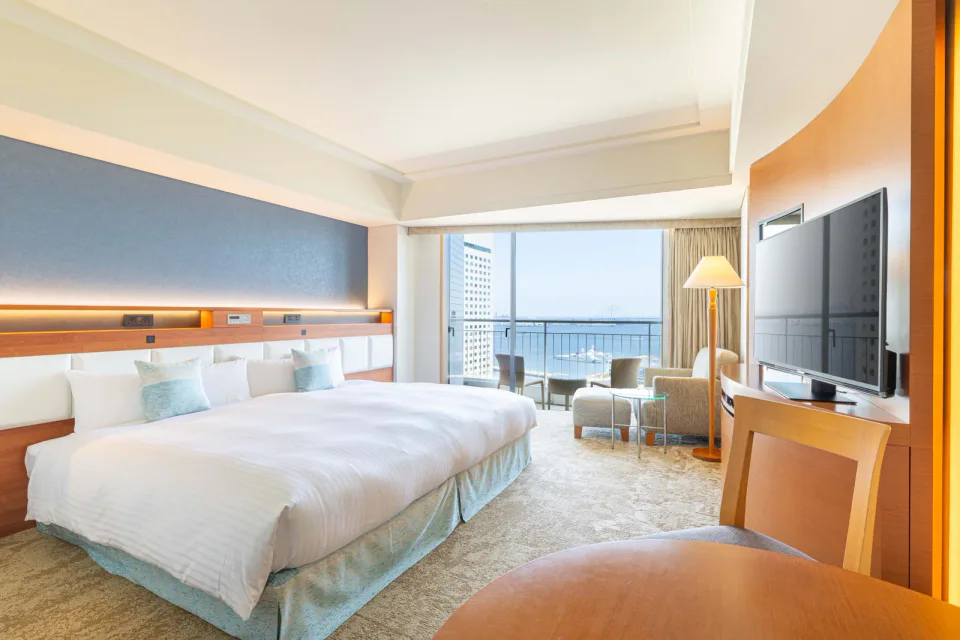
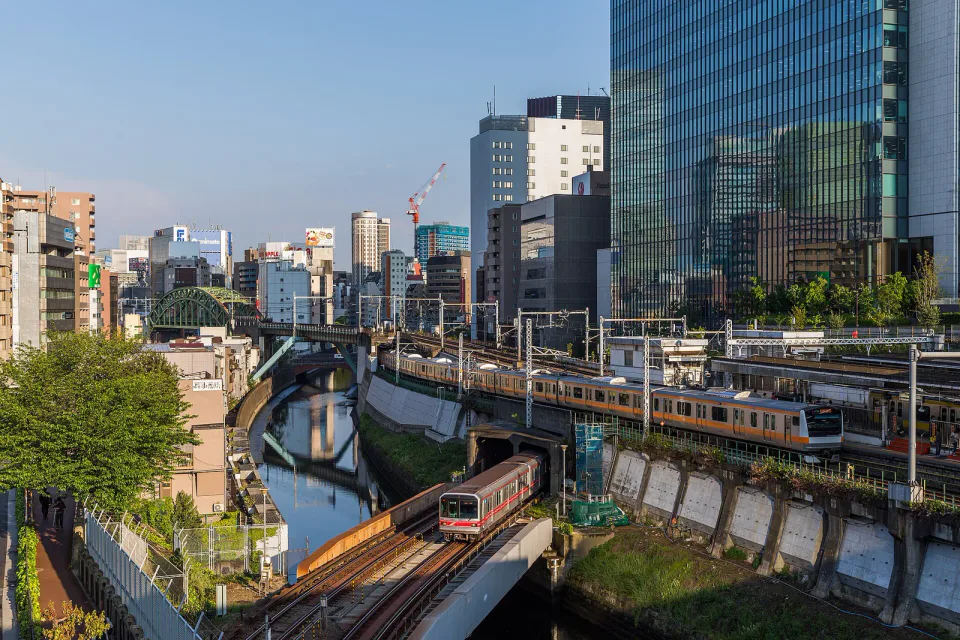
For a two-night stay, choose Yokohama when the harbour is part of the reason for the trip, not merely a half-day excursion. Choose Shinagawa when Tokyo is still the main destination and Yokohama is one side trip inside a wider Japan itinerary. Within Yokohama, choose Yokohama Station when transport, luggage and a Kamakura/Enoshima extension matter more than waking up on the waterfront; choose Minato Mirai when the evening skyline, Red Brick Warehouse, Yamashita Park and a slow harbour morning are themselves worth sleeping beside.
The biggest mistake is splitting two nights simply because Yokohama and Tokyo are different cities. They are close enough that a hotel move usually costs more usable time than it saves. A one-night Yokohama + one-night Shinagawa split only becomes rational when the trip itself moves in one direction—for example, a full Yokohama first day followed by central Tokyo and an early Haneda or Tokaido Shinkansen departure.
Checked August 25, 2026. Yokohama’s official tourism bureau currently describes central Tokyo as roughly 30 minutes from Yokohama and Shin-Yokohama—the Tokaido Shinkansen station—as about 11 minutes from Yokohama Station. Keikyu currently gives Haneda Airport access at roughly 28 minutes to Yokohama and 14 minutes to Shinagawa, depending on the exact service and terminal. These are planning baselines rather than guaranteed door-to-door times.
Yokohama or Tokyo for two nights: the 30-second decision
↔ Scroll table left or right
Your trip shape | Start with | Why | Main catch |
Yokohama harbour + evening + another Kanagawa day | Yokohama Station | One hotel can serve Minato Mirai, Kamakura/Enoshima and Haneda efficiently | You do not wake up directly on the waterfront |
Harbour views, date night, slow waterfront morning | Minato Mirai | The hotel and evening become part of the Yokohama experience | Extra local movement when the next day starts outside the waterfront |
Tokyo dominates; Yokohama is one day trip | Shinagawa | Keep one Tokyo-side base and remove a hotel move | You give up the late Yokohama harbour atmosphere unless you return late |
Early Haneda departure after the stay | Usually Shinagawa, sometimes Yokohama Station | Both have direct Keikyu logic; Shinagawa is faster on the published airport baseline | The exact hotel-to-station walk can outweigh the headline rail difference |
Tokaido Shinkansen next morning | Shinagawa if very early; Yokohama remains viable if timing is relaxed | Shinagawa is itself a Shinkansen stop; Yokohama requires the move to Shin-Yokohama | Do not treat Yokohama as disconnected from the Shinkansen: Shin-Yokohama is close |
First decide whether the two nights are buying a city experience or a logistics base
Two nights are short enough that hotel purpose matters more than hotel prestige. If the room is mainly a place to sleep between Tokyo sightseeing and the next long-distance train, Shinagawa is the cleaner product. If the harbour evening is one of the memories you are deliberately buying, the calculation changes because a Tokyo hotel forces you to leave exactly when Yokohama becomes most atmospheric.
A day visitor can see the Red Brick Warehouse, Chinatown and Minato Mirai. An overnight visitor buys different hours: the waterfront after the day-trip rush, the night skyline, a late dinner without watching the clock, and a quieter morning before moving on.
Those extra hours only matter if you will use them. If your plan is Yokohama from 10:00 to 17:00 and then dinner in Tokyo, staying in Yokohama solves no repeated problem. If the plan is harbour sunset, dinner, night walk and a second Kanagawa day, commuting back to Tokyo creates exactly the friction the hotel should remove.
Yokohama Station is the best default when the two nights contain more than Yokohama
Yokohama Station is the transport-first answer. The city’s official tourism material highlights six rail operators serving the station, which is why it works unusually well for a mixed two-night block: Tokyo in one direction, Haneda on Keikyu, Kamakura and the Shonan coast to the south, and the waterfront on local lines.
This is strongest when luggage is moving with you. A hotel near Yokohama Station lets you check in once, remove the large bags from both sightseeing days and make the next decision with a small day bag. If Day 1 is Yokohama and Day 2 is Kamakura/Enoshima, there is very little strategic value in moving to a second hotel merely to wake up beside the water.
The trade-off is experiential. Yokohama Station has food, shopping and excellent connections, but it does not replace the feeling of sleeping in Minato Mirai. If the waterfront evening is the point of the trip, choose the experience intentionally rather than allowing transport efficiency to dominate every decision.
Minato Mirai is worth it when the hotel changes the hours you can use
Minato Mirai wins when the accommodation extends the sightseeing day. The official tourism bureau describes central Yokohama as compact, and that matters after dark: Minato Mirai, the Red Brick Warehouse and the harbourfront can be linked without turning the evening into another railway project.
For couples, photographers and families who want a slow evening, this can be worth more than shaving several minutes from the next morning. A waterfront room also creates optionality: if a child needs a rest or the weather turns, returning to the hotel does not end the Yokohama day.
But do not buy “Minato Mirai” as a substitute for a specific room. Harbour view, balcony and room size belong to exact categories. If you only return after midnight and leave early, the expensive waterfront room may receive less waking use than a simpler Yokohama Station hotel.
Shinagawa wins when Yokohama is one day inside a Tokyo-led trip
Shinagawa is not the more romantic answer. It is the answer that removes future transfers. If two nights are followed by Kyoto, Osaka or an early Haneda flight, sleeping at a station that handles both the Tokaido Shinkansen and Keikyu can make the departure morning much more resilient.
That does not mean Yokohama is a bad Shinkansen base. Yokohama’s official tourism bureau currently describes Shin-Yokohama as about 11 minutes from Yokohama Station, and Shin-Yokohama has direct Shinkansen services toward Kyoto and Osaka. The right conclusion is narrower: Shinagawa is stronger when the departure is early enough that eliminating the local transfer has high value.
A noon Shinkansen does not justify two nights in Shinagawa by itself if both evenings are meant for Yokohama. Conversely, a very early departure with several large suitcases can make one removed transfer more valuable than an extra harbour night.
Haneda is a tiebreaker, not an automatic reason to sleep in Tokyo
Keikyu currently publishes roughly 28 minutes from Haneda to Yokohama and 14 minutes to Shinagawa on its airport-access guide. That makes Shinagawa clearly faster on the headline rail baseline, but the actual hotel decision is still door to door.
A Yokohama Station hotel with a short, level station walk can beat a Shinagawa hotel that requires a longer final walk with luggage. And if you are already spending both evenings in Yokohama, saving roughly a quarter-hour once on departure may not repay two nights of weaker positioning.
If the flight arrives very late, solve the first night separately with Haneda Late Arrival: Stay at the Airport or Go Into Tokyo?. Do not force one awkward arrival to dictate every subsequent night.
Kamakura and Enoshima are the strongest arguments for keeping the base in Yokohama
Yokohama becomes much more persuasive when the second full day is south of Tokyo. Kamakura’s official tourism information places Yokohama–Kamakura at about 25 minutes by JR Yokosuka Line. That is short enough for a real day trip without changing hotels, and it keeps the luggage in one place.
If the two-night block is really “Yokohama evening + Kamakura/Enoshima day,” Shinagawa is no longer solving the main geography. The useful comparison becomes Kamakura vs Fujisawa: should you keep Yokohama as the regional base, or is Shonan itself important enough to deserve the hotel?
Do not create a chain of one-night stays unless each move changes the hours you can use. Yokohama night one, Kamakura night two and Tokyo night three may look geographically elegant on a map while creating three checkout/check-in cycles in practice.
For two nights, split stays have a very high burden of proof
A split stay costs more than the train ride between hotels. It creates checkout, luggage storage or carriage, a gap before the next room is available, another check-in and another unpacking cycle. On a two-night block, that middle-day interruption can consume a disproportionate share of the trip.
I would split only when the second hotel changes a high-value period. Night 1 in Minato Mirai can protect a harbour evening; Night 2 in Shinagawa can protect a genuinely early Shinkansen or Haneda departure. A move can also make sense when Night 2 is already the start of a longer Tokyo stay rather than a one-night optimisation.
I would not split simply because one hotel has a better view and the other is closer to the station. For only two nights, one stable room usually creates more usable travel time.
Large luggage should push the decision toward the station that matches the next move
With one backpack, changing between Minato Mirai, Yokohama Station and Shinagawa is trivial. With two large suitcases, the hotel-to-platform path becomes part of the product.
If the next overnight is Kyoto or Osaka, Shinagawa can remove one baggage-bearing transfer. If the next day is Kamakura, Enoshima or another Kanagawa stop, Yokohama Station usually keeps the suitcase farther out of the sightseeing day. If the bag itself is driving a hotel change, consider luggage forwarding before reorganising the entire itinerary around it.
A practical two-night sequence
Yokohama-first trip: arrive, stay Yokohama Station or Minato Mirai, use the first evening on the waterfront, spend the second day in Yokohama or Kamakura/Enoshima, then leave from the same hotel on Day 3.
Tokyo-first trip: stay Shinagawa for both nights, make Yokohama a day/evening excursion, and keep the same room if Day 3 is an early Shinkansen or Haneda departure.
Experience-first couple: stay Minato Mirai only if the harbour evening and morning are intentionally protected. If every daytime and evening block is elsewhere, the view is an expensive background.
Final verdict
For two nights, I would choose Yokohama when the harbour plus another Kanagawa experience occupy at least a day and a half. Within Yokohama, use Yokohama Station as the logistics default and Minato Mirai as the experience upgrade. I would choose Shinagawa when Tokyo still dominates and the next high-stakes movement is Haneda or an early Tokaido Shinkansen. I would rarely split the two nights: the move should protect a specific evening or departure window, not merely optimise two different hotel features.
Where to Stay for Kochi Yosakoi: Station, Obiyamachi or Saenbacho
Where to Stay for the Saga Balloon Fiesta 2026: Saga, Tosu or Hakata
Okinawa Shopping Hotels: Chatan or Naha for Your Final Two Nights?
References
Yokohama City Visitors Bureau — current Yokohama, Haneda and Shin-Yokohama access guidance
Keikyu — current Haneda Airport access guidance for Yokohama and Shinagawa
JR Central — current Tokaido Shinkansen station information