
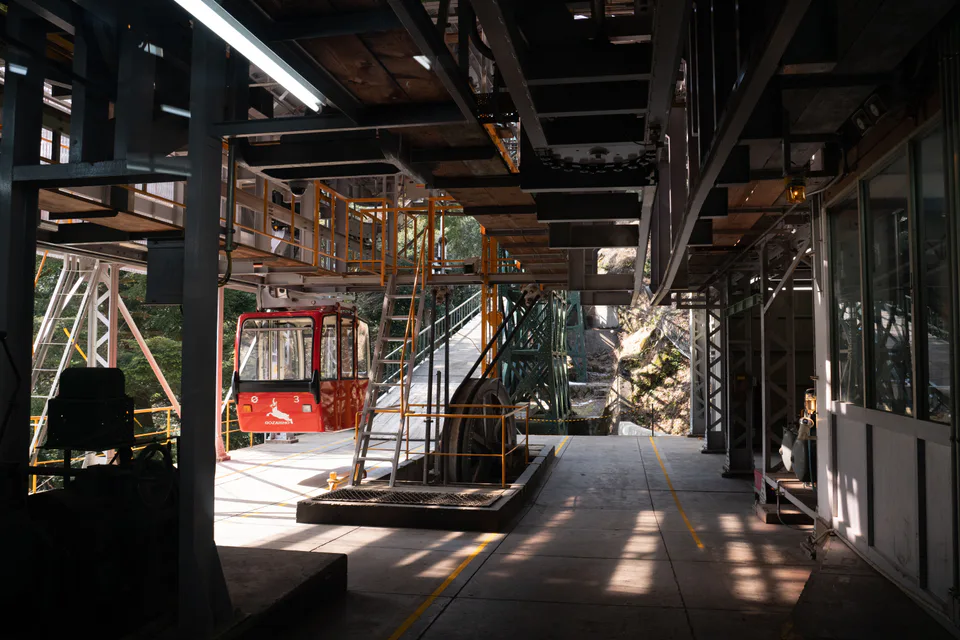
Gozaisho Ropeway is worth a dedicated Nagoya day when the mountain itself is the point of the trip. The adult round trip is ¥2,600 (about US$16), but the ticket is not the main risk: visibility, wind and the elevation of the autumn colour can change what you actually get for the day. My rule is to make the final go/no-go decision from the summit live camera and operating status on the morning itself. If the camera is mostly white and conditions are deteriorating, I would keep the day in Nagoya rather than travel out simply because Gozaisho was written into the itinerary.
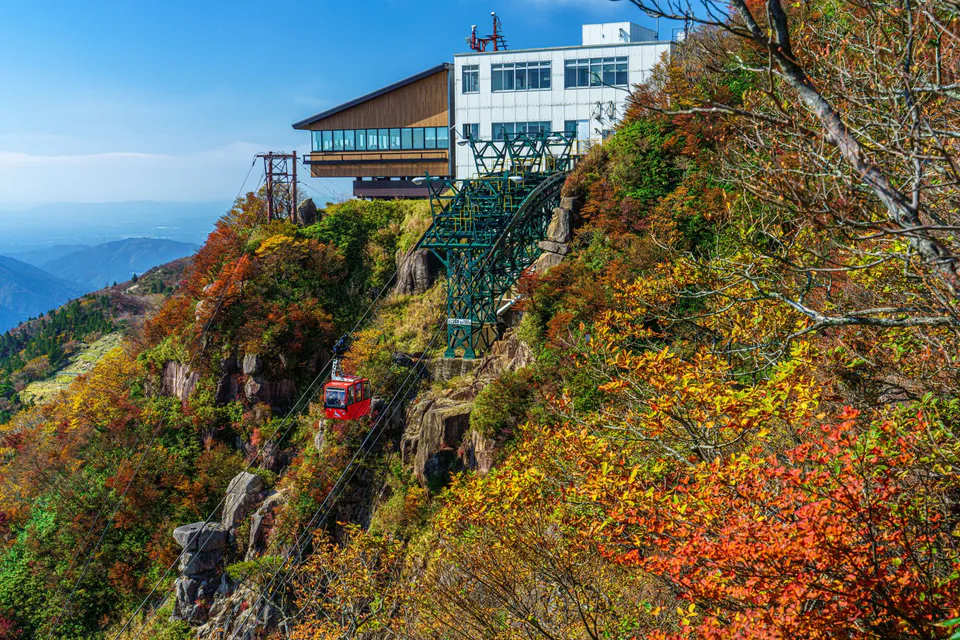
That is especially important in autumn. “Peak leaves at Gozaisho” does not describe one place or one week: the official pattern moves from the summit in mid-to-late October, through mid-mountain from late October to mid-November, then down to the Yunoyama Onsen area in mid-to-late November. The best date therefore depends on which part of the mountain you actually want to see.
ValueNavi decision table: when I would go, delay or skip
↔ Scroll table left or right
Morning condition | My decision | Why |
Clear summit + your target foliage elevation is in season | Go | The mountain, views and seasonal timing are all doing useful work |
Cloud around Nagoya but summit camera is clear | Still consider going | City weather is not a reliable substitute for mountain visibility |
Summit camera is white but forecast is improving | Delay the decision if your schedule allows | The live camera updates every minute during operating hours |
Solid cloud + rising wind / unstable weather | Skip or postpone | You are spending a Nagoya day on both low visibility and higher suspension risk |
One weather-proof day left in a first Nagoya trip | Usually keep the city day | Gozaisho has a much higher weather dependency than an indoor anchor |
If the summit looks poor, a fixed indoor anchor such as the Port of Nagoya Public Aquarium gives you a more resilient use of the day. That is not because the aquarium is “better”; it is because its payoff does not disappear with cloud.
The headline fare is ¥2,600, but the summit itself can add another ¥700
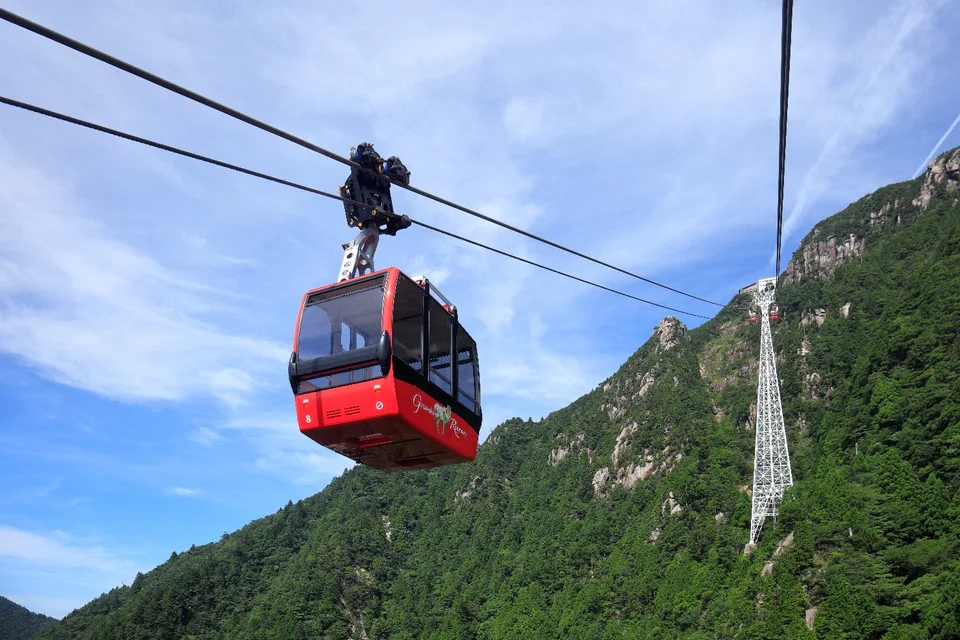
As rechecked on August 27, 2026, the official ropeway fare is ¥2,600 return for adults (about US$16) and ¥1,300 for children aged 4 through elementary school (about US$8). One-way fares are ¥1,500 and ¥750 respectively. From April through November the ropeway starts at 9:00, with the last ascent at 17:00 and last descent at 17:20; winter hours are shorter.
The hidden cost is that the ropeway’s upper station is not the true summit. The sightseeing lift from Ropeway Station to Summit Station currently costs ¥700 return (about US$4.40) or ¥400 one way. You can walk instead, but the official guidance puts that walk at roughly 30 minutes, compared with about eight minutes on the lift.
So a more honest adult “ride plus easiest summit access” budget is ¥3,300 (about US$21), before transport from Nagoya, food or an onsen stop. The extra ¥700 is not mandatory; it is the price of reducing the final climb. For a fit traveller who wants the walk, I would keep the money. For someone short on time or unsure about the climb, the lift has a clear job.
Real time cost: the ropeway is 15 minutes, but the mountain is not a 30-minute attraction
The official ropeway ride is about 15 minutes each way. Add an eight-minute sightseeing-lift ride each way and the transport components alone are roughly 46 minutes before queues, viewpoints, food, walking around Summit Park or any time spent waiting for weather to clear. If you walk to the true summit instead of using the lift, the official estimate is about 30 minutes each way for that summit segment.
↔ Scroll table left or right
What you do after reaching the upper ropeway station | Published movement time | Planning consequence |
Ride ropeway up and down only | About 30 min total in the gondola | Still allow time for boarding, viewpoints and the station area |
Add sightseeing lift to the summit | About 8 min each way on the lift | Faster summit access, but ¥700 extra return |
Walk from upper station to summit | About 30 min each way | Turns the outing into a more physical mountain visit |
This is why I would not squeeze Gozaisho into a leftover two-hour window after a long transfer. The value is the mountain, viewpoints and seasonal landscape, not simply proving you rode the gondola.
The live camera is more useful than a Nagoya weather icon
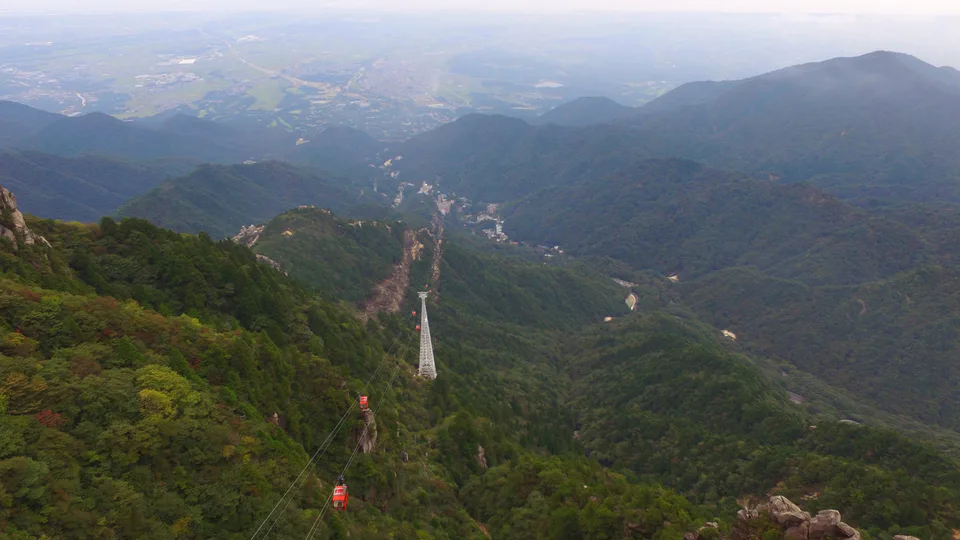
The ropeway climbs from Yunoyama Onsen at roughly 400 m elevation to Summit Park Station at about 1,180 m. The official site notes that the lower station is on average around 5°C warmer than Summit Park Station, with the difference sometimes reaching 10°C. That elevation gap is why a pleasant day in Nagoya does not guarantee the same visibility or comfort at the top.
Gozaisho’s summit camera updates automatically once per minute during operating hours. Use it together with the operating-status panel. The operator also warns that service may be suspended suddenly because of strong winds, thunder and other bad weather. A prepaid itinerary should never outrank the live mountain condition.
If you use an advance voucher, weather risk changes the booking order
The current KKday round-trip product is date/time specific and its listed cancellation policy says the booking cannot be cancelled or changed. That makes the sequence more important than the small convenience of buying early: first confirm your date, then understand the weather exposure, and check the operator status again before leaving.
KKday | Compare the Gozaisho Ropeway return ticket after checking the mountain conditions
I would not frame advance purchase as a way to “lock in” a mountain day. A non-changeable ticket does the opposite: it shifts more weather risk onto you. If your itinerary is flexible, preserving the ability to switch days can be worth more than committing early.
Autumn leaves: choose the elevation, not just the month
The official historical pattern is unusually useful for decision-making:
↔ Scroll table left or right
Area | Typical peak window | What this means |
Summit | Mid to late October | Best if the top itself is your target; lower slopes may still be green |
Mid-mountain | Late October to mid-November | Often the most interesting ropeway-view period because colour sits along the slope |
Yunoyama Onsen / base | Mid to late November | Lower area can peak after summit leaves have already fallen |
These are prior-year estimates, not guaranteed 2026 peak dates. That distinction matters. If you arrive in early November and see reports that the summit has passed peak, it does not automatically mean you missed Gozaisho; the mid-mountain may be exactly where the colour has moved. Conversely, late-November colour at the hot-spring area does not imply the summit is still in autumn condition.
If autumn is the main purpose of the trip, compare this elevation sequence with the broader Central Japan autumn leaves route rather than treating Nagoya, Takayama and Gozaisho as if they peak together.
Nagoya is a practical base, but the transport makes this a real day-trip commitment
Gozaisho’s official access guidance routes public-transport visitors through Kintetsu and Mie Kotsu services, while the road approach is about ten minutes from Komono Interchange. The important planning point is not a single headline train time: unlike a central-Nagoya attraction, the final approach depends on mountain-area transport and its timetable.
I would therefore build the day around Gozaisho first and add Yunoyama Onsen or food only if the return transport leaves enough margin. Do not design a tightly chained evening reservation in Nagoya based on the assumption that a mountain day will behave like a subway trip.
If your wider itinerary already includes a Takayama out-and-back day, another mountain excursion can make a short Nagoya stay feel transport-heavy. Compare Takayama as a day trip or overnight stop. Gozaisho earns the day when you actively want the mountain; it is weaker when it is simply the next attraction on a list.
Who gets the most value — and who should skip?
Best fit: autumn travellers chasing elevation, families who want mountain scenery without committing to a full technical hike, repeat Nagoya visitors, and travellers who can move the day around the weather. Weak fit: anyone with a rigid one-day Nagoya schedule, travellers who strongly dislike weather uncertainty, or people who only want a quick gondola ride rather than time on the mountain.
Mobility also changes the answer. Summit Park has unpaved paths, and the sightseeing lift is a single-passenger chairlift; it is not simply an enclosed continuation of the ropeway. If those details create a problem for your group, treat the upper-station views as the main experience rather than assuming everyone needs to reach the true summit.
If the summit turns poor: switch to a weather-resilient Nagoya day
2026 closure dates that override every weather plan
The operator’s 2026 inspection schedule includes September 10 and December 14–22 as remaining closure periods after August 27. During scheduled inspection work, the ropeway, sightseeing lift and Summit Park facilities are closed. The operator also notes that additional inspection work may be announced separately.
Check this first, weather second. There is no value in perfect foliage timing if the system is closed for maintenance.
Final verdict: Gozaisho is worth the detour when the mountain is giving you the thing you came for
On a clear day, especially when autumn colour is sitting at the right elevation, ¥2,600 (about US$16) for the ropeway plus the time from Nagoya can be an excellent trade for a proper mountain day. Add the ¥700 sightseeing lift only if faster summit access matters to you.
On a fogged-in or increasingly windy day, I would walk away unless you have another reason to spend time in Yunoyama Onsen. That is the red-team test for this recommendation: if the view disappears, the gondola alone is usually not enough to justify a dedicated Nagoya day. The trip becomes strong again when visibility, season and your route all line up.
Otsuka Museum of Art 2026: ¥3,300 Isn’t the Real Cost — Your Half-Day Is
Okinawa Hotels With Washer-Dryers: On a 3-Night Trip, the Kitchen Usually Matters Less
ANA InterContinental Manza Beach Resort: Is 32m² Worth Giving the Resort Half a Day?
Sources
Gozaisho Ropeway official prices and operating hours — rechecked August 27, 2026.
Gozaisho Ropeway official live camera, FAQ, summit and sightseeing-lift guidance — rechecked August 27, 2026.
Gozaisho Ropeway 2026 inspection-closure notice — rechecked August 27, 2026.
Gozaisho Ropeway official autumn foliage guidance — rechecked August 27, 2026.
KKday Gozaisho Ropeway round-trip product page — cancellation and voucher terms rechecked August 27, 2026.