
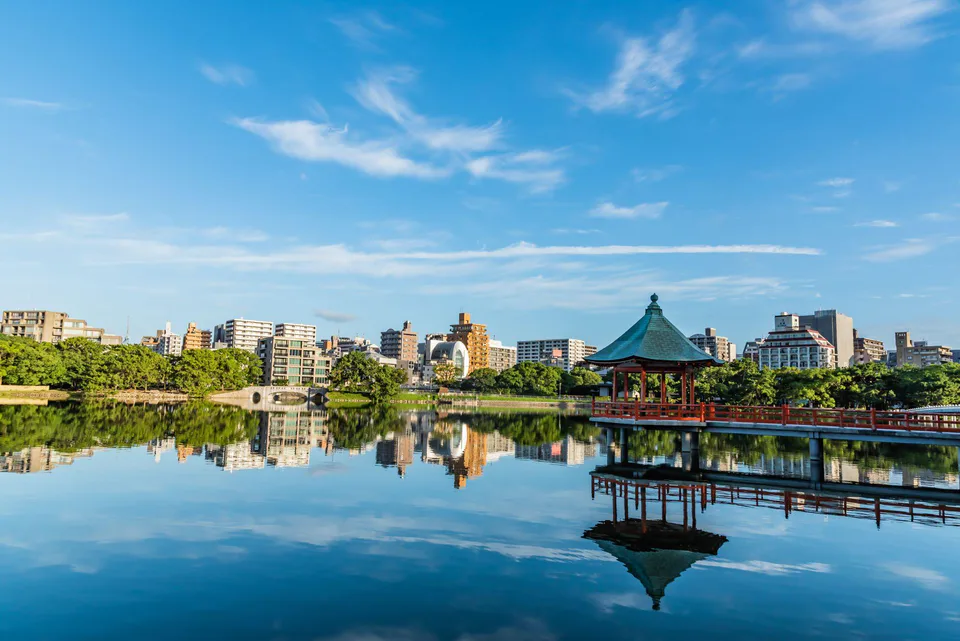
For a first visit, I would plan two full days for Fukuoka city or three usable days if you want one nearby excursion such as Dazaifu or Itoshima. Keep a fourth day only when it has a specific job: slow food-led travel, a second excursion, recovery after a long flight or a deliberately lighter pace. The important correction is that Fukuoka hotel nights are not the same thing as Fukuoka sightseeing days. A four-night stay can still contain only two real Fukuoka days if the other two are long Kyushu day trips.
That distinction matters because Fukuoka is an excellent transport hub. It is easy to keep adding hotel nights simply because changing bases is inconvenient. But once Yufuin, Beppu, Kumamoto or another destination consumes most of a day, the planning question changes from “How many days in Fukuoka?” to “Should this still be a Fukuoka-based day trip, or should the night move with the itinerary?”
↔ Scroll table left or right
Your actual trip shape | Best default | What it really buys |
City only | 2 usable days | Hakata/Gion, Tenjin/Daimyo, Ohori/Maizuru and one good evening without rushing |
City + Dazaifu or Itoshima | 3 usable days | Two city days plus one coherent excursion |
City + two excursions | 4 usable days | Lets each excursion have its own day instead of stealing the flexible middle of a city day |
Fukuoka hotel + Yufuin/Beppu/Kumamoto on multiple days | Recalculate the base | You may have many Fukuoka nights but surprisingly little Fukuoka sightseeing time |
Late arrival / early departure | Add hotel nights before adding “days” | Protects sleep and transport without pretending partial travel days are full sightseeing days |
Two full days are enough when Fukuoka city itself is the assignment
Fukuoka works unusually well as a short city break because the airport and central districts are close. Fukuoka Airport currently states that the Domestic Terminal is about five minutes by subway from Hakata and about eleven minutes from Tenjin. International passengers should not apply those figures directly to aircraft-to-hotel time: the airport’s current transfer guidance gives roughly ten minutes for the free shuttle from the International Terminal to the Domestic Terminal, where the subway station is located, and notes that traffic can make the shuttle longer.
That proximity makes partial days more useful than in many large Japanese cities, but it does not turn a flight day into a full sightseeing day. A noon arrival may still support a neighbourhood, shopping and dinner. An 18:00 arrival is mostly an evening. Treat the usable hours honestly.
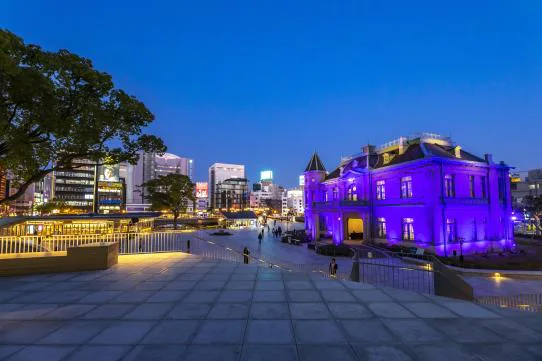
For two full city days, I would give each day a geographic job rather than chasing a list. One day can cover the Hakata/Gion side and finish around Nakasu. The other can run through Ohori/Maizuru and Tenjin/Daimyo. What makes two days work is the city’s compactness and good transport—not an assumption that Dazaifu, Itoshima and every food stop can all be squeezed into the same calendar.
One night is a gateway stop, not a complete first visit
A one-night Fukuoka stay can be excellent when the city is the front door to a wider Kyushu trip. Arrive, leave the luggage, choose one compact neighbourhood sequence, eat well, sleep, then move on. That is a successful gateway night.
The mistake is calling that “one day in Fukuoka” and then comparing it with a two- or three-day city itinerary. The experience is different. If the next morning is a reserved JR or Shinkansen departure, Hakata often becomes the practical base. If the evening itself is the purpose and the next departure is late, Tenjin may still fit better. Solve the hotel area with Hakata vs Tenjin after you know what the night is supposed to do.
The third usable day should usually choose one branch: Dazaifu or Itoshima
For a first visit, three usable days is the strongest default because the third day can genuinely change the trip rather than merely add another central shopping block.
Dazaifu is the easier structured excursion for most car-free travellers. Dazaifu Tenmangu’s current official access page gives about 35 minutes from Nishitetsu Fukuoka (Tenjin) Station to Dazaifu Station, or about 45 minutes by direct bus from Hakata Bus Terminal; the shrine is then about five minutes on foot from Dazaifu Station. That makes it practical to give Dazaifu its own half-to-most-of-day block and still return to Fukuoka for dinner.
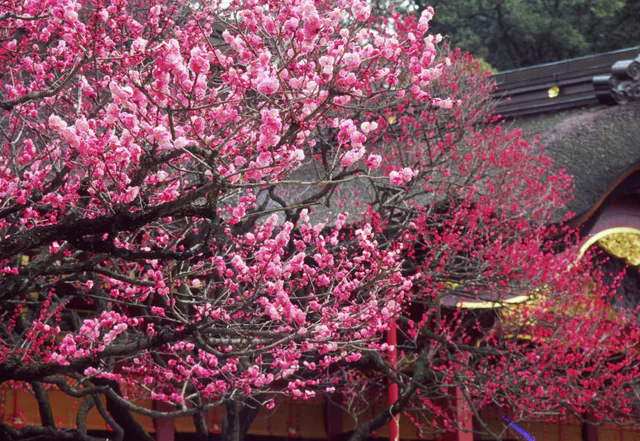
Itoshima is the scenery-led alternative and is more sensitive to weather, bus timing and how many coastal stops you try to connect. If rain removes the reason you wanted the coast, keeping the day in Fukuoka is often better than forcing an excursion simply because “Day 3” was labelled Itoshima months earlier.
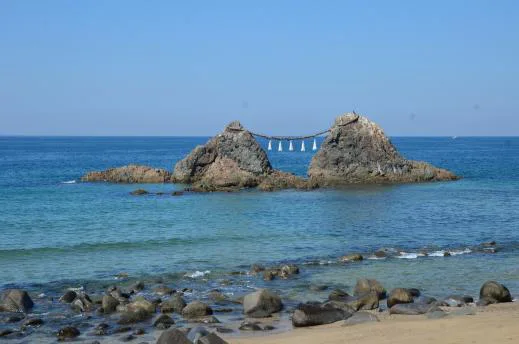
I would not combine Dazaifu and a broad Itoshima coast day merely because both are marketed as “easy from Fukuoka.” They solve different trips, and the transfers between them consume the flexibility that makes a three-day Fukuoka stay pleasant.
The new test: count city days separately from Kyushu hub nights
This is the distinction that prevents the biggest itinerary mistake.
Suppose you book four nights in Hakata because Fukuoka is convenient. Day 1 is Fukuoka city. Day 2 is Yufuin. Day 3 is Beppu. Day 4 is Fukuoka city. You have four Fukuoka hotel nights but only two Fukuoka sightseeing days.
That is not automatically bad. A fixed Hakata hotel can reduce packing and luggage movement. The question is whether the lost destination evenings and mornings are worth that convenience.
Use this hub-night conversion test:
Keep the Fukuoka base when the excursion is mainly a daytime attraction and returning to the same room clearly reduces luggage or family friction.
Move the night when the destination’s distinctive value happens after day-trippers leave or before they arrive—ryokan dinner, private onsen, an early scenic walk or a next-morning route that naturally continues onward.
Recalculate when two or more “Fukuoka days” are actually long intercity day trips. At that point, the hotel may be convenient while the route itself is no longer efficient.
This is why Beppu vs Yufuin is not merely a hotel comparison. An overnight there can buy time periods a Fukuoka day trip cannot reproduce.
A fourth day is worth keeping only when it changes the trip
Keep Day 4 in Fukuoka when it has a defined role: a second excursion, recovery after long-haul travel, a food-led day with deliberately fewer sights, or simply a slower pace that you value more than another hotel move.
Do not keep it because “Fukuoka has enough things to do.” It certainly does. That is not the right comparison. The question is whether the fourth Fukuoka day beats the best use of that night elsewhere on your route.
If the fourth day only repeats shopping because the hotel is already booked, I would move the night. If it protects a final morning before a flight, provides a weather buffer, or lets you do Dazaifu and Itoshima without compressing either, keeping it can be the more resilient decision.
Food-led travellers can justify four days for a different reason
Food is easy to undercount because it is often treated as something that happens “after sightseeing.” A food-led Fukuoka trip can use more time productively: a late breakfast or market stop, a proper lunch, one neighbourhood in the afternoon, then yatai or an izakaya evening.
If food is one of the main reasons for choosing Fukuoka, Day 4 can buy pace rather than attractions. That is a legitimate use of the day. The weak version is adding more landmarks just to prove the fourth day was necessary.
Hotel nights become more valuable for different reasons as the stay gets longer
On a one-night gateway stop, airport and station access dominate. On a four-night base, room size, laundry, breakfast timing, public bath use and whether the hotel sits near your repeated evenings start to matter more. That is why hotel selection should follow the day-count decision, not precede it.
For a Hakata-first stay, compare Miyako Hotel Hakata vs Blossom Hakata Chuo. For a Tenjin-heavy stay, use the relevant Tenjin hotel comparison only after you know how many days actually return to that district.
Final verdict: plan usable Fukuoka days first, then decide how many nights the hub deserves
Two full days is enough for a city-only first visit. Three usable days is the best default when you want the city plus Dazaifu or Itoshima. Four usable days is justified when the extra day has a distinct job.
But do not confuse those numbers with hotel nights. If two of your “Fukuoka days” are really Yufuin, Beppu or another long Kyushu excursion, you may be using Fukuoka as a hub rather than visiting Fukuoka for four days. That can be exactly right—but it deserves a separate decision about whether keeping one hotel is worth giving up the destination’s evening and morning.
Best Place for a First Japan Autumn Trip: Tokyo, Kyoto, Hokkaido or Tohoku?
Is Fukuoka Worth Visiting on a First Japan Trip? When to Add It—and When to Skip It
Fukuoka Hotels for Day Trips: Choose Hakata or Tenjin by Where Your Mornings Start
Hakone vs Kawaguchiko: Which Is Better for Your First Japan Trip?
Mitsui Garden Hotel Fukuoka Gion: Is the 26.6 m² Triple Room Worth It for 3 Adults?
References
Fukuoka Airport — current access information · Fukuoka Airport — international/domestic terminal shuttle · Dazaifu Tenmangu — current access information. Checked August 25, 2026. Transport schedules can change; verify the exact travel date before building a time-sensitive excursion.