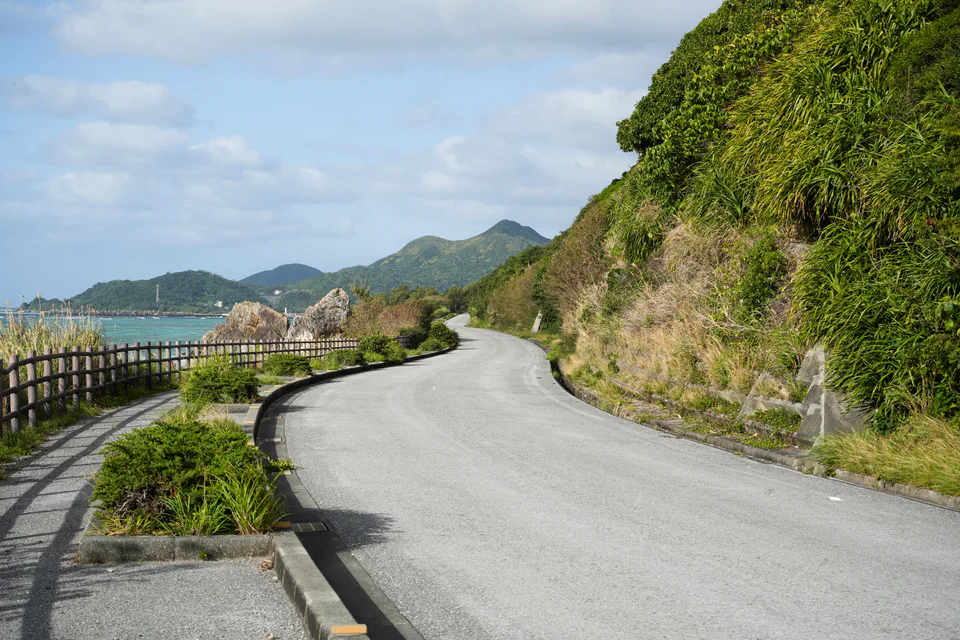
A four-day Okinawa trip normally has room for two major sightseeing routes, not three. Once arrival and departure are treated honestly, many travellers have only two complete days. For a first self-drive trip, I would usually choose Churaumi/northern Okinawa + one Onna/Yomitan marine day. Replace the marine day with Shuri/southern Okinawa if sea conditions, seasickness, young children or mobility make a weather-dependent water day a poor fit.
The biggest planning mistake is not choosing the wrong attraction. It is making all four days travel in different directions: Naha arrival, Motobu north, Onna marine activity, Shuri south, then an airport morning. The trip becomes a chain of rental counters, check-ins and road time. The better four-day plan gives each complete day one geographic job and keeps the first and last day operationally boring.
↔ Scroll table left or right
Your flight shape | Hotel / car strategy to test first | Why |
Late arrival + early departure | Keep Naha as the main base; minimise hotel moves | Both boundary days are weak sightseeing days, so a resort move has little time to repay itself |
Late arrival + late departure | Naha first night + 2 nights Onna can work | The arrival night stays simple while Day 4 still has enough airport margin |
Early arrival + late departure | Airport-area car pickup and one central/northern base becomes more viable | You have enough Day 1 daylight to make the rental pickup and northbound move earn their cost |
Early arrival + early departure | Use the north/central base first, then a final Naha night only if it protects the flight | The final hotel move has a specific job: removing rental-return and long-road risk from departure morning |
Start by calculating usable days, not calendar days
Write four lines before adding any attractions:
Day 1: when are you realistically free after landing, baggage, transport and check-in?
Day 2: full day.
Day 3: full day.
Day 4: when must sightseeing stop so fuel, rental return, shuttle/taxi and airport procedures remain comfortable?
If Day 1 becomes usable at 17:00 and Day 4 stops at 10:00, the trip is not four sightseeing days. It is two full days plus two logistics windows.
That is why I would make the first choice between three route families:
North: Motobu / Churaumi, with one nearby add-on.
Central-coast marine: Onna / Yomitan, with one headline water activity.
South: Shuri plus one southern anchor.
Choose two. If all three are non-negotiable, the honest fix is a fifth day.
Day 1: decide whether the rental car earns its first night
If you arrive in the afternoon or evening and sleep in Naha, collecting the rental car immediately often creates more work than value. Airport-area rental usually means finding the company shuttle, travelling to the branch, completing the contract and vehicle check, then driving on the left when everyone is tired. You also start paying for the vehicle and parking before it has done meaningful sightseeing work.
In that pattern, I would usually use Yui Rail or a taxi into Naha, have dinner around Kokusai-dori/Makishi and collect the car the next morning. The saved rental night is useful, but the bigger gain is removing an unnecessary first-night operational chain.
Collect at the airport on Day 1 when the car immediately performs a high-value job: the flight lands early, everyone is alert, and you are driving straight to Onna, Nago or Motobu instead of sleeping in Naha.
This is where branch hours matter more than the lowest daily rate. Use the Okinawa OTS vs Toyota vs ORIX rental comparison after the itinerary tells you the pickup time. A company that closes too close to your actual landside time is not a cheaper option; it is a fragile option.
Hotel strategy: one move at most unless the flight forces another
Three hotel nights disappear quickly. A Naha → Onna → Motobu → Naha sequence is almost always over-engineered for four days.
I would use these defaults:
Late arrival, late departure: Naha 1 + Onna 2 is a strong first-trip pattern if north and marine days dominate.
Late arrival, early departure: three nights Naha can be more resilient than two hotel moves; accept extra driving on the two full days.
Early arrival, late departure: one Onna/Nago-style base can work if the car is collected early and Day 4 remains light.
Early departure after resort stay: a final Naha night is worth considering only when it genuinely removes an uncomfortable predawn road + rental-return chain.
The hotel move should delete at least two expensive movements or one genuinely high-risk departure morning. Do not move merely because Motobu looks “closer to Churaumi” if the following day sends you straight back south.
Use where to stay in Okinawa after choosing the two full-day routes. The itinerary should choose the hotel geography, not the resort photo.
Day 2: make Churaumi the north-day anchor, then add only one extra
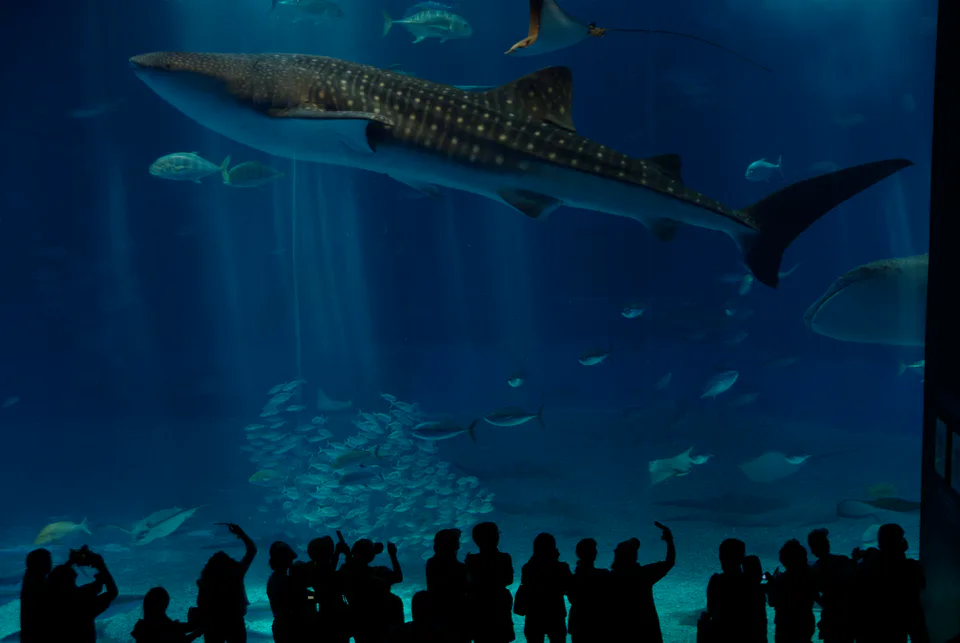
If Churaumi Aquarium is one of the trip’s main sights, let the north own a full day. The normal aquarium schedule is currently 08:30–18:30 with last admission at 17:30. For August 1–31, 2026, the aquarium extends to 21:00 with last admission at 20:00. The official site also warns that the parking areas are at some distance from the aquarium and asks visitors to allow extra arrival time.
The August late close is useful, but it does not justify starting the north day late. Road time, parking, Ocean Expo Park, dinner and the next morning still exist.
After Churaumi, choose one northern extra:
Bise Fukugi Tree Road: best when you want a slower walk and minimal geographic sprawl.
Kouri Island: best when the bridge/sea-view drive is a major trip image.
Nakijin: best when history matters more than another coastal stop.
Churaumi + Bise + Kouri + Nakijin can be plotted in a route app. That does not make it a good four-day itinerary. Parking, walking, meals and family pace turn “nearby pins” into a full day.
If Churaumi is not a high priority, skipping the north is the single biggest way to create breathing room. You can then spend both full days around Onna/Yomitan and Naha/south without the longest repeated road segment of the trip.
Day 3 marine version: count the whole activity block, not the advertised water time
A “60-minute snorkelling tour” does not occupy 60 minutes of the day. The real block can include arrival before the slot, registration, changing, safety briefing, equipment fitting, transfer or boat time, the activity, showering and regrouping.
That is why I would choose one headline marine activity and keep the rest of the day geographically close.
If you are staying around Onna, a Blue Cave session can pair naturally with Manzamo, a café, beach/resort time or a short Yomitan stop. Use the Blue Cave guide to choose boat versus shore entry and understand cancellation conditions.
Parasailing can be shorter, but meeting-point geography still matters. A cheaper slot in Naha or Motobu may be worse value if it makes the whole group cross the island. On a four-day trip, the activity with the better route can beat the activity with the better headline price.
Keep the marine day swappable because weather can change the winner
Marine activities are the most schedule-sensitive of the three route families. Ordinary rain does not automatically cancel a tour, but wind, swell, lightning and typhoon conditions can.
Build a swap instead of a rigid sequence:
Good marine conditions: use the Onna/Yomitan activity day.
Poor marine conditions but ordinary road travel is fine: move Shuri/south or Churaumi into that day.
Typhoon / severe disruption: same-day official operation and road information overrides the itinerary entirely.
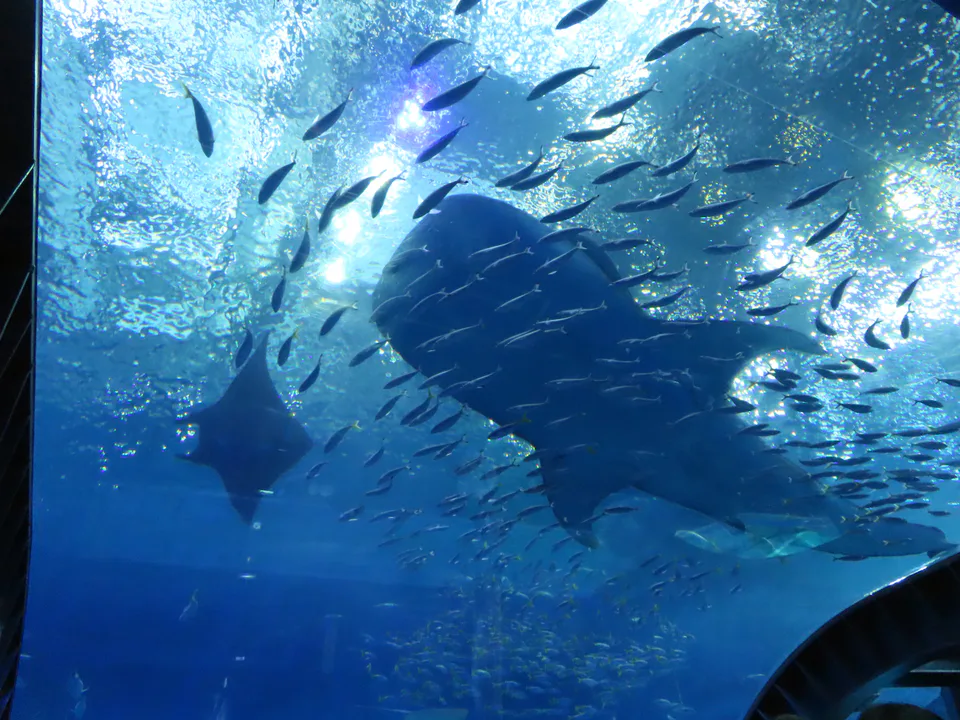
Churaumi itself is not immune to weather disruption. Its official schedule notes that temporary closures can occur for typhoons and unforeseen circumstances; the aquarium had a delayed opening after a typhoon on August 8, 2026. “Indoor attraction” is therefore a useful rain backup, not a guarantee against severe-weather disruption.
Use the Okinawa rainy-day and typhoon guide for the larger decision tree.
Day 3 south version: Shuri plus one anchor, not a south-island sweep
If marine activities are not a good fit, make Day 3 a south/Naha day. Shuri is the natural cultural anchor; then choose one additional job such as Okinawa World, Sefa-Utaki or an airport-side sunset/meal.
Do not turn “south” into Shuri + Okinawa World + Sefa-Utaki + Senaga + outlet shopping. A rental car shortens transfers but does not remove attraction time.
There is also an important 2026 date break. Shuri Castle Park will begin general public access to the restored Seiden interior on November 23, 2026. The Seiden interior uses timed advance reservations. For November 23–December 31 visits, the first reservation allocation opens September 1 at 13:00 and the second opens October 1 at 13:00; from 2027 onward, sales are scheduled from 13:00 on the first day of the month two months before the visit month.
That means Shuri changes from a flexible south-day stop into a timed anchor if the interior is a priority after November 23. Build the rest of the day around the reserved slot rather than assuming you can move Shuri freely in response to weather.
If you do not reserve the Seiden interior, Shuri Castle’s other paid areas can still be visited under the applicable ticket rules; the reservation requirement is specifically important for the restored Seiden interior.
Day 4: rental-car return is part of the flight, not a final attraction
The last morning should be geographically boring. If the flight is in the afternoon, use the time for breakfast, Kokusai-dori, a café or one airport-side stop. If the flight is early, the sightseeing itinerary is already finished.
Do not plan “arrive at rental branch at the contract end time, then go to the airport.” The real chain can include:
fuel;
traffic into Naha;
vehicle inspection;
unloading luggage;
branch paperwork;
rental-company shuttle or taxi/rail;
terminal walking and airline procedures.
For an early flight, returning the car on Day 3 and sleeping in Naha can be more resilient than preserving one more rental morning. You give up a little flexibility but remove several linked failure points from departure day.
If the flight is late, keeping the car longer may still be sensible — but the final stop should sit on the route toward the branch/airport, not back in Motobu or Kouri.
Three four-day itineraries that pass the geography test
Version A: classic first trip — north + marine
Day 1: Naha arrival; no car if arrival is late. Day 2: Churaumi + Bise or Kouri. Day 3: one Onna/Yomitan marine activity + nearby coast/resort time. Day 4: Naha/airport.
Best for travellers who want the aquarium, one water experience and a coast/resort feel.
Version B: family / weather-resilient — north + south
Day 1: Naha. Day 2: Churaumi + one northern extra. Day 3: Shuri + one southern anchor. Day 4: airport-side finish.
Best for young children, older parents, seasickness concerns or anyone who does not want the success of one of only two full days tied to marine conditions.
Version C: aquarium skipper — marine + south
Day 1: Naha. Day 2: Onna/Yomitan marine activity + central coast. Day 3: Shuri + south. Day 4: Naha/airport.
Best for repeat visitors or travellers who value sea time, food and Ryukyu history more than a landmark aquarium. Skipping Motobu removes the longest axis and makes four days feel materially less compressed.
What I would cut first when the trip becomes too full
Cut in this order rather than squeezing every stop:
secondary add-ons on the same route — Kouri or Bise, not both if time is tight;
the third route family — north, marine or south;
an extra hotel move;
the first-night rental if it does no useful driving;
a final-morning attraction that points away from the airport.
Do not cut the flight buffer, the weather buffer or the meal/rest time first. Those are what keep the short trip functional.
If all three routes are essential, add a fifth day
If Churaumi/north, a marine activity and Shuri/south are all true must-dos, four days is the wrong container. A fifth day gives each major route its own complete block and turns Day 4/5 from a constant compromise into a real buffer.
Use the five-day Okinawa self-drive itinerary instead of trying to manufacture time by leaving every hotel at 07:00. Earlier alarms do not remove road distance, parking, activity check-in or airport procedures.
Final verdict: four days works only when one major direction is deliberately missing
For a normal first self-drive trip, my default is Naha arrival → Churaumi/north → one Onna/Yomitan marine day → Naha/airport. Replace the marine day with Shuri/south when weather sensitivity or traveller profile makes the sea a poor bet.
The decision survives a red-team test only if the flight shape also works. Late arrival + early departure can make a resort split worse than three Naha nights. Early arrival + late departure can make immediate northbound driving much more efficient. Rental-car timing and hotel geography therefore come before the attraction list.
The rule to remember is not “see less.” It is: give every full day one direction, and do not make the boundary days pretend to be full days.
Okinawa Helicopter Tours: 4, 12, 20 or 35 Minutes? Pick the View Before the Flight Time
Osaka and Kyoto 4-Day Itinerary With USJ: Does Kyoto Still Fit?
Miyakojima Diving: One Dive, Two Dives or Three? Your Flight Home Matters More Than the Upgrade
Niseko Snowmobile 2026–27: Book It as an Active Day, Not a Rest Day
Hiroshima One-Day Itinerary: Peace Park, Castle and Shukkeien
References
Okinawa Churaumi Aquarium — current hours and temporary-closure guidance · Okinawa Churaumi Aquarium — 2026 summer opening hours · Shuri Castle Park — Seiden interior reservations from November 23, 2026 · Shuri Castle Park — 2026 Seiden opening, ticket and reservation schedule. Checked August 25, 2026. Marine operations, typhoon closures, rental-branch hours and road conditions can change; verify live conditions for the actual travel date.