
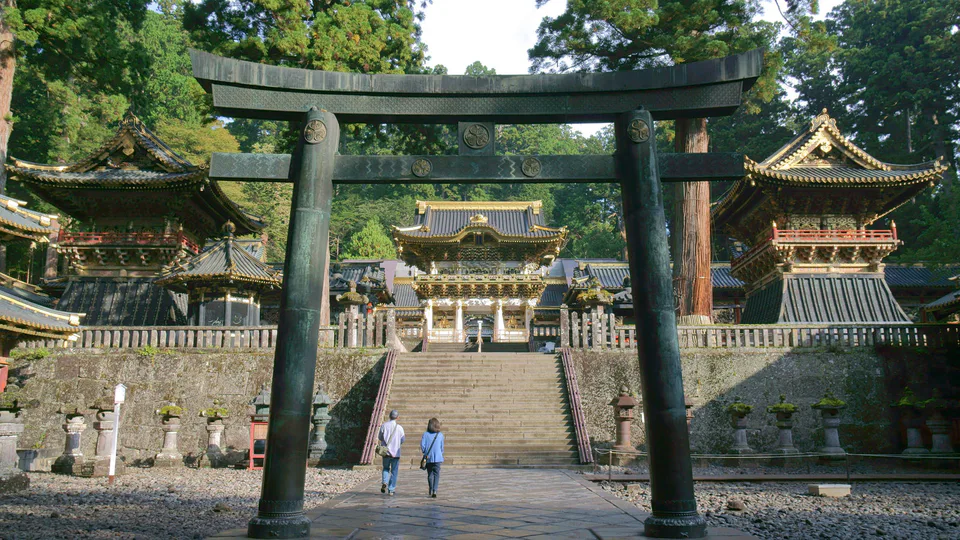
If your four-day Tokyo trip has only two genuinely free sightseeing days, I would not add Nikko by default. A focused World Heritage day can be excellent, but it uses half of those complete days. The answer changes when Toshogu and historic Nikko are already a top-three priority; it changes again if Lake Chuzenji, Kegon Falls or Oku-Nikko are the real goal. The useful decision is not “Is Nikko worth visiting?” It is which Nikko do you want, and what Tokyo day are you willing to delete for it?
Tobu Railway’s current timetable still shows SPACIA X No. 1 leaving Asakusa at 7:50 and reaching Tobu-Nikko at 9:39. That is 1 hour 49 minutes before you count your hotel-to-Asakusa trip, the move from Tobu-Nikko to the World Heritage area, or any bus toward Lake Chuzenji. The rail leg is efficient; the day becomes expensive in time after arrival.
Nikko day trip or overnight: the 30-second decision
↔ Scroll table left or right
| Your four-day trip | ValueNavi call | Why |
|---|---|---|
| Only two full Tokyo days; first visit | Usually skip Nikko | One excursion consumes 50% of your complete sightseeing days. |
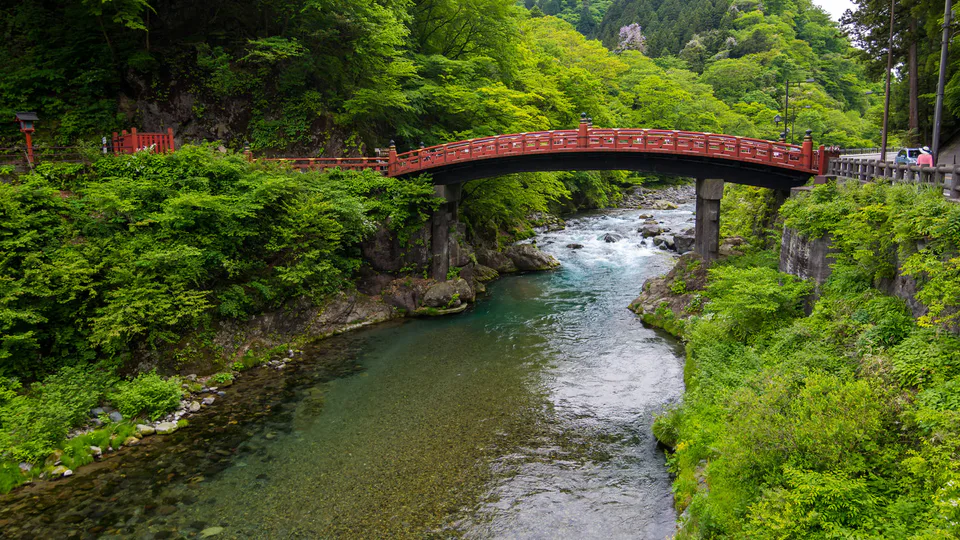
| Toshogu + Shinkyo + World Heritage are a top priority | Day trip works | Central Nikko is coherent enough to justify the travel when you keep the scope tight. |
| Toshogu + Lake Chuzenji + Kegon Falls | Cut something or stay overnight | You are combining two transport layers, not one compact sightseeing zone. |
| Senjogahara, Yudaki or Yumoto Onsen matter | Stay overnight | Deeper Oku-Nikko rewards hiking and nature time; Tokyo return travel becomes too large a share of the day. |
| Peak autumn weekend | Overnight becomes stronger | Irohazaka and mountain-bus uncertainty make a two-layer day fragile. |
| Young children or older travelers | One layer only, or overnight | The fatigue cost comes from temple walking, buses, stairs and repeated transfers—not just the train. |
ValueNavi Score: Nikko as a day trip inside a first four-day Tokyo visit
This is an editorial score, not an official rating. The same seven dimensions are used across ValueNavi decision guides; 10 means more favorable for this exact trip structure.
| Dimension | Score /10 | What moves the score |
|---|---|---|
| Cost efficiency | No hotel move is needed, but intercity transport is still a real day-trip cost. | |
| Time efficiency | More than 3.5 hours of Asakusa–Tobu-Nikko rail time round trip before local transport. | |
| Booking flexibility | Rail is straightforward; the trip is less reservation-heavy than many timed-entry attractions. | |
| Weather resilience | Central heritage survives mixed weather better than mountain scenery and hiking. | |
| Crowd resilience | Peak foliage and road congestion can damage the mountain half of the plan. | |
| Route fit | Good from Asakusa/Ueno; weaker when a short Tokyo trip is based far west and still has city priorities. | |
| Uniqueness | Toshogu plus Nikko’s mountain landscape is meaningfully different from another Tokyo neighborhood day. |
Composite: 6.1/10. That is not a “Nikko score.” It is the fit of a Nikko day trip inside a first four-day Tokyo trip. On a repeat Tokyo visit, or when Nikko is one of the trip’s main reasons, route fit and time value rise sharply.
The hidden cost is not 1 hour 49 minutes—it is the full door-to-first-sight chain
SPACIA X makes Asakusa → Tobu-Nikko direct, but a traveler staying in Shinjuku, Shibuya or around Tokyo Station first has to reach Asakusa. After Tobu-Nikko, the World Heritage area still requires a bus or walk. If your hotel is around Asakusa or Ueno, the branch fits more naturally. If your hotel is on Tokyo’s west side, the same official train timetable produces a longer real morning.
The practical metric is hotel door → first meaningful sight → last meaningful sight → hotel door. A fast limited express can reduce one component without making the whole excursion small.
The stable day-trip version: let World Heritage be the whole point
For a first Nikko visit within a short Tokyo trip, the version I trust most is intentionally restrained: arrive in the morning, keep Shinkyo, Toshogu, Rinnoji and Futarasan as the core, eat in the same broad area, then return after actually finishing the heritage zone. You avoid turning the day into a sequence of “how long until the next bus?” calculations.
Add Lake Chuzenji and the structure of the day changes
Lake Chuzenji and Kegon Falls sit above central Nikko and normally require the mountain-bus route via Irohazaka. If they are mandatory, I would deliberately shrink the heritage zone—perhaps Toshogu + Shinkyo first, then move uphill. The bad version is trying to preserve every temple, the lake, the waterfall and a comfortable return simply by walking faster.
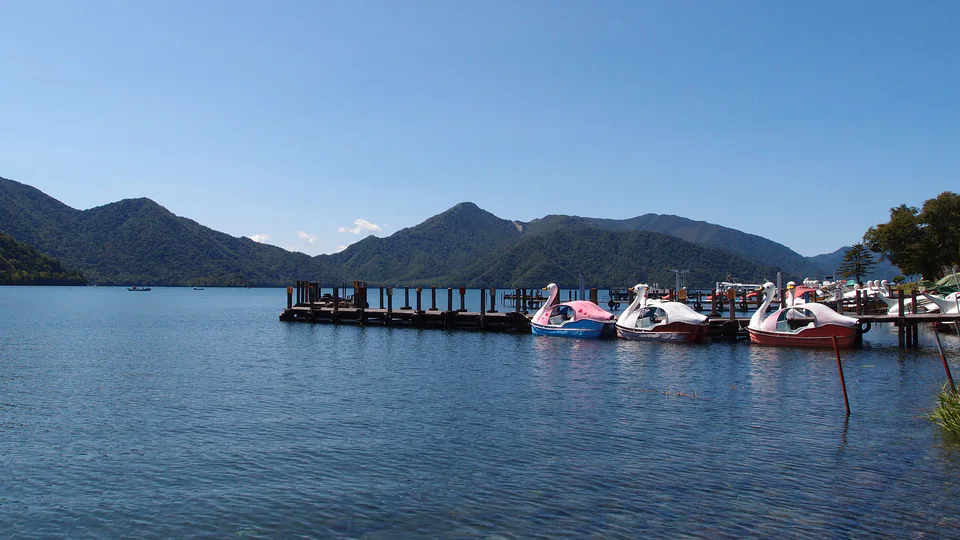
If you refuse to cut Toshogu and also refuse to cut Lake Chuzenji, the solution is usually not “move faster.” It is one night.
What does one night actually buy?
An overnight buys order flexibility, not just more hours. Day 1 can finish the World Heritage zone and Day 2 go uphill early; or the mountain half can move to the better-weather window. That matters because Kegon Falls, lake views and hiking are more weather-sensitive than central temple sightseeing.
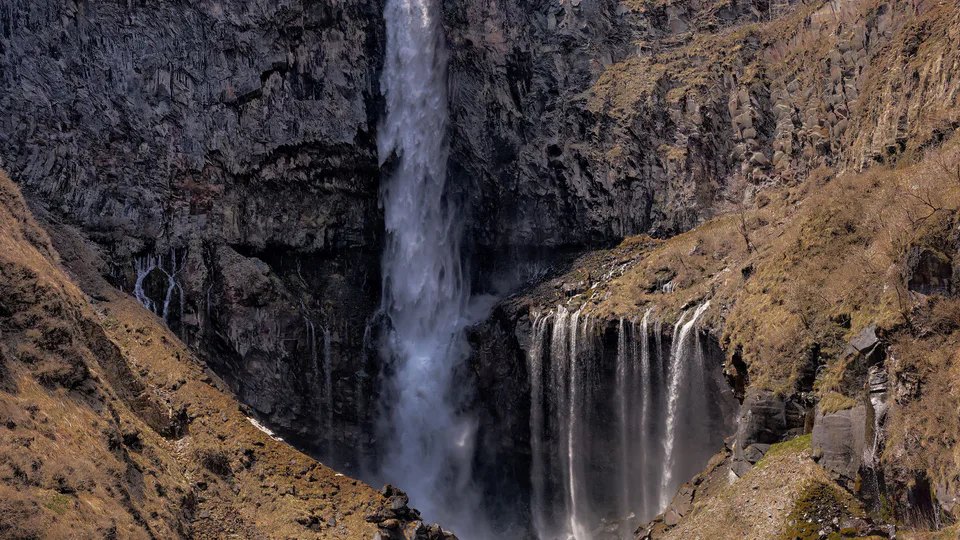
If you are unsure which layer matters more, compare Nikko vs Oku-Nikko before booking a hotel. That choice usually resolves the day-trip-versus-overnight question.
Once Senjogahara or Yumoto appears, stop using the Tokyo-day-trip framework
Senjogahara, Yudaki and Yumoto Onsen are deeper into Oku-Nikko. Their value comes from trails, lakes, onsen and unhurried nature time. If you are already imagining a proper walk or an onsen stay, the Tokyo round trip is consuming the exact part of the day you came for. Stay in central Nikko, Lake Chuzenji or Oku-Nikko and split the route across two days.
The autumn failure mode: one road segment controls the whole day
In foliage season, central Nikko and Oku-Nikko peak at different times because of elevation, and many travelers move uphill. That puts more pressure on Irohazaka and the mountain buses. A plan that requires Toshogu, Lake Chuzenji and Kegon Falls to all run on paper time makes the entire day depend on its least predictable segment. If the mountain half is optional, delete it. If it is essential, one night is the more resilient structure.
What are you giving up in Tokyo?
The replacement cost is unusually clear on a four-day calendar. If Day 1 is arrival and Day 4 is departure, a Nikko day takes one of only two complete days. Add Disney and the two complete days are already gone. Add Kamakura as well and Tokyo city becomes a set of evenings and transit fragments.
That can be a valid trip if your real intention is “Tokyo base + major day trips.” It is a poor fit if your real intention is a first Tokyo city trip. Protect the city’s complete days before optimizing an excursion.
Three four-day versions that actually make sense
Tokyo-first: arrival day + eastern Tokyo + western Tokyo + departure. No Nikko. Best when this is your first visit and Tokyo itself is still the priority.
World Heritage branch: one complete day for Toshogu/Shinkyo/Rinnoji/Futarasan, then return to Tokyo. Best when heritage is a hard priority and you can accept losing a Tokyo day.
Nikko is part of the trip, not a side trip: World Heritage + one night + Lake Chuzenji/Kegon or deeper Oku-Nikko. Best when mountain scenery or onsen is central enough to justify reallocating a hotel night.
Final verdict: choose the Nikko layer before choosing the train
For a first four-day Tokyo trip with only two complete sightseeing days, I would usually keep Nikko out. If Toshogu and the World Heritage zone are already one of your strongest priorities, a focused day trip is defensible. If Lake Chuzenji and Kegon Falls are also mandatory, cut central sights or stay one night. If Senjogahara or Yumoto matters, stay overnight. SPACIA X solves the intercity rail leg; it does not compress central Nikko and Oku-Nikko into one compact district.
Your next decision
If you are staying overnight, next decide whether Nikko or Kinugawa Onsen fits your nights before choosing the hotel.
Airalo vs Saily vs Klook Japan eSIM: Which Product Fits Your Trip?
Vessel Hotel Campana Okinawa vs LeQu: Which Chatan Hotel Fits Your Trip?
Biei Day Trip or Overnight? When Staying One Night Is Worth It
Sources
Tobu Railway: current SPACIA X timetable and Tokyo–Nikko access information. Nikko tourism/JNTO: World Heritage, Oku-Nikko, Lake Chuzenji and transport information. Information rechecked August 27, 2026. Train operation, buses, road congestion and seasonal conditions can change by date; verify before travel. ValueNavi scores are editorial analysis derived from the route structure and are not official ratings.