
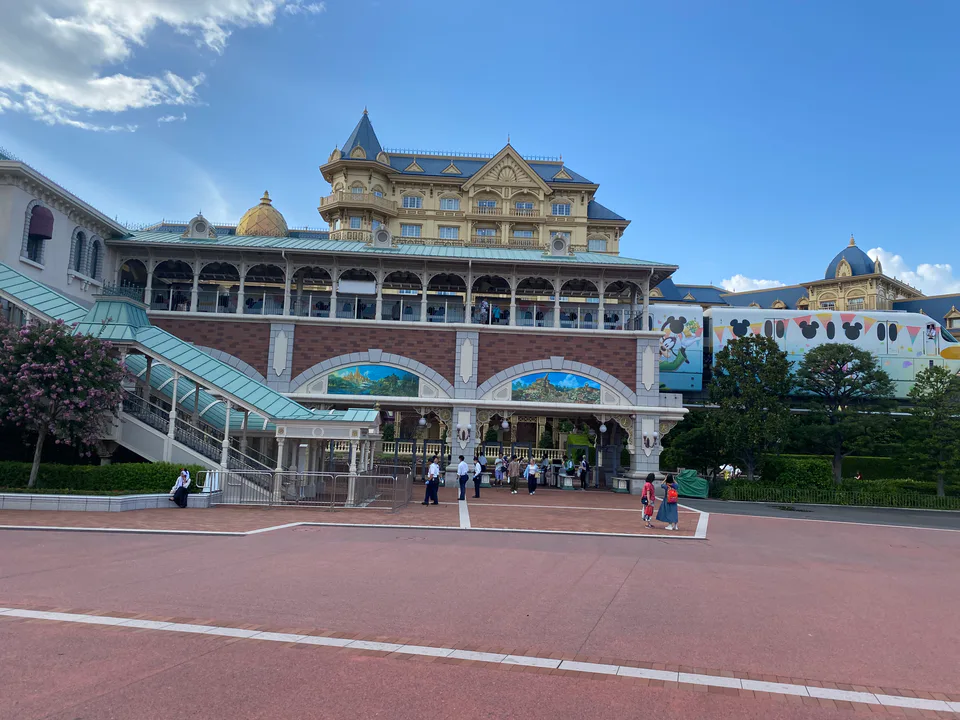
For most long-haul first-time visitors, I would choose the Tokyo Disney 3-day Vacation Package with park tickets on Days 2 and 3, not Days 1 and 2, when check-in day includes an international arrival, a long transfer or any meaningful timing uncertainty. It turns Day 1 into a positioning night, protects both paid park days from arrival delays and can give you two park mornings after sleeping in a Disney Hotel. I would switch to Days 1 and 2 when you are already positioned close enough to use Day 1 properly and Day 3 is more valuable as a clean checkout-and-onward-travel day.
There is one important 2026 correction to the usual comparison: these are not simply identical packages shifted by one day. Tokyo Disney Resort currently lists the First-and-Second-Day plan with three to five Attraction Tickets per park, while the Second-and-Third-Day plan lists three per park. Both current sample itineraries also fix the park order as Tokyo Disneyland first and Tokyo DisneySea second. Compare the exact package contents on your date instead of assuming that only the calendar changes.
Last checked August 25, 2026. Vacation Package contents, attraction allocations, Happy Entry eligibility and exclusion dates can change. Recheck the live plan and hotel rules before payment.
The 30-second decision: protect the uncertain end of the stay
↔ Scroll table left or right
Your trip shape | Better sequence | Why | Main trade-off |
International flight or long transfer on check-in day | Days 2–3 | Arrival risk cannot consume a paid park day | Day 3 becomes a checkout-day park visit |
Already staying near Maihama or eastern Tokyo before check-in | Days 1–2 | Day 1 can be a real full park day | No Happy Entry on check-in-day morning |
Day 3 has an early Shinkansen, airport transfer or ryokan check-in | Days 1–2 | Checkout day stays free of park commitments | First park day must survive check-in-day logistics |
Happy Entry is a major reason for the Disney Hotel | Usually Days 2–3 | Both park mornings can fall after a Disney Hotel night | Only if the hotel, park and date actually qualify |
If you have not yet decided whether a Vacation Package is worth buying at all, solve that first with Vacation Package vs hotel only. Sequence optimisation cannot rescue a bundle you did not need.
Days 2–3 buy an arrival buffer, not a “wasted” first day
The strongest case for the Second-and-Third-Day plan is not relaxation for its own sake. It is risk isolation. Immigration, baggage reclaim, a delayed flight, a missed airport train or a cross-Tokyo transfer all happen before the two expensive park days instead of inside one of them.
That matters more for international visitors than the raw number of hours suggests. A family that reaches the resort later than planned has not merely lost sightseeing time if Day 1 carries a park ticket; it has lost part of a fixed Vacation Package day that cannot be moved later just because the flight was late. The official Second-and-Third-Day product is explicitly structured as a pre-stay night: check in on Day 1, then visit Tokyo Disneyland on Day 2 and Tokyo DisneySea on Day 3.
If your arrival itself is fragile, resolve that upstream with the Haneda late-arrival or Narita late-arrival decision. A package should not force you to pretend an uncertain travel day is a full park day.
Days 1–2 win when Day 1 is already a Disney day before you book the package
The First-and-Second-Day plan becomes cleaner when you are already positioned. If the previous night is in Maihama, Tokyo Station or another base that lets the group reach the resort early without an airport or intercity transfer, Day 1 no longer needs a buffer. You can use Tokyo Disneyland on check-in day, stay overnight, visit Tokyo DisneySea on Day 2 and leave Day 3 free for checkout and the rest of Japan.
This sequence is especially strong when Day 3 has a fixed onward commitment: a Shinkansen to Kyoto, a Hakone or ryokan check-in, an airport transfer or another hotel whose arrival time matters. A free Day 3 lets you pack, handle luggage and move once, rather than turning a full DisneySea day into the first half of another transfer problem.
If the wider Tokyo stay is still open, compare staying near Tokyo Disney or in Tokyo before treating the package calendar as the only accommodation decision.
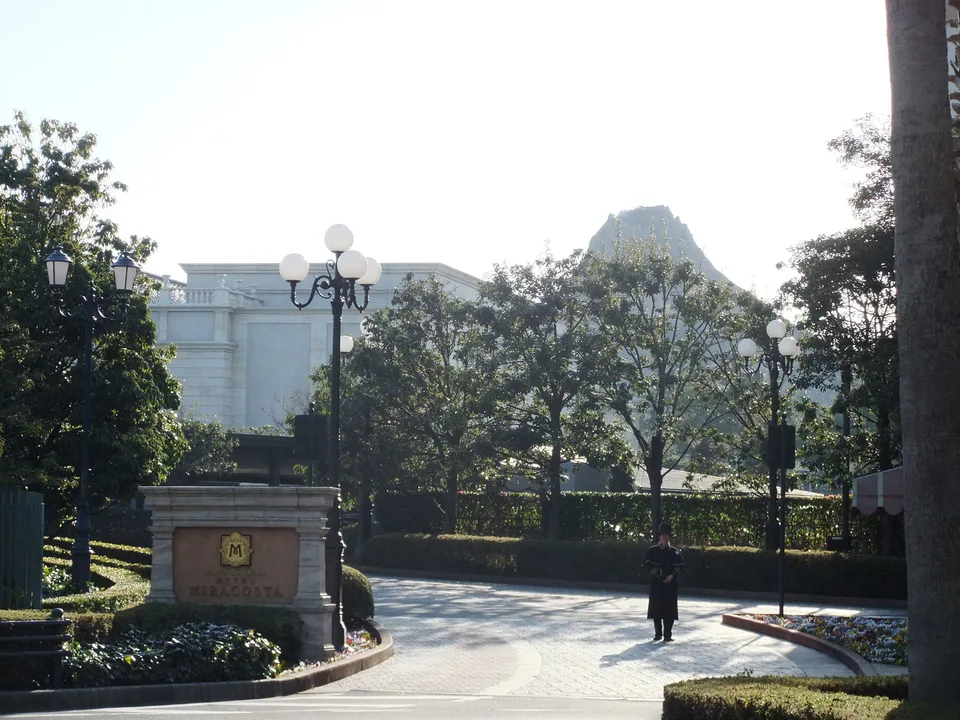
Happy Entry is a structural advantage for Days 2–3—but only after a date check
Tokyo Disney Resort currently states that Happy Entry is available during a qualifying Disney Hotel stay, including checkout day, but not on the day of check-in. That creates a real structural difference between these two package sequences.
With Days 1–2, Day 1 is check-in day, so that first park morning cannot use Happy Entry from the new stay. Day 2 can potentially use it. With Days 2–3, both park days occur after at least one hotel night: Day 2 is during the stay and Day 3 is checkout day. Both mornings can therefore be eligible in principle.
Do not convert that into a blanket “two Happy Entries versus one” promise. Eligibility still depends on the hotel, park and date. Tokyo DisneySea in particular has a narrower hotel list, and Tokyo Disneyland also has announced exclusion dates for some hotels. Use the Happy Entry value guide before paying for the Second-and-Third-Day sequence primarily for early entry.
The two versions currently have different Attraction Ticket value
This is the most important reason not to treat the two products as interchangeable. On the current official Vacation Packages page, the First-and-Second-Day plan lists Attraction Tickets valid for one venue at Tokyo Disneyland and Tokyo DisneySea at a quantity of three to five per park. The Second-and-Third-Day plan currently lists three per park.
That means a traveler who values attraction certainty very highly may rationally accept the weaker check-in-day morning if the exact First-and-Second-Day package on the booking screen includes materially more useful Attraction Tickets. Conversely, if the extra tickets are for attractions your group would not prioritise, the nominal count should not override arrival risk.
Compare the actual selections using Attraction Tickets vs Premier Access. Count only access the people in your party would genuinely use. Four included tickets are not four units of value if two family members would skip the ride.
The current products fix Disneyland first and DisneySea second
For these specific First-and-Second-Day and Second-and-Third-Day plans, Tokyo Disney Resort currently shows the same park order: Tokyo Disneyland first, Tokyo DisneySea second. The difference is whether Disneyland falls on check-in day or the following morning.
This matters because some travelers mistakenly treat the choice as a way to decide which park should go first. It is not. If your group strongly wants DisneySea first—for example because a closure, weather forecast or Fantasy Springs priority makes that day more important—neither of these two current sample structures solves that preference. Step back and check another package plan or a hotel-only strategy instead of forcing the wrong park order because the hotel inventory is attractive.
If you are still unsure which park matters more, use Tokyo Disneyland vs DisneySea before buying a fixed-order bundle.
Checkout-day DisneySea is not free of friction
The Second-and-Third-Day plan protects the arrival side of the trip, but it moves complexity to the exit side. Day 3 is both DisneySea day and checkout day. Happy Entry can still be available on checkout day, but luggage and the post-park destination must already be solved.
For a family, the practical version is to pack most luggage the night before, decide where bags will be stored or forwarded, and know what happens after DisneySea closes. If Day 4 begins with an early flight or long-distance train, finishing a full DisneySea day and then solving an onward transfer may be worse than the arrival risk you avoided.
This is the key reversal condition: choose Days 2–3 to protect the front of the stay only when the back of the stay is forgiving. If the next morning is rigid, Days 1–2 often creates the more resilient overall itinerary.
For families, the lost-hour cost is multiplied across the whole group
A solo traveler can decide that arriving three hours late is annoying but acceptable. A family of four has paid for four park admissions, four sets of package benefits and a room that may have been chosen around an exact occupancy. A late Day 1 therefore destroys more purchased value at once.
That makes Days 2–3 particularly persuasive for families arriving from overseas. The hotel night before the first park day also lets the group prepare park bags, understand the route, settle children and remove check-in from the first park morning.
But family size can also reverse the answer if Day 3 onward travel is difficult. Four people plus suitcases, a stroller and souvenirs make a checkout-day transfer much less forgiving. Compare real bed and luggage practicality in the Tokyo Disney hotels for families of four before allowing the package sequence to choose a poor room.
Do not “earn back” a bad Day 1 by forcing yourself into the park
A common sunk-cost failure mode is to choose Days 1–2, arrive later than expected and then rush into Disneyland simply because the ticket is already included. That can create the worst combination: a partial park day, an exhausted family and a weak second morning.
If Day 1 has serious travel uncertainty, the better decision happens before booking. Either choose Days 2–3, arrive near the resort the previous night, or choose a different product. The package should protect the trip from predictable risk rather than make you feel obligated to use a bad day.
One night before Disney can be more valuable than one night after it
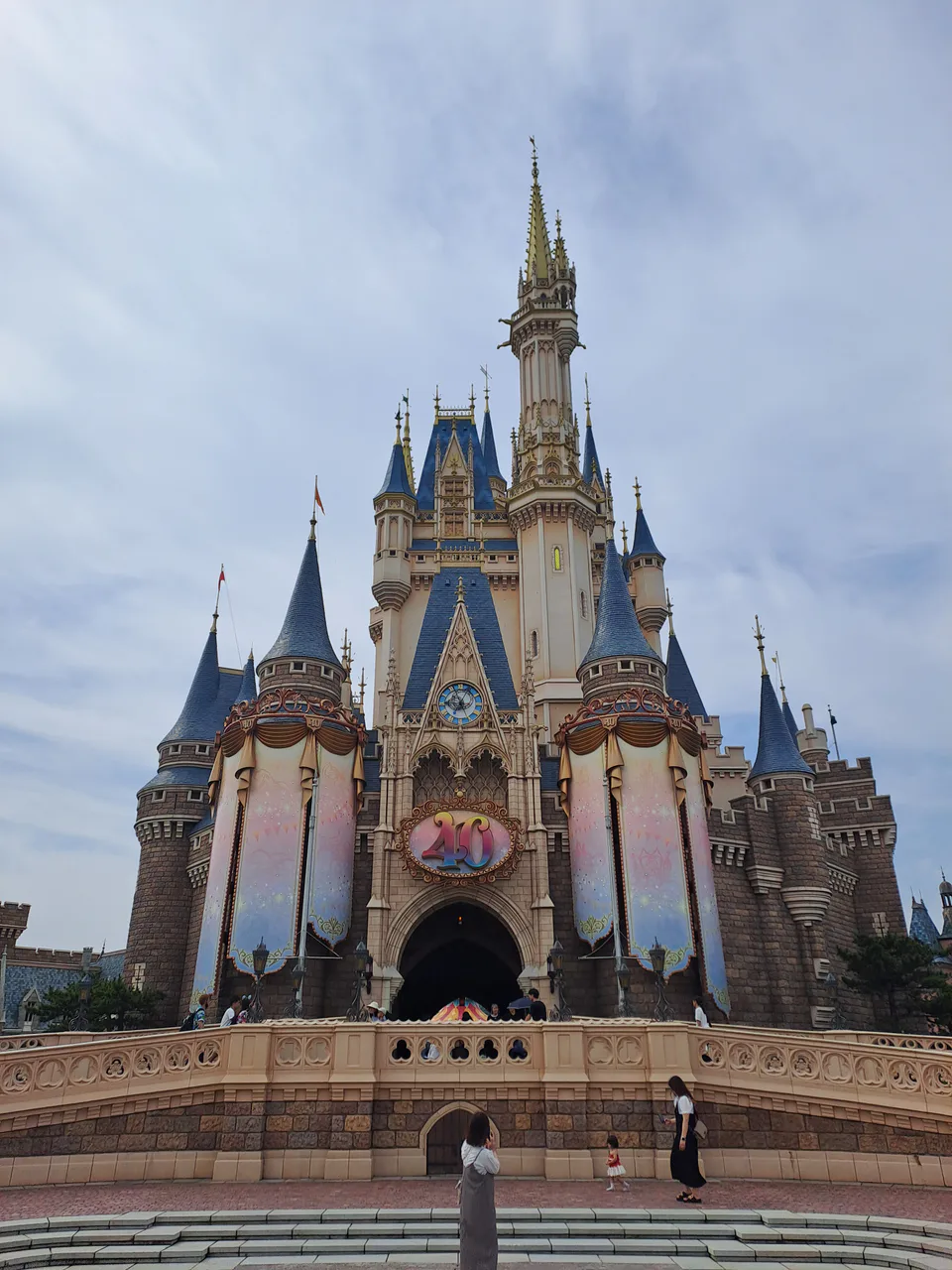
For the Second-and-Third-Day structure, the first Disney Hotel night has a clear operational job: it converts the next morning into a resort-start morning. For the First-and-Second-Day structure, the second night protects recovery after the second park day and gives you a slower checkout morning.
Neither is automatically better. Ask which hotel night solves the more expensive problem. If arrival risk is high, the pre-park night is more valuable. If the final park evening is late and the next destination does not begin until later on Day 3, the post-park hotel night can be a very useful recovery buffer.
If you are creating a wider split stay around this package, use Tokyo Disney split-stay timing so an extra hotel move does not erase the sequencing advantage.
My decision rule for international visitors
I would use three questions in order:
Is Day 1 already reliable? If it contains a flight, immigration or a long transfer, favour Days 2–3.
Is Day 3 allowed to be a full DisneySea day? If an early train, airport deadline or another fixed booking makes checkout day fragile, favour Days 1–2.
Are the current package contents materially different? Compare the actual Attraction Ticket allocation and other inclusions before paying. Do not assume the two versions are identical apart from dates.
Only after those three questions would I let hotel preference or Happy Entry break the tie.
Final verdict
For most long-haul first-time visitors, choose the Second-and-Third-Day package when Day 1 contains arrival uncertainty. It is the safer way to protect both full park days and can make both park mornings eligible for Happy Entry after a Disney Hotel night. Choose the First-and-Second-Day package when you are already positioned close enough to make Day 1 a genuine full park day and Day 3 is more valuable for checkout or onward travel.
Then compare the exact live package contents. As of August 25, 2026, the official page lists more potential Attraction Tickets in the First-and-Second-Day version than the Second-and-Third-Day version. That difference can reverse the recommendation for a group buying the package primarily for attraction certainty.