
Do not pack for “Japan’s rainy season” as if the whole country enters the same weather on June 1. JMA’s climatology puts Baiu onset around May 30 in southern Kyushu, June 4 in northern Kyushu, June 6 in Kinki/Tokai, June 7 in Kanto-Koshin and June 15 in northern Tohoku. Hokkaido is outside JMA’s Baiu framework. Okinawa is already on the other side of the cycle: its climatological withdrawal is around June 21.
That geography changes the packing decision. Tokyo, Kyoto, Osaka and Fukuoka are warm enough that breathability, wet-shoe recovery and bag protection matter more than extra insulation. Hokkaido still needs a cool-region layer. Okinawa needs heat and humidity planning, while the exact date of Baiu withdrawal remains uncertain—2026 itself is a useful warning, because JMA’s provisional assessment put Okinawa’s withdrawal around June 29, later than the climatological June 21 date.
↔ Scroll table left or right
Your June route | Weather decision | What not to assume |
Tokyo / Kyoto / Osaka | Warm, humid Baiu-capable city system: short sleeves + rain recovery | Rainy season means cool enough for heavy waterproof outerwear all day |
Fukuoka / Kyushu | Move wet-weather readiness earlier in the month | Mainland Baiu begins everywhere at the same time |
Sapporo / Hokkaido | Separate cool-region module | “No formal Baiu” means guaranteed dry weather |
Okinawa early June | Heat + humidity + active rainy-season backup | Warm water/air means every marine day will operate |
Okinawa late June | Watch the actual seasonal transition, not June 21 on a calendar | Climatological withdrawal is a guaranteed annual date |
June’s real packing problem is recovery after rain
For most city travellers, blocking every raindrop is the wrong optimisation. A non-breathable shell worn for ten humid hours can be more uncomfortable than getting slightly damp during a short shower. The higher-value question is: what happens after my shoes, socks, umbrella and day bag get wet?
I would prioritise quick-drying base layers, one compact umbrella, a light shell when the forecast justifies it, shoes with useful grip and reasonable wet performance, spare socks, and one protected pouch or compartment for electronics and documents. That is a complete wet-day system. “Umbrella + normal clothes” is not.
The Baiu calendar is regional — use it to judge flexibility, not to predict each day
JMA’s 1991–2020 climatological centre dates show the rainy-season transition moving north through Japan. Southern Kyushu is around May 30, northern Kyushu June 4, Shikoku June 5, Kinki/Chugoku/Tokai June 6, Kanto-Koshin June 7, Hokuriku June 11, southern Tohoku June 12 and northern Tohoku June 15. Hokkaido is excluded from the formal Baiu districts.
These are planning reference points, not forecast dates. JMA itself describes Baiu onset and withdrawal as a transition period that can be difficult to identify precisely. So use the calendar to decide how much flexibility your route needs, then use the actual forecast to decide what happens on Tuesday.
A Tokyo trip beginning June 2 and one beginning June 22 should not be assumed to have identical rain risk simply because both are “June.” The same is even more true when a national itinerary moves from Fukuoka to Tokyo to Sapporo.
Tokyo: humidity makes route design part of the clothing decision
Tokyo’s June normal mean is 21.9°C and the normal daily maximum is 26.1°C. That is already warm-city weather. A thick waterproof jacket can solve rain while creating a heat and humidity problem underneath.
Use short sleeves or thin long sleeves as the baseline, then carry one light layer for strong indoor air-conditioning or a cooler wet evening. The more important change is geographical: do not build a rainy day around Asakusa in the morning, Shibuya at lunch, Ueno in the afternoon and Shinjuku at night. Every cross-city move adds wet station entrances, umbrella handling and temperature changes.
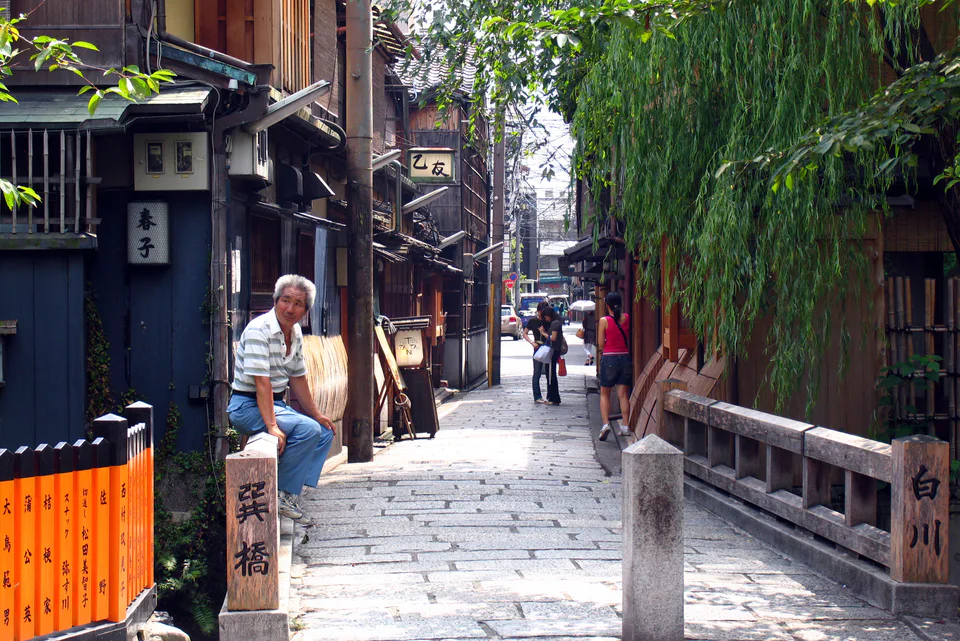
The Tokyo attractions by-area guide becomes a weather tool in June. Cluster the day first; buy rain gear second.
Kyoto: wet stone, slopes and humidity make footwear the first veto
Kyoto’s June normal daily maximum is around 28°C. Long approaches, temple stairs and exposed neighbourhood walks make that feel more like an early-summer physical-effort problem than a mild spring day.
The easiest packing mistake is focusing on the jacket. Wet stone and long walking can make poor shoes the failure point. Choose grip and all-day comfort first. If a truly waterproof shoe is stiff and uncomfortable over 15,000 steps, it can still be the wrong shoe for intermittent city rain. Match the footwear to the actual forecast and walking load.
On a sustained-rain day, cut geographic ambition. Higashiyama plus nearby indoor breaks is more resilient than trying to preserve an entire sunny-day Kyoto checklist under umbrellas.
Osaka and Fukuoka: same warmth, different timing inside the Baiu progression
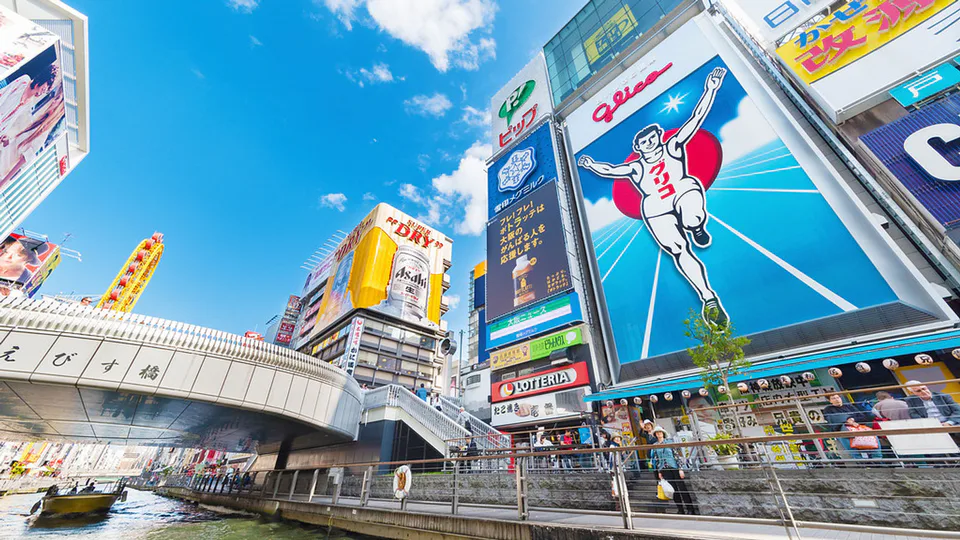
Osaka’s June normal daily maximum is about 28.0°C, while Fukuoka’s is about 27.2°C. Both are warm enough that heavy outerwear is normally unnecessary. The difference is timing: northern Kyushu’s climatological Baiu onset is around June 4, slightly earlier than Kinki’s June 6.
Do not turn those two days into fake precision. The useful implication is simply that a multi-city early-June route can enter a wetter seasonal phase earlier in Kyushu than a traveller might expect from a generic “Japan rainy season starts in June” statement.
For Fukuoka especially, build a shoe-and-sock recovery plan and keep one day flexible if the itinerary includes outdoor or coastal side trips. For Osaka, the large amount of indoor shopping, dining and transport gives you more ways to absorb a wet block without sacrificing the whole day.
Hokkaido: outside the formal Baiu system does not mean weather-proof
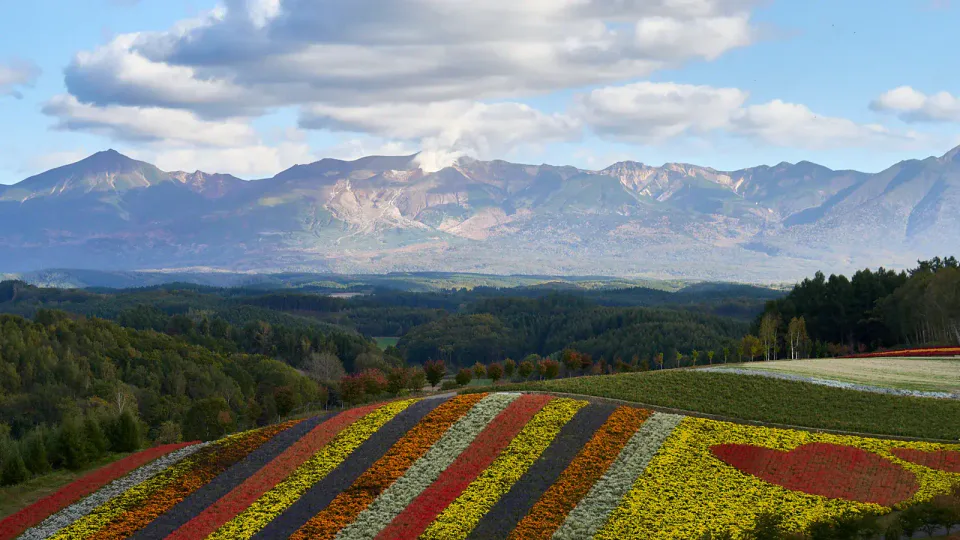
JMA’s Baiu guide explicitly excludes Hokkaido from the country’s formal rainy-season districts. Sapporo’s June mean is 17.0°C and its normal daily maximum is 21.8°C, far below Osaka or Naha.
This makes Hokkaido attractive to travellers who dislike mainland humidity, but “no Baiu” is not “no rain.” Fronts, low pressure and cool wet days still happen. Bring a light wind/rain layer and one long-sleeve option, especially for open countryside and evenings.
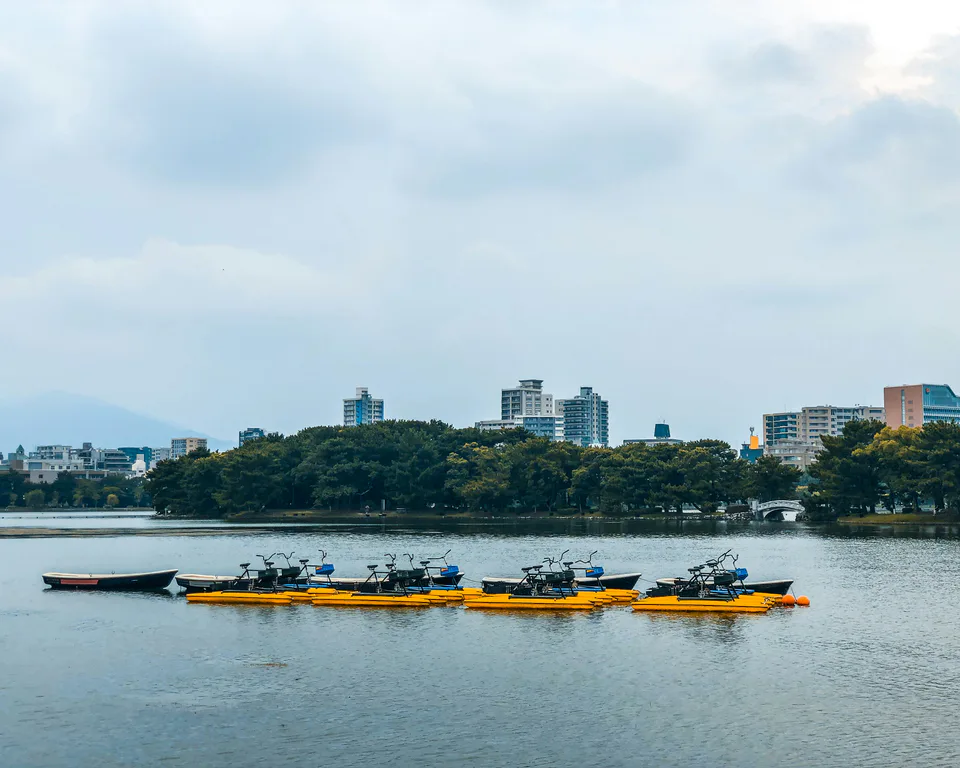
If the same trip includes Tokyo, do not pack two wardrobes. Use the Tokyo quick-dry base system and add one cooler Hokkaido mid-layer. Rural or elevated destinations should then be checked individually rather than inferred from Sapporo.
Okinawa: June contains both rainy-season and post-Baiu possibilities
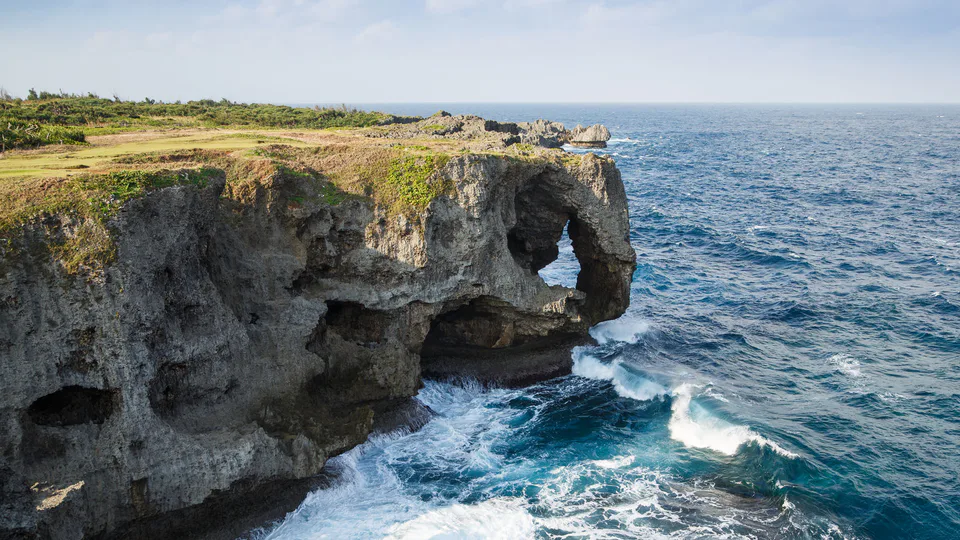
Naha’s June mean is 27.2°C and normal daily maximum 29.8°C. Warmth is not the debate. JMA’s climatological Baiu withdrawal is around June 21, but the year-to-year difference matters enough that you should not buy a non-refundable “post-rainy-season” plan from that date alone.
2026 demonstrates the point. JMA’s June 2026 monthly review said Okinawa appeared to leave Baiu around June 29 on a provisional basis. That is eight days later than the climatological centre date. A late-June traveller who had treated June 22 as guaranteed summer would have built the wrong failure assumptions.
Pack quick-dry clothes, protect electronics and leave one weather-sensitive block swappable. For snorkelling, diving or boat trips, sea conditions and operator decisions govern even when the sky looks better. Use the Okinawa rainy-day and typhoon guide as a real Plan B rather than emergency reading after cancellation.
Rain jacket or umbrella? Choose by exposure time
Mostly city, short exposed walks: compact umbrella + breathable clothes is usually the lowest-friction system.
Long outdoor temple, hiking or rural block: a proper light rain shell earns more value because wind and hands-free movement matter.
Okinawa marine day: waterproofing your bag and dry clothes matters more than keeping every worn layer dry.
Hokkaido open-country day: the shell also has a wind-management job, so it can be useful even without mainland-style Baiu humidity.
The wet-shoe test should decide whether you need a second pair
Do not automatically pack two bulky pairs. Ask a more specific question: if your main shoes are soaked at 18:00, can they be usable by 08:00 tomorrow? If the answer is no and the itinerary has several outdoor days, a light backup pair can be worth the luggage volume.
If the answer is yes—or the hotel has good drying options—spare socks and shoe care may be enough. The backup shoe is an operational choice, not a universal June rule.
Three itinerary adjustments that beat buying more rain gear
Keep one day movable. Put the most weather-sensitive garden, mountain or coastal block on the clearer day.
Cluster geography. Reduce long wet transfers and repeated umbrella handling.
Give every outdoor day an indoor neighbour. A museum, market, shopping district or onsen lets you shorten rather than abandon the day.
This is the deletion test for June packing: if the itinerary collapses whenever it rains for four hours, the problem is not your jacket.
Final verdict
June in Japan is warm-weather packing plus regional rain-phase planning. Tokyo, Kyoto, Osaka and Fukuoka need breathable clothes, rain recovery and flexible routes—not extra winter layers. Hokkaido needs a cooler module but is outside JMA’s formal Baiu system. Okinawa is hot throughout the month, yet its rainy-season withdrawal can move well away from the June 21 climatological reference.
Pack one system that recovers well after getting wet, then let the actual forecast determine the daily shell and itinerary. The goal is not to stay perfectly dry for two weeks. It is to prevent one wet afternoon from ruining the next morning.
7 Day Japan Autumn Leaves Itinerary: Hokkaido, Tohoku, Tokyo, Kyoto or Kyushu
Japan in February Is Still Winter: What to Wear in Tokyo, Kyoto, Hokkaido and Okinawa
Best Place for a First Japan Autumn Trip: Tokyo, Kyoto, Hokkaido or Tohoku?
Hokkaido Itinerary by Region: Choose the Season Before the Route
Tokyo Game Show 2026 Fast Ticket Is Not a Fast Pass — Buy It Only If You Know Your First Booth
References
Japan Meteorological Agency — Climatological Normals 1991–2020 · Japan Meteorological Agency — climatological Baiu onset and withdrawal by district · Japan Meteorological Agency — June 2026 monthly weather review. Baiu dates are transition estimates, not fixed annual deadlines; check the forecast and current JMA information for your travel dates.