
Japan weather in February is still winter weather for most first-time routes. Tokyo, Kyoto and Osaka need a proper coat; Sapporo is still deep-winter territory with snow and sub-zero mornings; Okinawa is mild enough that the same heavy coat can become luggage you carry for no reason. The useful question is not “Is Japan cold in February?” but “Which Japan are you packing for?”
If your trip crosses regions, build the suitcase around the coldest outdoor day and make the warmest layer removable. That usually means city-winter layers for Tokyo and Kansai, true snow footwear for Hokkaido, and a much lighter windproof setup for Okinawa.
30-Second Verdict: What to Wear in Japan in February
↔ Scroll table left or right
Region | Mean | Typical high | Typical low | Packing default |
Tokyo | 6.1°C | 10.9°C | 2.1°C | Winter coat + removable mid-layer |
Kyoto | 5.4°C | 10.0°C | 1.6°C | Warm coat; colder mornings matter |
Osaka | 6.6°C | 10.5°C | 3.2°C | Winter coat, lighter than Hokkaido gear |
Sapporo | -2.7°C | 0.4°C | -6.2°C | Insulated outerwear + snow-ready shoes |
Fukuoka | 7.8°C | 11.6°C | 4.4°C | Jacket/coat + layers |
Naha | 17.5°C | 20.2°C | 15.1°C | Light jacket or windproof layer |
These are Japan Meteorological Agency 1991–2020 climate normals, not a forecast for your exact travel dates. A cold snap, rain, wind or snow can make a particular day feel very different, so recheck the forecast before departure.
Tokyo in February: Winter Coat, Not Spring Packing
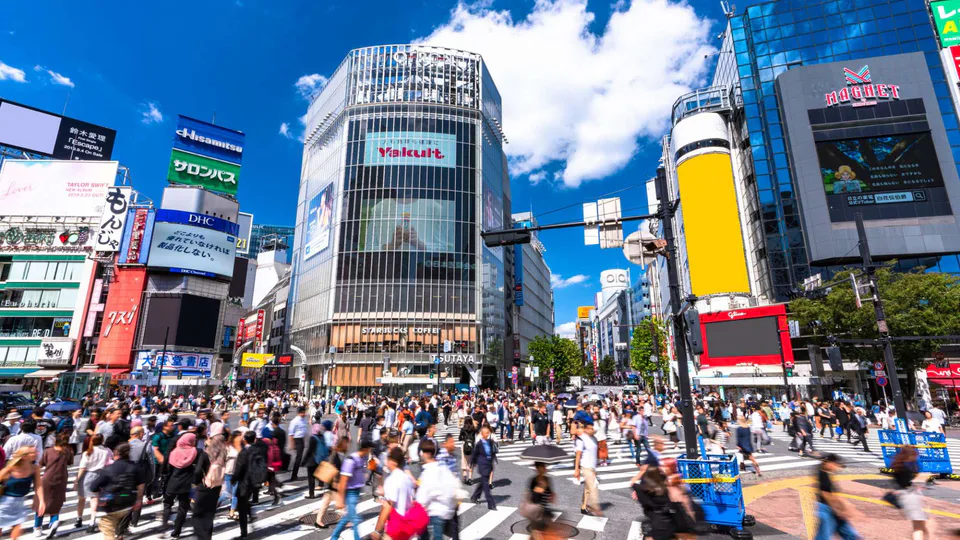
Tokyo averages 6.1°C in February, with a normal daytime high around 10.9°C and a low around 2.1°C. That is slightly milder than January, but not enough to pack as if spring has arrived. If your days involve long outdoor blocks, use a warm coat over a knit, fleece or light insulated mid-layer. If you are still building the trip, the Tokyo itinerary guide helps you decide how many full outdoor days you actually need.
The bigger mistake is over-insulating for the train. Tokyo stations, department stores and restaurants can feel much warmer than the street, so one giant non-removable layer becomes annoying. Two adjustable layers are usually easier to live with. When you are grouping neighborhoods, the Tokyo attractions guide helps reduce repeated cold walks and transfers.
If Mount Fuji or another weather-sensitive day trip is part of the plan, keep that day movable when possible. The Tokyo day-trip comparison separates destinations where weather changes the value of the day from those that still work with a grey forecast.
Kyoto and Osaka: Similar Numbers, Different Daily Friction
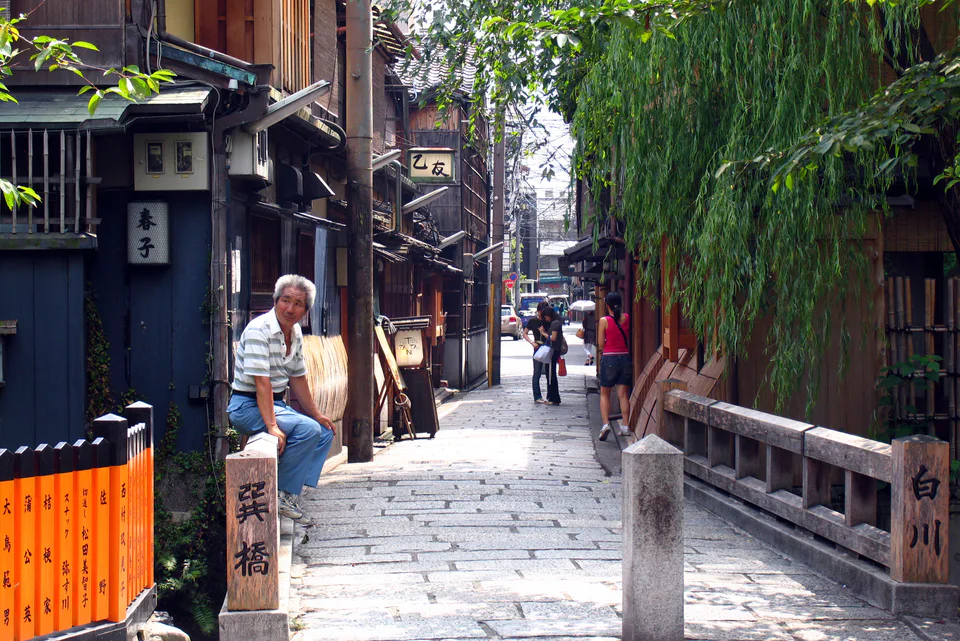
Kyoto’s February normal is about 5.4°C, with a typical high near 10.0°C and low near 1.6°C. Osaka is slightly milder at 6.6°C, with a high around 10.5°C and low around 3.2°C. On paper the difference looks small. In practice, Kyoto often exposes you to more outdoor walking, temple grounds and early starts, so the colder end of the day matters more than the afternoon number.
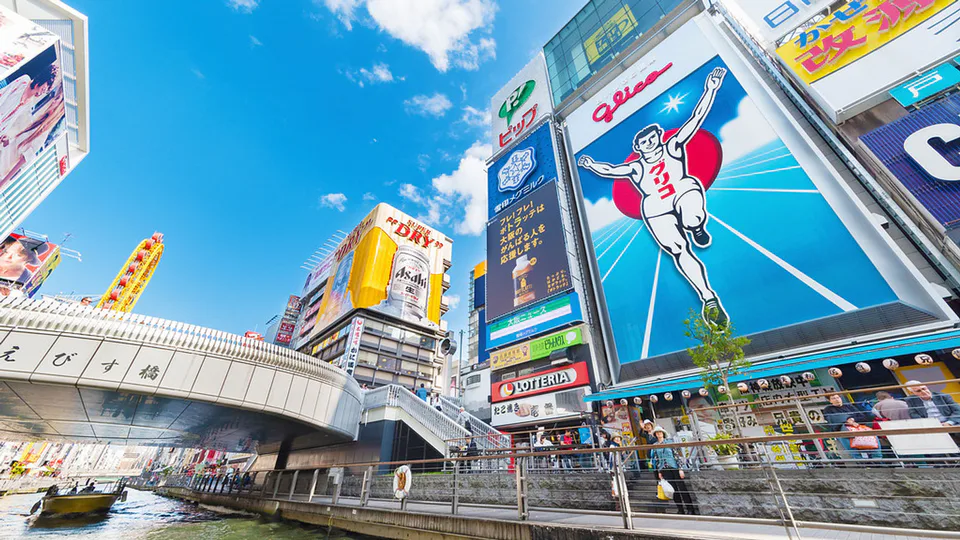
For Osaka, a normal city-winter coat is usually enough if you can add or remove a mid-layer. You can also reduce time outside by grouping neighborhoods rather than crossing the city repeatedly; the Osaka attractions guide is built around that trade-off.
Arriving through KIX with large luggage? February clothing makes bags bulkier, so the first transfer matters more than it does in a light-packing season. Check the Kansai Airport to Osaka guide before choosing a train solely by headline journey time.
Hokkaido in February: This Is Still Deep Winter
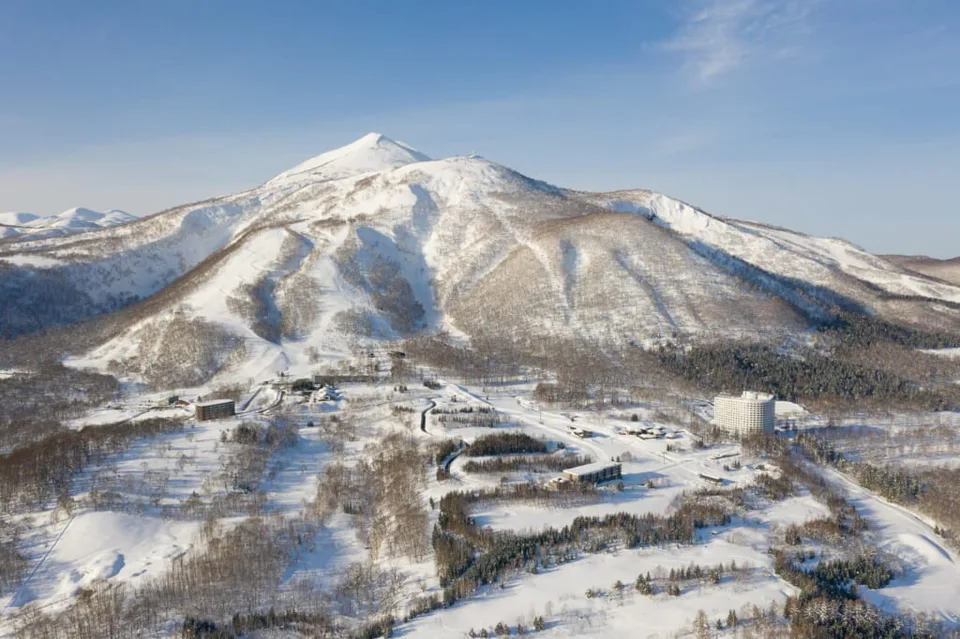
Sapporo’s February normal temperature is -2.7°C, with a normal high of just 0.4°C and a low of -6.2°C. That is a different category of trip from Tokyo or Osaka. A warm coat alone does not solve the main problem: you also need footwear and traction that can cope with packed snow, ice and slush.
For a first winter trip, waterproof or water-resistant boots with a grippy sole matter more than squeezing another sweater into the suitcase. Then decide how much of Hokkaido you actually want to cover. The Hokkaido winter itinerary comparison shows why adding more cities can turn a winter holiday into a luggage-transfer exercise.
If you do not want to drive on snow, that does not automatically make Hokkaido impractical. The 7-day Hokkaido itinerary without a car is designed around rail and realistic winter movement. If you are considering a rental car anyway, read the full-trip vs partial winter rental comparison before treating a car as the default solution.
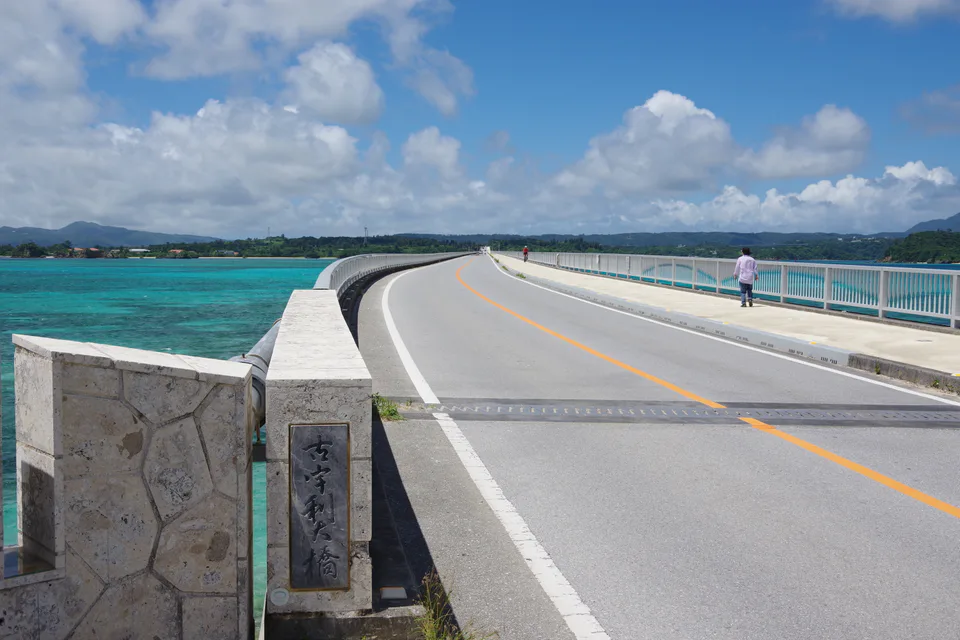
Okinawa in February: Leave the Heavy Coat Behind
Naha’s February normal is 17.5°C, with a typical high around 20.2°C and low around 15.1°C. That does not mean beach-summer weather every day, but it does mean a Tokyo or Sapporo coat is usually excessive. A light jacket, windproof shell or cardigan-style mid-layer is far easier to use.
Wind and cloud can make the coast feel cooler than the thermometer suggests, so do not pack only T-shirts. But if the whole trip is Okinawa, do not build your suitcase around mainland winter. If you are still choosing a base, the Okinawa hotel-area decision guide helps you decide whether Naha, Chatan, Onna or another area fits the way you will actually move.
Outdoor marine activities are especially weather-dependent in February. If something like parasailing is part of the trip, treat it as a flexible slot rather than the only reason for a day. The Okinawa parasailing area comparison explains why boat time, departure area and conditions matter more than advertised flight minutes.
Fukuoka in February: Mild for Mainland Japan, Still Jacket Weather
Fukuoka averages 7.8°C in February, with a normal high around 11.6°C and low around 4.4°C. It is one of the milder major-city stops on a standard mainland route, but that is not the same as warm. A coat or warm jacket still earns its place, especially for evenings, waterfront wind and longer outdoor food or sightseeing stops.
If your itinerary continues to Tokyo or Kansai, Fukuoka does not require a separate clothing system. The same city-winter layers can work; you simply use fewer of them during the warmest part of the day.
The Best February Packing System Is Three Adjustable Layers
For Tokyo, Kyoto, Osaka and Fukuoka, build around three jobs rather than three specific garments: a base layer that stays comfortable indoors, a removable mid-layer that adds warmth, and an outer layer that blocks wind. The exact materials matter less than the ability to take one layer off when you enter a heated train or shopping centre.
Base: a normal long-sleeve top or thermal layer if you run cold.
Mid-layer: knit, fleece, light down or another packable warm layer.
Outer: a winter coat or wind-resistant jacket appropriate to the coldest city on your route.
Accessories: scarf and gloves are small, easy to remove and often more useful than making the whole outfit heavier.
For Hokkaido, upgrade the outer layer and footwear. For Okinawa, downgrade the outer layer and keep the mid-layer optional. That is a better system than packing one “Japan winter outfit” and repeating it everywhere.
Shoes Matter More Than One More Sweater
In Tokyo, Osaka, Kyoto and Fukuoka, comfortable walking shoes are usually the priority; waterproofing is a bonus if the forecast looks wet. In Sapporo and other snowy Hokkaido destinations, the shoe decision changes. Flat fashion sneakers can become the weak point even when the rest of your clothing is warm.
Think about where your feet will be for eight hours, not how the shoes look in the hotel mirror. Snow, slush and ice can punish poor grip long before cold air becomes the main problem.
Tokyo + Hokkaido in One Trip: Pack for Snow, Then Compress the City Days
This combination creates the biggest packing conflict. If you bring full Hokkaido gear, you may feel overdressed in Tokyo; if you pack only for Tokyo, you can be underprepared in Sapporo. The cleanest solution is one genuinely warm outer layer, one removable city mid-layer, and one pair of snow-capable shoes that you are willing to wear on the coldest days.
The itinerary matters just as much as the clothes. If Hokkaido is only a short add-on, check whether the transfer is worth the luggage burden before committing. The Hokkaido winter itinerary guide frames 5, 7 and 10 days around how much moving you can realistically absorb.
Tokyo + Okinawa in One Trip: Your Coat Becomes Dead Weight
This is the opposite problem. The Tokyo coat that feels correct at 8°C can be awkward in Naha near 20°C. Wear the bulky outer layer on the flight rather than giving it half the suitcase, and make sure everything underneath still works as a normal outfit once you reach Okinawa.
If the trip is mostly Okinawa with only a short Tokyo stop, do not let the coldest two days dictate every other outfit. One compact warm layer is more efficient than packing a full winter wardrobe.
Late February Can Feel Milder — But Do Not Pack for Spring Yet
February trends warmer as the month progresses, especially in Tokyo and Kansai, but the monthly average does not guarantee a mild final week. Cold snaps still happen, mornings remain chilly, and a sunny midday can tempt you into leaving the coat at the hotel just before the temperature drops again after sunset.
Use late-February warmth as permission to choose flexible layers, not as proof that a spring jacket will be enough.
Rain, Snow and Indoor Heating Change the Real Feel
Temperature tables are useful for choosing a clothing category, but they do not tell you how a day feels. Wind can make a mild Okinawa day feel cooler; rain can make 7°C in Tokyo unpleasant; strong indoor heating can make a perfect outdoor outfit uncomfortable on trains.
That is why a single “feels like” number weeks before the trip is not very useful. Pack a system that handles adjustment, then use the short-range forecast to decide which layers you actually wear each day.
February Packing List: What I Would Actually Bring
Tokyo/Kyoto/Osaka/Fukuoka: one proper coat or warm jacket, 2–3 mid-layers, long trousers, comfortable walking shoes, compact scarf/gloves if you run cold.
Hokkaido: insulated outerwear, warm base layers, gloves, hat, neck protection and snow-ready footwear with grip.
Okinawa: light jacket or shell, long-sleeve layers, normal walking shoes, and lighter daytime tops.
Mixed-region trip: pack for the coldest destination, but make every layer below the coat usable on its own.
You will probably check weather, train disruption information and maps more often on a winter trip. If mobile data is still on your pre-trip list, the Japan eSIM guide explains data sizes, activation and network trade-offs without turning this packing article into a product pitch.
What to Check 3–7 Days Before Departure
The forecast for each city, not one generic “Japan” forecast.
Nighttime lows on the days you expect to stay out late.
Snow or freezing conditions if you are heading to Hokkaido or mountain areas.
Rain and wind for Okinawa, especially if you booked outdoor marine activities.
Transport alerts if weather could affect flights, trains or road travel.
Climate normals are for packing strategy. The forecast is for the actual coat, shoes and backup plan you use on that date.
FAQ: Japan Weather in February
Is February a good month to visit Japan?
Yes if you are comfortable with winter conditions and pack by region. It can be especially good for travelers who prefer cooler city sightseeing or want a proper snow trip in Hokkaido. It is less forgiving if you dislike cold mornings, icy walking or weather-sensitive outdoor plans.
Does it snow in Tokyo in February?
Snow is possible, but you should not pack for Tokyo as if it were Sapporo. For most city days, normal winter clothing and good walking shoes are the practical default; check the short-range forecast if snow is predicted for your dates.
Do I need a down jacket in Tokyo in February?
Not everyone does. A warm coat with a removable mid-layer can work well. If you run cold, spend long hours outdoors or have late-night plans, a down jacket can be comfortable. The key is not the label on the coat but whether you can adjust indoors.
Can I wear sneakers in Hokkaido in February?
Ordinary smooth-soled sneakers are a poor default for snowy or icy streets. Prioritize grip and water resistance. Footwear is one of the few February packing choices where Hokkaido genuinely needs a different answer from Tokyo and Osaka.
Is Okinawa warm in February?
It is mild compared with mainland Japan, with Naha normals around 17.5°C, but it is not guaranteed beach weather. Wind, clouds and rain can still make a light jacket useful.
Bottom Line: Pack for the Region, Not the Country
For a standard Tokyo–Kyoto–Osaka route, February means winter coat, adjustable layers and comfortable shoes. For Hokkaido, add genuine snow protection. For Okinawa, remove the heavy coat and keep a light windproof layer instead.
The biggest February packing mistake is trying to make one fixed outfit work across all of Japan. Build around the coldest outdoor day, keep the middle layers removable, and check the forecast again just before you leave. That gives you a suitcase that works when the map changes climate faster than the calendar changes season.