
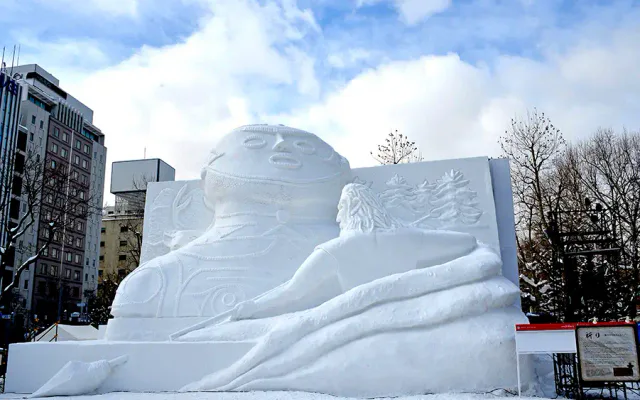
Japan in January is not one winter. JMA 1991–2020 climate normals put Tokyo at a 5.4°C monthly mean, Osaka at 6.2°C and Sapporo at -3.2°C, while Naha in Okinawa sits at 17.3°C. If your trip crosses Hokkaido and Okinawa, “pack a warm coat” is not useful advice: you are packing for climates that can differ by more than 20°C on the same calendar day.
The simplest rule is to build one reusable core — base layer, removable mid-layer and an outer layer — then change only the outerwear, footwear and cold-weather accessories by region. Tokyo, Osaka, Kyoto and Fukuoka can share most of the same city-winter wardrobe. Hokkaido needs waterproofing and traction. Okinawa needs wind protection and flexibility, not maximum insulation.
Japan January weather: the number that matters is not the national average
A search for “Japan January weather” often produces one temperature range for the country. That is almost useless for packing. What changes your day is the morning low, how many hours you will stay outdoors, whether the ground is wet or icy, and how often you move into heated trains, department stores and restaurants.
↔ Scroll table left or right
Area | January climate normal | Typical daily high / low | Packing priority |
Tokyo | 5.4°C mean | 9.8°C / 1.2°C | Removable layers; avoid one ultra-heavy indoor-unfriendly outfit |
Osaka | 6.2°C mean | 9.7°C / 3.0°C | Medium coat plus a light mid-layer; scarf for evenings |
Kyoto | Around 5°C in early/mid-January | Around 9°C days, near 1–2°C mornings | Add a layer for temple mornings instead of packing a second coat |
Fukuoka | 6.9°C mean | 10.2°C / 3.9°C | Wind protection matters more than bringing your thickest down jacket |
Sapporo | -3.2°C mean | -0.4°C / -6.4°C | Water-resistant footwear, traction, gloves and head warmth first |
Naha, Okinawa | 17.3°C mean | 19.8°C / 14.9°C | Windproof shell plus removable mid-layer; heavy down is usually unnecessary |
These are climate normals, not a forecast for a future travel date. Use Japan Meteorological Agency climate normals to choose the type of clothes you need, then check the 7–10 day forecast before departure to decide which layer you will actually wear on each day.
Tokyo in January: the easiest mistake is dressing for the coldest 20 minutes of the day
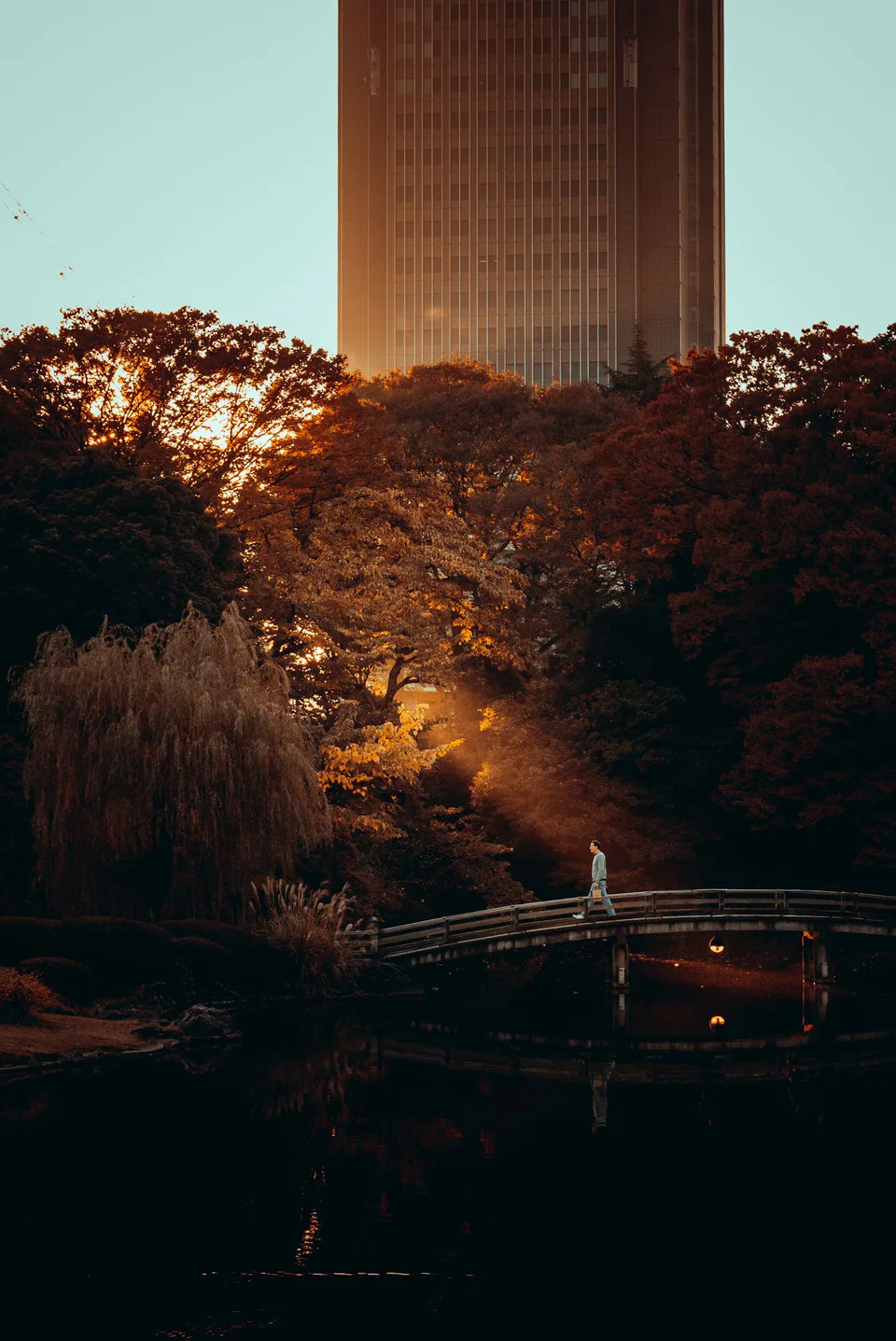
Tokyo’s January normal daily high is 9.8°C and the normal low is 1.2°C. That is cold enough for a proper winter coat, especially early and late in the day, but Tokyo travel repeatedly moves you between outdoor streets and heated indoor spaces. An outfit that feels perfect at 7 a.m. can feel miserable inside a train or department store twenty minutes later.
For most city sightseeing, a light thermal or normal base layer, one sweater or fleece and a wind-resistant coat is more practical than stacking several thick pieces. If you run cold, use a down jacket as the outer layer, but keep the mid-layer removable. Gloves and a scarf are often more efficient than adding another bulky sweater.
Your itinerary changes the answer. If you are building a 4-, 5- or 7-day Tokyo itinerary, separate city days from Fuji or other long outdoor day trips. On city days, the coldest exposure is usually morning and evening. Long viewpoints, open-air waits and day trips justify better hand, head and neck protection. If you still have too many sights, use the Tokyo attractions grouping guide to cut cross-city backtracking before you solve the problem by packing more clothes.
Osaka and Kyoto: one shared winter wardrobe, but Kyoto mornings need the extra layer
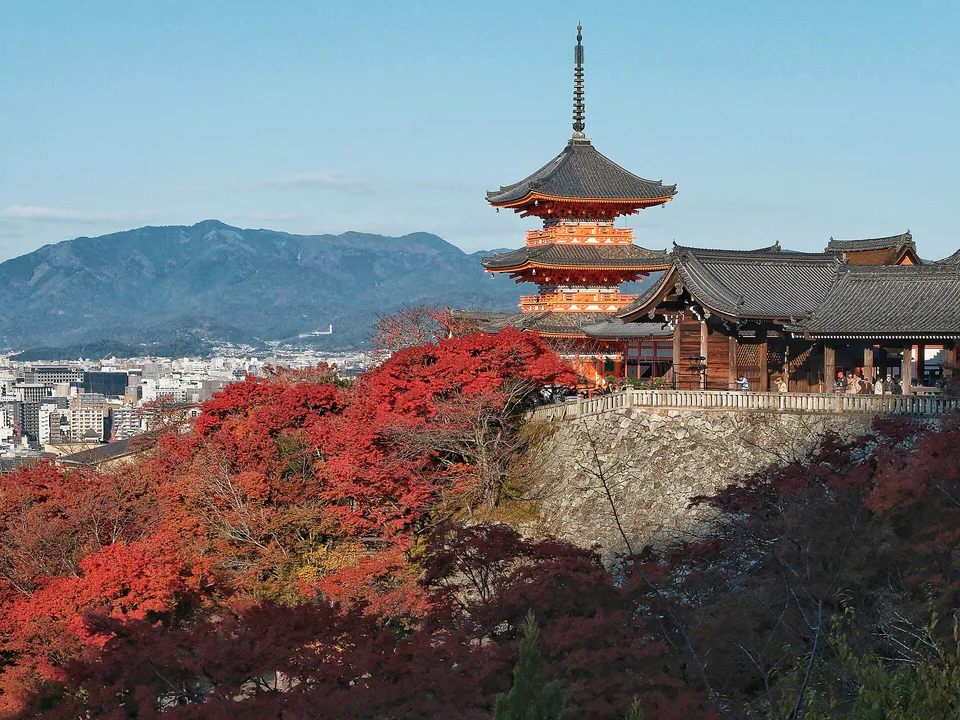
Osaka’s January normal is 6.2°C, with a normal high of 9.7°C and low of 3.0°C. In practical terms, you do not need a separate Osaka wardrobe from Tokyo. The bigger difference appears when an Osaka trip includes early mornings in Kyoto, where temple and shrine days keep you outside longer and often start before the city has warmed up.
The efficient strategy is not “bring a thicker Kyoto coat.” Keep the same coat and add one packable mid-layer for Kyoto mornings. In Osaka, days built around Namba, Shinsaibashi, Umeda and shopping areas involve much more indoor time, so removable layers matter more. The Osaka attractions guide helps keep those neighborhoods together instead of creating extra transfers and cold waits.
If you land at Kansai Airport with a large winter suitcase, also check Kansai Airport to Osaka by hotel area. A route with fewer awkward transfers can save more energy than obsessing over whether your coat is rated for two degrees colder.
Sapporo and Hokkaido: footwear can ruin the trip before your coat does
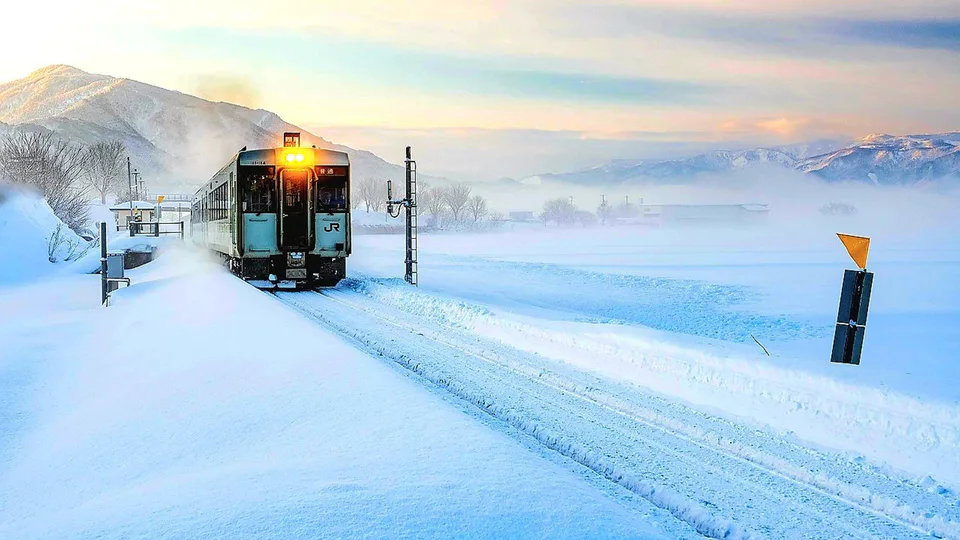
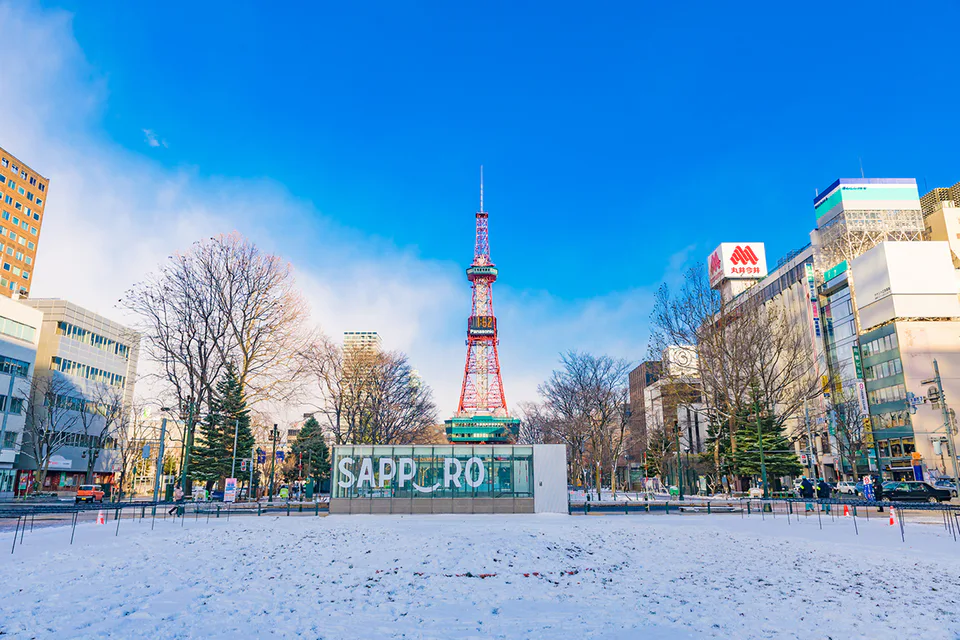
Sapporo is a different packing problem. Its January normal mean is -3.2°C, with a normal daily high of -0.4°C and low of -6.4°C. First-time snow travelers often spend all their attention on the jacket and then wear mesh running shoes. That is backwards. Wet uppers, compacted snow and icy surfaces can make every walk slower and more tiring even if your torso is warm.
For Hokkaido, prioritize a water-resistant upper, useful traction, warm socks, gloves and a hat that covers the ears. Then decide how insulated your outer layer needs to be. Base layers should still breathe because stations, malls, hotels and restaurants are heated.
Before packing for Sapporo, Otaru, Noboribetsu or Furano, look at the Hokkaido winter itinerary for 5, 7 or 10 days. The key question is how many days actually place you outdoors for long stretches. If Sapporo is your base, where to stay in Sapporo matters more in winter than it does in mild weather: an extra ten minutes on snowy streets with luggage is a real daily cost.
If you are driving or spending time outside Sapporo, mobile coverage also becomes a different decision. Compare a Hokkaido-focused eSIM setup with your normal city plan before you assume the same data product is equally useful in every part of Japan.
Fukuoka in January: milder does not mean coat-free
Fukuoka’s January mean is 6.9°C, with a normal high of 10.2°C and low of 3.9°C. It is milder than Tokyo or Kyoto, but not warm enough to treat winter clothing as optional. Wind can make evenings by the river, yatai areas or exposed transit stops feel colder than the temperature suggests.
The useful part is that Fukuoka shares the same core packing system as Tokyo and Osaka. One medium winter coat plus a compact mid-layer works across all three. You do not need a dedicated “Fukuoka jacket,” which is exactly the kind of duplicate item that quietly turns a seven-day suitcase into a checked-bag problem.
Okinawa in January: the heavy down jacket is usually the item you regret bringing
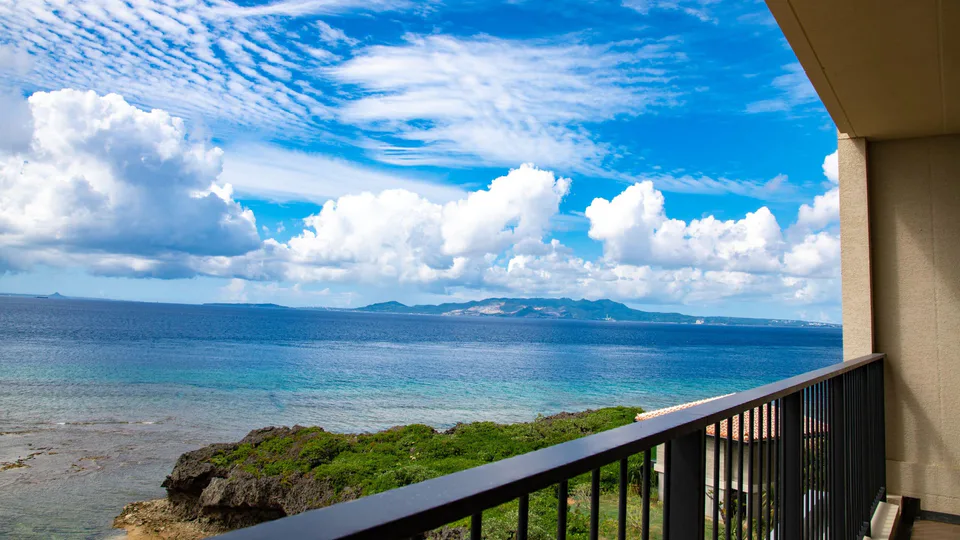
Naha’s January normal mean is 17.3°C, with a normal high of 19.8°C and low of 14.9°C. That is a completely different wardrobe from Sapporo. On a sunny afternoon, a heavy down jacket can become dead weight. The complication is wind: coastal viewpoints and cloudy evenings can feel cooler than the number on your weather app.
A light long-sleeve or T-shirt base, a removable sweater or fleece and a windproof shell is usually a more adaptable system. If your whole trip is Okinawa, do not copy a mainland Japan winter checklist just because the month is January. Use the first-time Okinawa travel guide to see how much time your route actually spends in a car, indoors, on the coast or outdoors after dark.
For connectivity, Okinawa is another reason not to treat Japan as one uniform trip. If you are driving to the north or adding islands, compare an Okinawa eSIM for road trips and islands rather than choosing only by headline data allowance.
A 5–7 day packing list: build a shared core instead of one outfit per city
The best way to reduce luggage is not to pack fewer days of clothes. It is to make every layer work in more than one destination. For a typical 5–7 day Japan trip, build the suitcase in four parts:
Base layers: 2–3 interchangeable tops. Choose quick-drying fabrics; add thermal underwear only if you actually run cold or have long outdoor days.
Mid-layer: one sweater, fleece or light down piece that works in Tokyo, Osaka, Kyoto and Fukuoka.
Outer layer: a wind-resistant city coat for Honshu/Kyushu; upgrade to stronger waterproofing and insulation for Hokkaido; downgrade to a light shell for Okinawa.
Accessories: scarf, gloves and beanie. These take less suitcase space than carrying a second heavy coat and are easy to add only on cold days.
Shoes: comfortable walking shoes for normal city travel; separate snow/ice requirements from ordinary cold-weather footwear.
Once the suitcase is sorted, the same pre-trip session is a good time to set up your Japan eSIM before departure rather than troubleshooting it after landing. For a one-week trip, compare 5GB, 10GB, 20GB and unlimited 7-day eSIM plans based on actual map, social and hotspot use.
Tokyo + Hokkaido or Kansai + Okinawa: use one packable “temperature-gap layer”
Mixed-climate trips are where people overpack. If you fly from Tokyo to Hokkaido, keep the Tokyo core and add a compact insulating layer plus the Hokkaido-specific shoes and accessories. If you go from Kansai to Okinawa, do the reverse: keep a thin base and mid-layer that can still work in Naha, and let the heavy coat stay compressed in your luggage once you head south.
This is why “one outfit for every day” is the wrong packing model. Think in functions: indoor base, removable insulation, weather shell, snow footwear, cold accessories. Once each function is covered, you can repeat combinations without feeling like you are wearing the exact same outfit every day.
What to check 7–10 days before your flight
Climate normals tell you what January is usually like. They do not tell you whether your specific week will be unusually warm, windy, snowy or wet. Before final packing, check four things for every destination: forecast minimum temperature, precipitation or snowfall, wind, and the timing of your longest outdoor block.
Minimum temperature: this tells you whether gloves, thermal leggings or the warmer mid-layer are worth packing.
Rain or snow: this changes shoes and outerwear more than it changes your sweater choice.
Wind: especially important in Okinawa, coastal Fukuoka and exposed viewpoints.
Outdoor duration: three hours at a shrine, ski area or viewpoint needs more protection than ten minutes between train stations.
If the forecast turns bad, change the route before you panic-buy gear. Tokyo has indoor-heavy alternatives, and Okinawa itineraries often need a different backup strategy when wind or rain disrupt outdoor activities.
Quick answers: Japan in January
Do I need a down jacket in Tokyo in January?
For many travelers, yes — but it does not need to be your warmest expedition-style down. Tokyo’s normal January high is just under 10°C, while mornings can sit close to freezing. The better question is whether your jacket opens easily and whether the layers underneath can be removed indoors.
Can I wear sneakers in Sapporo in January?
Ordinary sneakers can be a poor choice if the upper absorbs water or the sole has weak traction. The problem is not only temperature; packed snow and ice change how safely and comfortably you can walk.
Is Okinawa warm in January?
Compared with Tokyo or Hokkaido, yes. Naha’s January normal mean is 17.3°C. But “warm” does not mean beach-summer conditions every day. Windproof outerwear and a removable layer are still useful, especially on cloudy or coastal days.
Bottom line: pack by climate zone, not by the word “Japan”
For Tokyo, Osaka, Kyoto and Fukuoka, one flexible city-winter system can cover most days. For Hokkaido, upgrade the shoes, waterproofing and accessories before you simply buy a thicker coat. For Okinawa, remove insulation and keep wind protection. That approach gives you a smaller suitcase and a much better chance of being comfortable both outdoors and inside Japan’s heated transport and shopping spaces.
Sources
Temperature figures use Japan Meteorological Agency 1991–2020 climatological normals. They are long-term averages, not forecasts for a specific future date. Check current forecasts and transport conditions again before departure.