A Naoshima day trip from Takamatsu deserves one of your few full days only if you can name the art or architecture you are going for. “I want Chichu Art Museum,” “I want the Tadao Ando architecture,” or “Naoshima is the main reason I chose Takamatsu” are strong reasons. “I saw the pumpkin on Instagram” is not enough on a four-day trip that also has Ritsurin Garden, Kotohira, Shodoshima and Takamatsu itself competing for time.
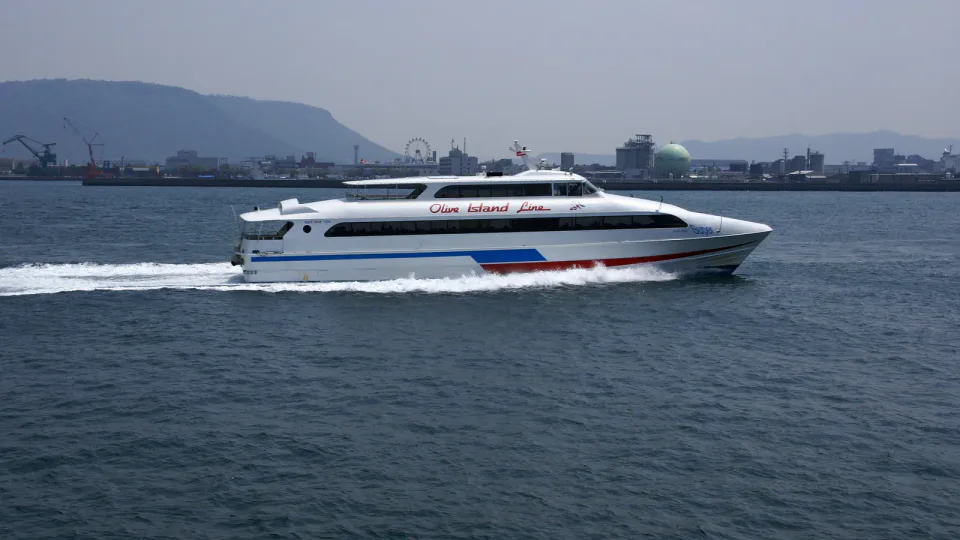
The island is close in distance but rigid in structure. Ferries create the outer time window; several art facilities use date/time tickets; island buses, walking or cycling create the inner transport layer. Naoshima is therefore a full-day reservation chain, not a 50-minute ferry plus a museum.
Naoshima decision table: does the island earn one of your full days?
↔ Scroll table left or right
| Your situation | ValueNavi call | Why |
|---|---|---|
| Chichu or specific architecture is a trip priority | Add Naoshima | The experience is difficult to replace elsewhere in Takamatsu. |
| Only want the pumpkin / vague FOMO | Skip it | The ferry and reservation chain is too much itinerary cost for a weak priority. |
| Naoshima + Shodoshima both fixed in four days | Call it an island-hopping trip | Two full days are now controlled by sea transport; Takamatsu city becomes secondary. |
| Hate timed tickets and fixed return ferries | Poor fit | The island is least enjoyable when every fixed time feels like a constraint. |
| One Naoshima day only | Keep the Takamatsu hotel | A hotel move usually adds more friction than the saved ferry leg is worth. |
| Two art days / sunrise / sunset matter | Consider staying on the island | The room now buys otherwise inaccessible island time. |
ValueNavi Score: Naoshima as a day trip inside a four-day Takamatsu trip
This is an editorial fit score for this exact itinerary structure. Higher is more favorable.
| Dimension | Score /10 | What moves it |
|---|---|---|
| Cost efficiency | The ferry is modest, but multiple museums can stack admission costs quickly. | |
| Time efficiency | Ferry + island transport + timed entry makes the whole day much larger than the crossing time. | |
| Booking flexibility | Chichu and several facilities use time-specific tickets; sold-out slots can break the intended route. | |
| Weather resilience | Sea conditions and outdoor island movement make the day less resilient than Takamatsu city. | |
| Crowd resilience | Limited transport and timed-entry capacity create bottlenecks on busy dates. | |
| Route fit | Takamatsu is a strong fixed base, especially near the station/port side. | |
| Uniqueness | The art-island combination is the main reason to accept the schedule rigidity. |
Composite: 5.8/10. That relatively modest fit score is not a verdict against Naoshima. It says the island is unusually rewarding when it is already a priority, but unusually weak as a casual add-on.
The hidden-cost floor: ferry + one major museum is already a real commitment
Current Naoshima tourism information lists the Miyanoura–Takamatsu ferry at ¥680 one way (about $4.30 USD), so a simple round trip is about ¥1,360 (about $8.50 USD) before island transport. Benesse Art Site currently prices Chichu Art Museum online admission at ¥2,500 on weekdays (about $16 USD) and ¥2,700 on weekends/holidays (about $17 USD).
That means a basic adult day with only the round-trip ferry and an online Chichu ticket starts around ¥3,860 on a weekday (about $24 USD) or ¥4,060 on a weekend/holiday (about $25 USD) before buses/e-bike rental, food or any second museum. This is not “expensive” or “cheap” by itself; the point is that the pumpkin photo is not the real cost unit. The full art-day stack is.
The biggest 2026 planning risk is not the ferry—it is the reservation chain
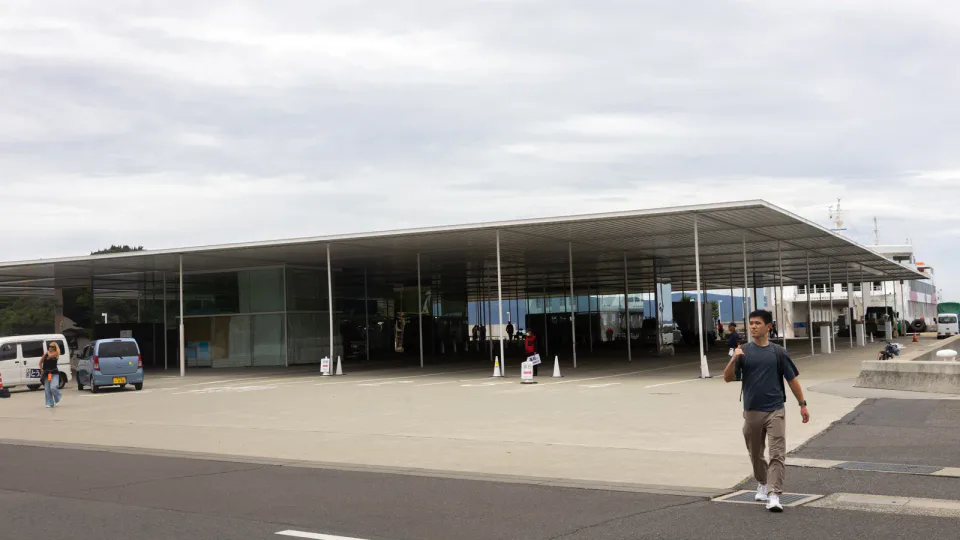
Chichu Art Museum uses 15-minute date/time reservations. Benesse’s current FAQ says same-day booking is possible only if a slot remains; if your desired time is sold out, you cannot use it. It also says tickets cannot normally be changed or canceled after purchase, and a reserved ticket is usable for 30 minutes from the booked time. Ferries and buses are not reserved together with the museum ticket.
That creates a very specific failure mode: booking Chichu first at a time that leaves too little ferry/bus margin, or booking the ferry conceptually first and discovering later that the only museum slot left breaks the route. For a four-day trip, the safer order is:
Check the art-facility opening calendar for your date.
Choose the one museum that would make the island worth the day.
Secure its timed ticket with realistic arrival margin.
Then lock the outbound and return ferry framework.
Only after that add buses, walking, an e-bike or secondary museums.
Benesse explicitly recommends extra arrival margin in busy periods because ferries and buses have limited frequency. The island rewards people who build around one hard anchor rather than those who collect the most pins.
The question that should come before every booking: what is irreplaceable?
If the answer is Chichu, a particular artwork or the Ando architecture, Naoshima has strong uniqueness. If the answer is only “Setouchi scenery” or “an island day,” alternatives exist. Ritsurin Garden, Kotohira and Shodoshima compete for the same short-trip days in completely different ways.
This is the editorial test I would use: if your preferred museum sold out tomorrow, would you still spend the full day on Naoshima? If yes, the island is a real priority. If no, do not buy a weak substitute itinerary out of sunk-cost psychology.
Takamatsu is an excellent base—but that does not make Naoshima a half-day trip
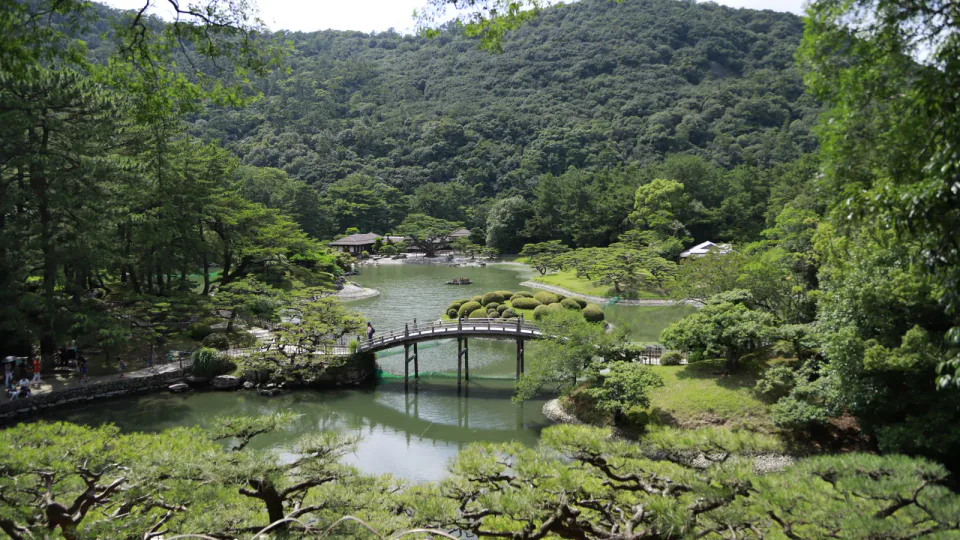
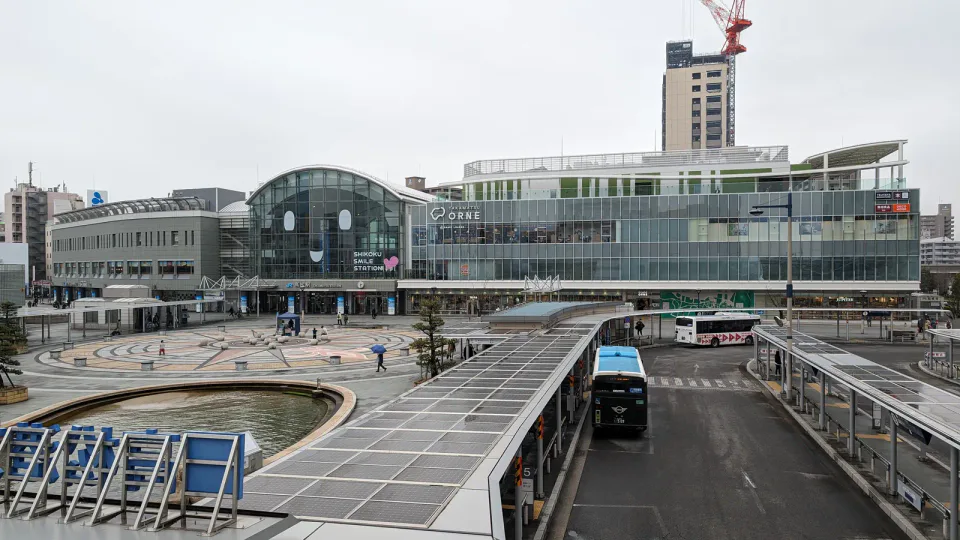
Takamatsu Port makes a fixed hotel base practical: leave in the morning, return for dinner, then continue by JR or airport transport the next day. If Naoshima is only one day, I would normally keep the hotel in Takamatsu. If ferry/JR access matters most, the station/port side has a clearer job; if dinners and shopping arcades matter more, Kawaramachi can justify a slightly longer morning.
Compare Takamatsu Station vs Kawaramachi before booking if the city base is still open.
What does Naoshima replace?
Ritsurin Garden is not a 30-minute photo stop. Kotohira can occupy a major part of a day. Shodoshima is another ferry-dependent full-day theme. A four-day/three-night trip cannot give Takamatsu city, Ritsurin, Kotohira, Shodoshima and Naoshima equal weight.
If both Naoshima and Shodoshima are fixed, stop describing the plan as “Takamatsu with two side trips.” It is a Setouchi island-hopping trip using Takamatsu as a transport base. That is perfectly valid, but it changes what success looks like.
Family and mobility boundary: delete a zone before adding transport
For a one-day visit, leave large luggage at the Takamatsu hotel and carry a day bag. With older travelers, young children or heavy camera gear, buses reduce the long jumps but do not remove museum walking, slopes and waits. The best adjustment is usually one fewer museum zone—not trying to buy speed with more transport.
If cycling is central, use the Naoshima e-bike guide before fixing museum times. The e-bike is a route tool, not unlimited time; the return ferry still sets the hard edge of the day.
When should you stay on Naoshima instead?
An island hotel makes sense when it purchases access to something you actually value: sunset/sunrise, two days of art, an evening that day-trippers miss, or the lodging experience itself. If you only have one day of content, moving hotels often adds luggage and check-in friction without creating enough extra island time.
If the trip has expanded to several island days, compare Naoshima/Shodoshima base options instead of assuming Takamatsu must remain the only base.
Three four-day structures
Takamatsu-first: arrival + Ritsurin/city + Kotohira or Shodoshima + departure. Skip Naoshima if art is not a priority.
Naoshima is the main event: one full Naoshima day anchored by the must-see museum, one Takamatsu/Kotohira day, fixed Takamatsu hotel. This is the cleanest four-day art version.
Island-hopping: Naoshima + Shodoshima occupy the complete days. Accept that Takamatsu is mainly the base and evening city rather than the trip’s main sightseeing target.
Final verdict: Naoshima is high-uniqueness, low-spontaneity
I would add Naoshima to four days in Takamatsu when a specific museum, artwork or architecture is already a strong reason for the trip. I would skip it when the motivation is vague FOMO. Its value comes from uniqueness; its cost comes from a full-day ferry-and-reservation chain. Book the one irreplaceable museum first, then build transport around it. If you cannot name what makes the day irreplaceable, keep the day in Takamatsu, Kotohira or Shodoshima.
Nagasaki Day Trip or Overnight from Fukuoka: 4-Day Trip Guide
Izu Oshima Day Trip or Overnight? Jetfoil vs Night Ferry From Tokyo
Sources
Naoshima Tourism Association: current Takamatsu–Miyanoura ferry information and fare. Benesse Art Site Naoshima: current ticket prices, opening calendar and Chichu Art Museum reservation rules. Information rechecked August 27, 2026. USD conversions use an approximate August 26, 2026 rate of ¥1,000 ≈ $6.27 USD and are rounded for planning. Ferry schedules, museum operations and ticket availability can change; verify your exact date. ValueNavi scores are editorial analysis and are not official ratings.