Tokyo in summer is much easier to plan once you stop treating a 35°C day as a normal sightseeing day with extra water. The useful fix is not to replace every outdoor sight with a mall. Split outdoor time into two blocks instead: use the early morning for places that genuinely open early, make 11 a.m.–4 p.m. your long indoor anchor, then decide at 5 p.m. whether the evening outdoor block still makes sense. Cutting two kilometres of midday walking usually saves more energy than adding one more air-conditioned stop.
And do not use the temperature alone. Japan’s heat-safety guidance relies on WBGT, a heat-stress index that reflects temperature, humidity and radiant heat. At WBGT 31 or above, the official guideline is in the Danger range. For a Tokyo summer itinerary, that makes the real question: which hours are worst today, and which parts of your plan can move without ruining the trip?
The 30-second plan: split a hot Tokyo day into 6–10, 11–16 and after 17:00
6–10 a.m.: use this for outdoor places that really reward an early start. Senso-ji’s Main Hall opens at 6 a.m. from April through September, while Meiji Jingu opens at 5 a.m. in July and August. Parks and neighbourhood walks can work too, but only if they are already on the right side of the city. Do not burn the coolest hours of the day on a cross-Tokyo commute just to say you started early.
11 a.m.–4 p.m.: put your longest indoor stay here and keep lunch in the same area. Ueno works well if you already want a museum day; the National Museum of Nature and Science is the kind of place that can absorb several hours without forcing you back outside every 30 minutes. Marunouchi and Ginza can do the same job with museums, department stores and food under a much tighter walking radius.
After 5 p.m.: do not automatically switch the original itinerary back on. Check the heat index again, look at thunderstorm risk, and be honest about your energy. If conditions are reasonable, this is when riverside walks, neighbourhoods and observation decks return to the plan. If the evening is still oppressive, keep the second block indoors. You have not “failed” Tokyo by deleting one outdoor stop.
35°C is not the only trigger: check WBGT before you check your sightseeing list
Two days with the same 33°C air temperature can feel completely different once humidity, direct sun and radiant heat are involved. Japan’s Ministry of the Environment places WBGT 25–28 in Warning, 28–31 in Severe Warning and 31+ in Danger. That is much more useful for deciding whether a one-hour outdoor walk still belongs at noon than the temperature number by itself.
Tokyo now makes that decision easier. The 2026 Tokyo Heat Map shows heat risk on roughly one-kilometre grids, hourly WBGT forecasts up to 48 hours ahead, daily maximum WBGT up to seven days ahead, plus Cooling Shelters and TOKYO Cool Share Spots. Instead of asking only “How hot will Tokyo be tomorrow?”, find the two hours when your original plan has the most exposed walking and decide whether that entire block should move.
The official August guide is also a useful reality check: daytime temperatures average around 29.6°C and often go above 34.4°C, while nights still hover around 26.2°C. Short heavy rain is common, especially toward evening. So “I’ll just wait until sunset” is not a complete heat strategy; evening is usually better than midday, not automatically cool or dry.
Early-morning sightseeing only works when the attraction truly opens early
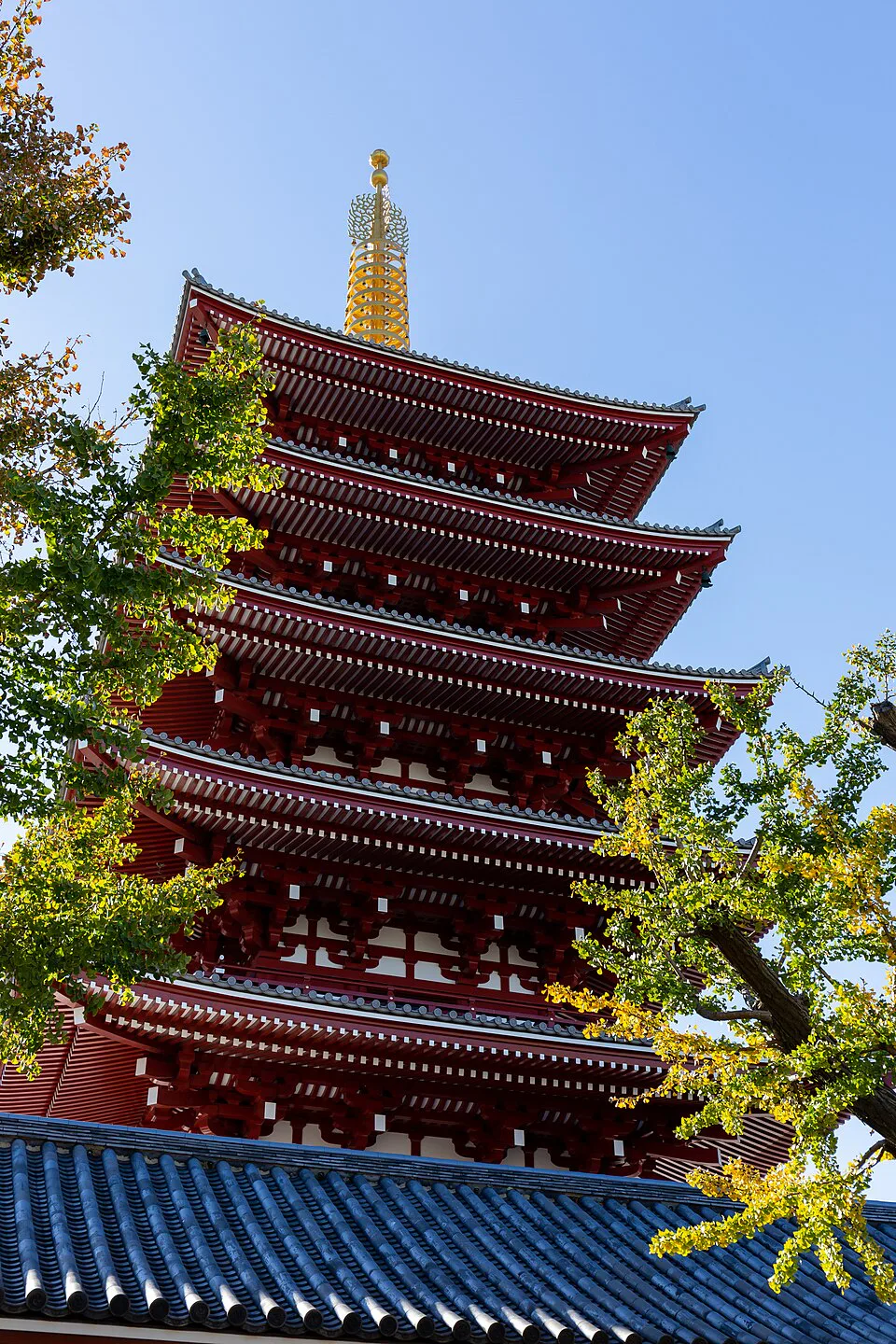
Asakusa is one of the cleanest east-Tokyo examples. Start with Senso-ji, Kaminarimon and a short Sumida-side walk while the day is still young. The important catch is that a temple opening early does not mean every Nakamise shop or specific breakfast place is ready at 6 a.m. If shopping is your actual reason for visiting, arriving too early can simply replace heat with waiting.
On the west side, Meiji Jingu is the obvious equivalent. Its official August opening time is 5 a.m., but the walk does not end at the gate: the shrine notes that it takes at least another ten minutes from the entrance to the main shrine buildings. The benefit of getting up early is moving that long forest walk into a better part of the day, not turning Harajuku into a 5 a.m. shopping district.
If you have not decided which side of Tokyo gets the day, use the Tokyo attractions hub and its east-versus-west day logic first. In summer, the penalty for mixing Asakusa, Shibuya and another far-flung district is not just wasted train time; it is extra platforms, station exits and exposed street walking at exactly the wrong hour.
For 11 a.m.–4 p.m., “indoors” is not enough — you need a two-to-four-hour anchor
The classic fake heat-proof itinerary has four indoor attractions and three sweaty transfers between them. A 500-metre walk from the subway exit, a queue in direct sun, a giant station interchange and another ten minutes looking for lunch all count as heat exposure. Midday planning should reduce the number of doors you have to enter, not maximise the number of buildings with air-conditioning.
Ueno makes the idea easy to see. The National Museum of Nature and Science currently opens 9 a.m.–5 p.m., and its permanent collections can justify a substantial stay if dinosaurs, natural history and science are genuinely part of your trip. Put the museum, lunch and a proper rest in one Ueno block rather than leaving Asakusa at noon, crossing Tokyo to Shinjuku and entering a mall only after another hot transfer.
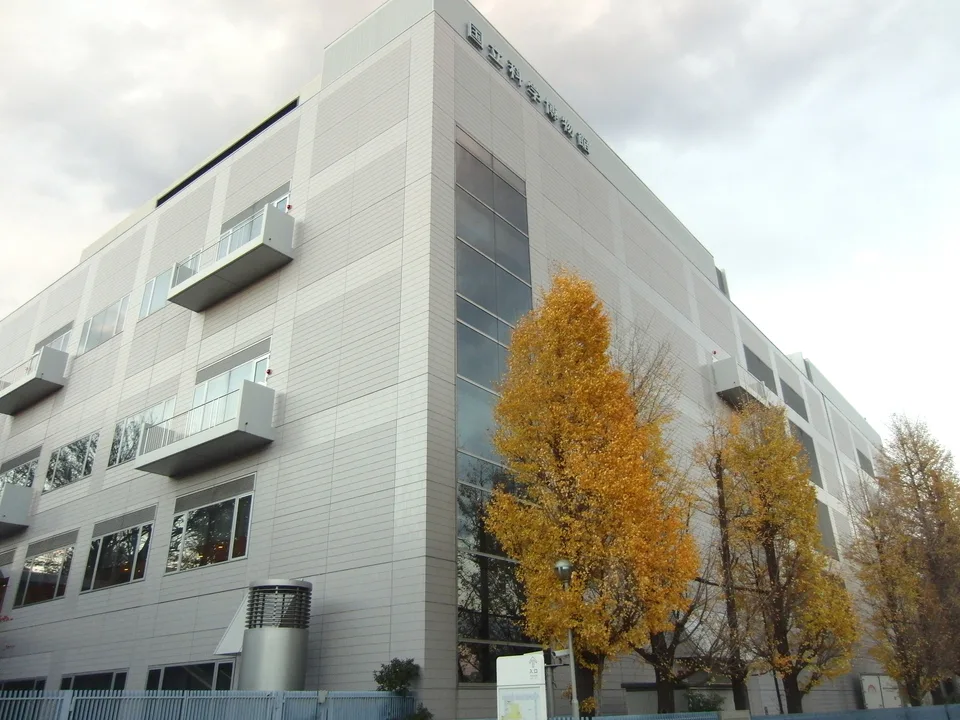
Before assigning half a day to it, read whether the National Museum of Nature and Science is worth three to five hours. Air-conditioning is not a reason to spend four hours in a museum you never wanted to see. The summer version of good planning still starts with interest; heat only changes when and how you place that interest.
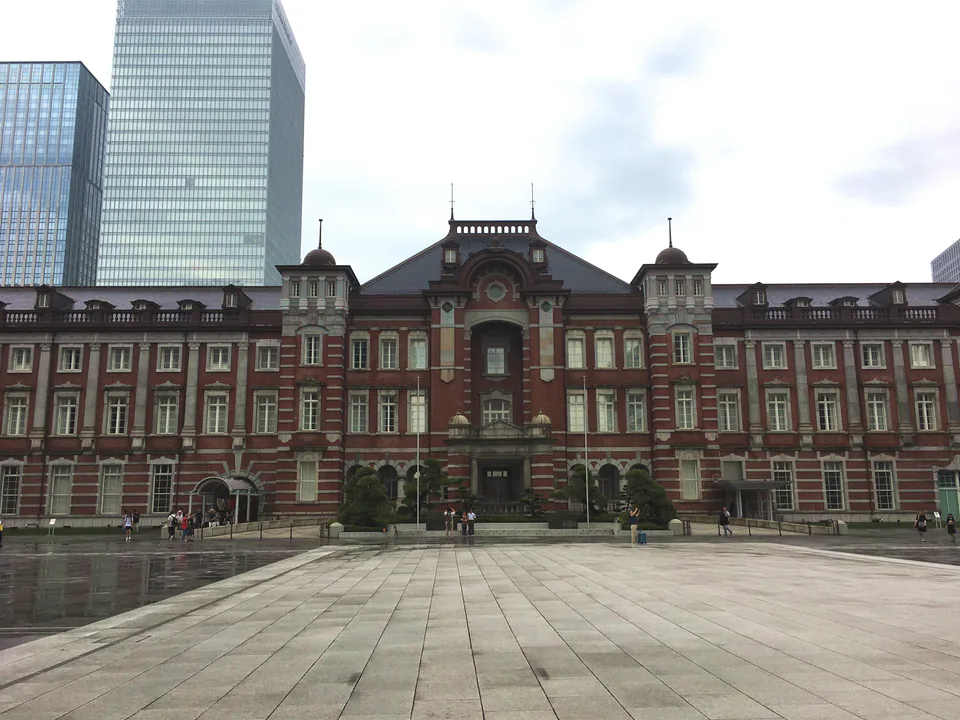
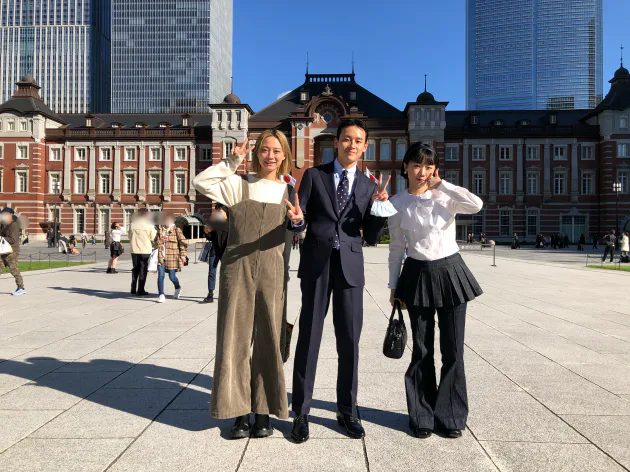
The same logic works in central Tokyo. Tokyo Station, Marunouchi and Ginza give you a large supply of indoor time without forcing a long surface commute between every stop. If rain arrives with the heat, the Tokyo Station-to-Ginza rainy-day route is a useful backup because it already treats indoor continuity as the main decision rather than a random list of museums.
Bring outdoor Tokyo back in the evening — but do not turn sunset tickets into a new trap
Evening is usually the better place for a second outdoor block, but August nights can still be hot and humid, and summer downpours can hit late in the day. An observation deck works well as an evening goal only if its value survives the actual weather. A non-refundable “we must be on this rooftop at 6 p.m.” commitment can become exactly the kind of rigidity a heat-smart itinerary was supposed to remove.
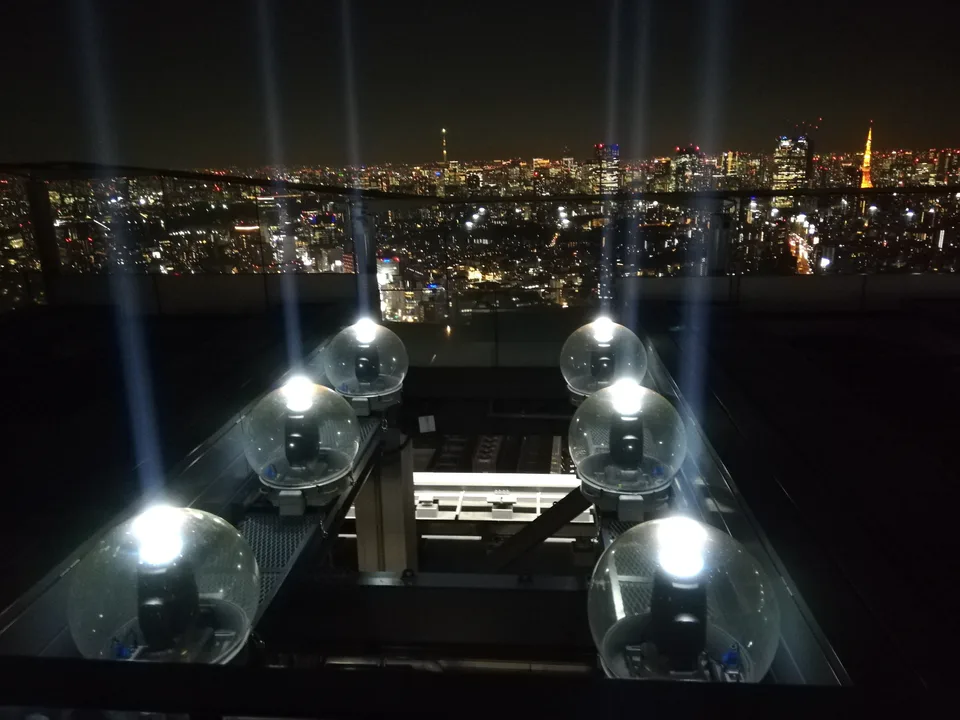
If SHIBUYA SKY is already on your shortlist, check the sunset price, weather and rooftop-closure trade-offs before locking the time. A summer itinerary needs at least one piece that can swap with another day. Getting every timed reservation “perfect” matters less than preserving the ability to move one high-exposure block when the forecast changes.
Three heat-smart Tokyo routes: east, central and west — without crossing the city at noon
East Tokyo: Senso-ji early → Ueno indoors → local evening
Use roughly 6–9 a.m. for Senso-ji and a compact Asakusa walk, move toward Ueno before the worst heat, then give 11 a.m.–4 p.m. to a museum, lunch and a real indoor break. After 5 p.m., decide between Ameyoko, the Sumida side, a relaxed dinner or simply returning to your hotel. The win is not the number of sights; it is avoiding a noon transfer to western Tokyo.
Central Tokyo: Marunouchi morning → Tokyo Station/Ginza indoors → streets after dinner
If you are staying near Tokyo Station or Ginza, you do not need to ride to Ikebukuro just to find “a cool attraction.” Use the early block for Marunouchi or another nearby outdoor stop, keep the middle of the day inside the central-Tokyo museum, department-store and restaurant network, then reassess the weather after dinner. Central Tokyo is especially useful on uncertain days because the indoor fallback does not require rebuilding the entire route.
West Tokyo: Meiji Jingu early → Harajuku/Shibuya indoors → evening view
Put the long Meiji Jingu walk at 5–8 a.m. When Harajuku and Shibuya move into normal business hours, switch to indoor stops, food and shopping. Do not add Asakusa or Ueno to the afternoon just because the map says the trains are easy. If conditions settle later, use Shibuya streets or a skyline view as the second outdoor block. Staying west all day is what turns the early start into less heat rather than more commuting.
Disney and full-day theme parks are the exception — you cannot split every hot day in two
Tokyo Disney is a closed-loop, high-effort day. Once you enter, it makes no sense to leave at noon for an Ueno museum and return later. The better summer decision is to treat the park as the one complete physical day: do not add 6 a.m. Asakusa beforehand, do not assume you need a full Shibuya night afterward, and avoid stacking the days on either side with equally long outdoor walks.
If your park date is still flexible, weather belongs in the date decision itself. If tickets are not fixed yet, use the Tokyo Disney ticket guide to decide one park, two days and how much flexibility you actually need. Buying a second park day is not automatically a heat solution; if it only exists because day one became too exhausting to finish, you are paying to repair a planning problem.
With children or older travellers, lower the threshold for changing the plan
Heat advice becomes more conservative for children, and Tokyo’s heat-safety messaging specifically highlights older adults and young children as groups needing extra caution. For families, an “indoor attraction” is not enough information. Check the outdoor distance from station to entrance, whether stroller-friendly lifts are on the route, whether queues are shaded, and whether lunch and nap time can happen without another exposed transfer.
For families, start with Tokyo family attractions grouped by age, naps and stroller reality and then cut it again for summer. The success metric on a very hot day is not how many attractions a child completed. It is whether the family still has enough energy to eat, wash up and get back to the hotel without the final two hours becoming damage control.
Travelling with parents deserves the same adjustment. If you are still choosing a base, the Tokyo-with-parents hotel guide is useful because an extra transfer that looks harmless on Google Maps can mean another long platform, another station exit and another exposed walk in August.
Cooling Shelters are an exit route, not permission to keep a bad plan
Tokyo’s 2026 Heat Map now places designated Cooling Shelters and TOKYO Cool Share Spots alongside the heat-risk layer. That is genuinely useful when a café is full, someone suddenly needs to cool down, or the street between two planned stops is much harsher than expected. It gives you a concrete place to interrupt the route instead of improvising while already overheated.
But use those spaces as a way to stop or shorten a bad outdoor block, not as insurance for keeping it. If WBGT has moved into Severe Warning or Danger territory, or someone is feeling unwell, the correct response is to reduce exposure and get into a cool place. “There is a Cooling Shelter later” is not a reason to keep a 40-minute noon walk.
For five days in Tokyo, leave at least one indoor-heavy day swappable
Imagine a five-day trip with east Tokyo, west Tokyo, Disney, central Tokyo and a day trip. The summer mistake is locking all five days hour by hour before the forecast is useful. Keep at least one east/central day flexible enough to swap: when one day is forecast to carry the worst WBGT, move the museum-and-shopping-heavy day there and push the outdoor-heavy day to the better window.
Use the 4-, 5- and 7-day Tokyo itinerary framework to decide which days are true full-day commitments first. Then make one of the city days your weather valve. That works better than building ten tiny backup plans for every afternoon, because the variable you are really changing is each day’s outdoor exposure.
Where you stay matters more in Tokyo’s summer than it does on paper
In mild weather, one extra transfer is mostly an inconvenience. In extreme heat it can mean a long underground interchange, a warm platform, a staircase or lift detour, and another exposed surface walk. If three of your five sightseeing days are on Tokyo’s east side, crossing the entire city every morning simply because Shinjuku sounded like the default hotel area can erase the benefit of every cooling gadget you packed.
If the hotel is still undecided, compare Tokyo accommodation areas by the trip you are actually taking rather than by a generic “central” label. In summer, convenience should mean fewer transfers, fewer surface walks and fewer long waits outside — not the shortest straight-line distance to a station.
Final verdict: do not delete outdoor Tokyo — delete outdoor Tokyo at the worst hours
Tokyo in summer can still include Asakusa, shrine walks, parks, neighbourhoods and night views. They just do not all need to live inside the standard 10 a.m.–5 p.m. sightseeing clock. The most reliable default is one early outdoor block, one long same-area indoor block around midday, then a fresh WBGT-and-weather decision before the evening outdoor block.
Before leaving the hotel, check five things: when today’s WBGT is expected to peak; whether your midday indoor stop can genuinely hold you for at least two hours; whether any transfer includes a long outdoor walk; whether evening thunderstorms are likely; and whether anyone in the group needs a more conservative heat threshold. If two of those answers get worse, remove an outdoor block instead of adding another “quick stop.”
Official sources checked for this 2026 summer plan
GO TOKYO: heat-safety tips for summer sightseeing — current guidance on hot and humid daytime sightseeing, heat countermeasures and choosing cooler times and locations.
GO TOKYO: August in Tokyo — current August temperature pattern, hot nights and short heavy-rain risk.
Japan Ministry of the Environment: WBGT guideline — WBGT risk bands used in this itinerary.
Tokyo Metropolitan Government: 2026 Cooling Shelter and Heat Map update — one-kilometre heat map, 48-hour hourly WBGT, seven-day maximum WBGT and cooling locations.
Meiji Jingu: official opening hours and access — monthly opening times; the shrine’s access guidance also notes the extra walk from the entrance to the main shrine buildings.
National Museum of Nature and Science — current opening hours for the Ueno museum.