
30-second decision: Tokyo with kids gets easier when you stop planning the second paid attraction
The best Tokyo family attractions are not the ones that appear on the most “top 20” lists. For ages 0–3, protect naps and stroller friction and plan one high-commitment paid attraction. Ages 4–6 are finally ready for a half-day interactive experience. By ages 7–12, stop asking what is “kid-friendly” and ask what your child would willingly spend half a day doing: KidZania, natural history, Disney, LEGO, or something else.
The failure mode is usually not “we missed one attraction.” It is crossing Suidobashi, Odaiba, Toyosu and Ueno in one day while every stop has a timed entry. This guide turns “family-friendly” into things you can actually plan around: age fit, naps, stroller handling, indoor backup value, reservation intensity and how easily you can quit when the child is done.
↔ Scroll table left or right
Child / trip condition | Start with this plan | Most common planning mistake |
Ages 0–3, stroller or nap still matters | Suidobashi ASOBono! or Ikebukuro Sunshine Aquarium; one main paid stop for the half-day | Buying a timed ticket for the morning, then crossing Tokyo for a second timed ticket |
Ages 4–6, loves hands-on play | LEGOLAND Discovery Center Tokyo; choose KidZania only when role-play and waiting feel realistic | Treating every “family attraction” as compatible on the same day |
Ages 7–12, can sustain a longer activity block | KidZania Tokyo or the National Museum of Nature and Science | Still following toddler lists instead of the child’s actual interests |
Rainy day | Swap to the indoor anchor in the same area | Turning the backup plan into an extra cross-city itinerary |
Disney is the child’s main reason for the trip | Protect a full Disney day and separate it from your city family day | Adding a city paid attraction after a full park day |
Ages 0–3: ASOBono! can be a better main event than a famous Tokyo landmark
If your child still needs a nap, diaper changes or milk breaks, the first question is not “what is Tokyo famous for?” It is whether the day can end naturally after two or three hours. Tokyo Dome City’s ASOBono! is aimed mainly at families with preschoolers from 0 to 6, and its baby-only area is specifically for ages 0–24 months. That gives a baby or toddler something they can actually use, rather than asking them to tolerate an attraction selected for the adults.
There is a counter-case. If your child is not yet interested in ball pits, trains, blocks or pretend play, or you only need a 60–90 minute weather backup, ASOBono! does not have to own the whole half-day. An aquarium can be easier to enter, leave and fold into lunch.
Ages 0–3 | Check ASOBono! hours and current entry rules
Sunshine Aquarium: stroller-friendly on paper does not mean stroller-easy at peak time
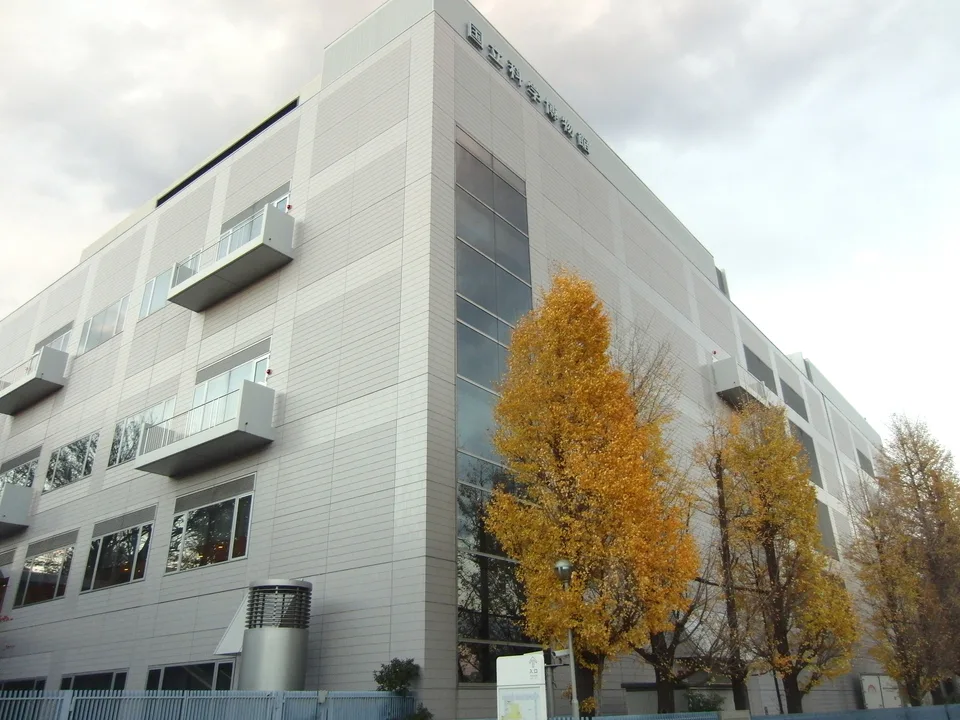
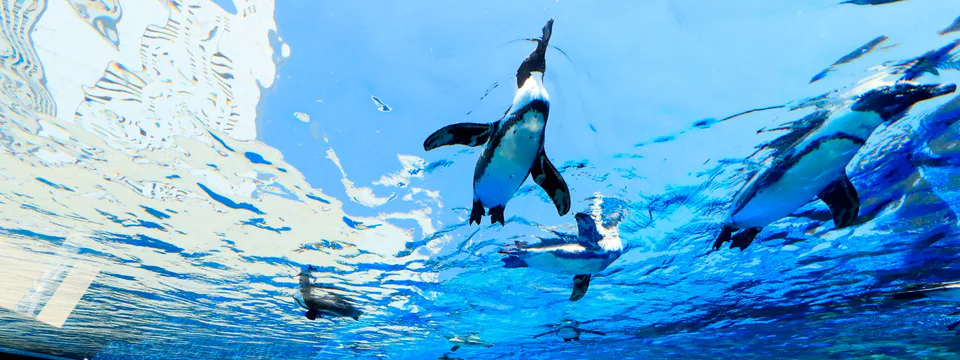
Sunshine Aquarium works well for younger families because children three and under do not need an admission ticket, there is a baby room, a priority elevator and stroller storage near the entrance. Sunshine City also gives you food, restrooms and indoor space around the aquarium, which makes it useful as one flexible anchor before a nap or during bad weather.
The important caveat comes from the aquarium itself: during busy periods, strollers can be difficult to move through the aquarium and access around performance areas may be limited. On weekends, holidays and selected high-attendance dates, the aquarium recommends securing a timed-entry web voucher even if you already hold a valid ticket. “Family-friendly” therefore means there is support when you need it, not that pushing a stroller through every gallery will be effortless.
Ikebukuro rainy-day option | Check Sunshine Aquarium entry arrangements
How should you plan naps? For ages 0–3, the afternoon is not automatically another ticket slot
For a toddler day in Tokyo, I would default to: one indoor morning anchor → lunch → nap or hotel reset → only then decide whether the evening is a free walk, a neighborhood meal or nothing at all. Buying one fewer ticket can look like “doing less,” but it often protects dinner and the following day.
If your base is not fixed yet, start with where to stay in Tokyo for first-time visitors and then compare Shinjuku vs Shibuya. With a nap-dependent child, being able to retreat without two transfers can matter more every day than saving ten minutes on one airport ride.
Still choosing a base? | Compare current Tokyo stay options first
Ages 4–6: interactive attractions finally earn the premium — but choose one high-focus experience
Ages 4–6 are where families most often overbuy Tokyo. Children can now participate properly, so LEGO, role-play, museums and Disney all look possible. The problem is that these are not “walk through for an hour” experiences. They require sustained attention. My default rule at this age is one attraction per day that involves timed entry, repeated queues or an ongoing task structure.
LEGOLAND Discovery Center Tokyo: best aligned with ages 3–10, not automatically with every older child
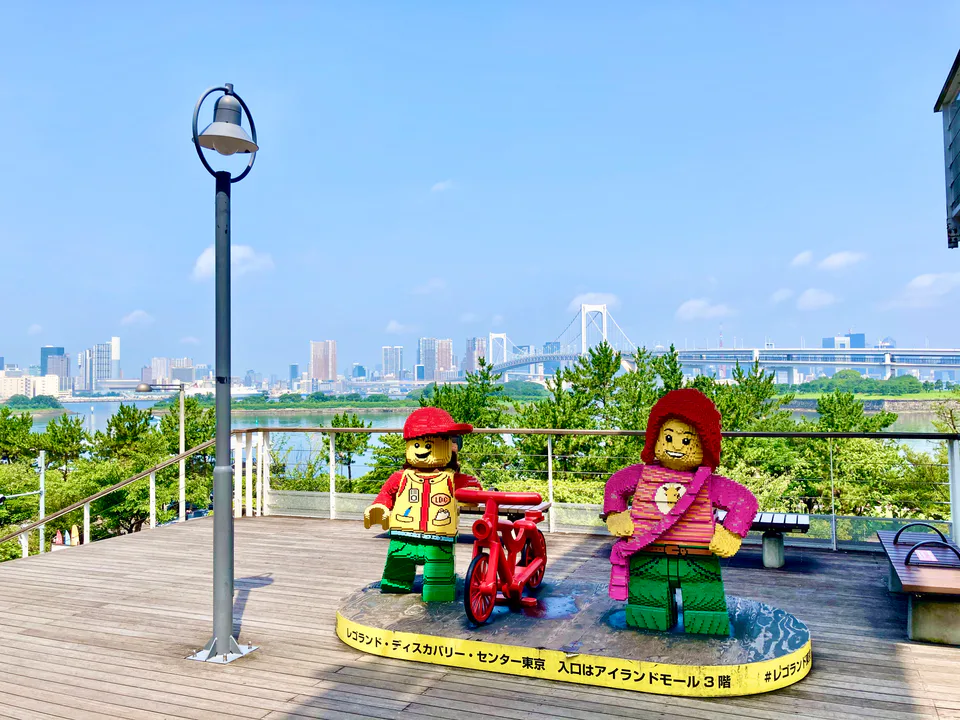
The official positioning is unusually clear: LEGOLAND Discovery Center Tokyo is designed specifically for children ages 3–10, and children under 3 enter free. Adults normally cannot visit without a child. Entry is date/time based, and on busy weekends and public holidays overall playtime may be limited to around three hours. For a 4–6-year-old LEGO fan, that is not a drawback; it naturally behaves like a half-day anchor instead of a ticket you feel forced to stretch into the evening.
The counter-case matters. An 11- or 12-year-old who only mildly likes LEGO should not go because a generic family guide says it is a “must-do.” At that age, the budget belongs with the subject they are already asking for.
Ages 3–10 and into LEGO | Check timed tickets for your date
KidZania Tokyo: “age 3” is the eligibility line, not the value-for-money line
KidZania activities are designed for ages 3–15. Children under 3 can enter free but cannot participate in the work activities, and a group made up only of guardians and toddlers cannot enter. That alone should reset expectations for families imagining that a two-year-old sibling will “do KidZania too.”
The better decision line is whether the child can choose an activity, wait for a return time, follow staff instructions and stay engaged in a role. KidZania also provides stroller storage and recommends using it because some paths are narrow and cobblestoned. The current Tokyo schedule runs a 1st Shift from 9:00–15:00 and a 2nd Shift from 16:00–21:00, so this is not a casual 90-minute add-on.
One date-sensitive warning: KidZania Tokyo has announced that parts of the activity reservation process will change from September 1, 2026. If your visit is on or after that date, re-check the official flow before arrival rather than assuming the August process described in older guides still applies.
Planning KidZania? | Check the current Tokyo admission and reservation flow
Ages 7–12: stop searching “family attractions” and ask what deserves half a day
By ages 7–12, the biggest planning mistake is continuing to use toddler rankings. A child who loves role-play may get far more out of KidZania than an observation deck. A dinosaur or science kid can easily spend 3–5 hours at the National Museum of Nature and Science. A committed Harry Potter or Disney fan should get a protected time block for that interest, not another generic “kid-friendly” ticket.
The National Museum of Nature and Science currently charges ¥630 for general and university admission, while high-school-age visitors and younger enter the permanent exhibition free. ComPaSS, the family exploration area that reopened after renovation on March 2, 2026, is primarily aimed at ages 4–6 but is available to families with children from age 0 through elementary school. Every visitor needs a date-specific reservation for ComPaSS, and museum admission is separate. Strollers are not allowed inside ComPaSS itself.
If natural history is already the child’s interest, read the full National Museum of Nature and Science 2026 decision guide before adding anything else to Ueno. The cheap admission price is not the real constraint; time is.
Already choosing Ueno? | Check current National Museum ticket options
How to plan Ueno: the science museum is the main event, not a stop before “also doing the zoo”
The map makes Ueno Park, the museum and the zoo look easy to combine. For a school-age child who actually likes dinosaurs, animals or the Global Gallery, the museum can already be the day’s main anchor. Add the park only if there is energy left. Do not buy a second timed ticket in advance just because the next attraction looks geographically close.
If Tokyo is only a short stay, protect full city days first. Use 3, 4 or 5 days in Tokyo to see what one extra “big day” removes from the trip. Family schedules need room for a late start, weather change or early finish more than adult checklists do.
Rainy days: do not “find another indoor attraction” — swap the anchor within the same area
The worst rainy-day response is discovering rain in the morning, moving from western Tokyo to Odaiba, then chasing Ueno in the afternoon. The lower-friction version is area substitution: Ikebukuro → Sunshine Aquarium; Suidobashi → ASOBono!; Toyosu → KidZania; Odaiba → LEGOLAND; Ueno → National Museum of Nature and Science. Keep the travel skeleton the same and change only the anchor.
For a broader indoor day that adults will also enjoy, use the Tokyo rainy-day itinerary from Tokyo Station to Ginza. With a toddler, however, do not copy every stop from an adult itinerary.
When does Disney simply win? When it is already the child’s most anticipated day
This is not an argument against Disney. If Disneyland or DisneySea is already the child’s clear priority and they can handle a full park day, Disney should replace a city family day rather than being added after one. Start with Tokyo Disneyland vs DisneySea, then decide whether your trip needs 1 or 2 days at Tokyo Disney.
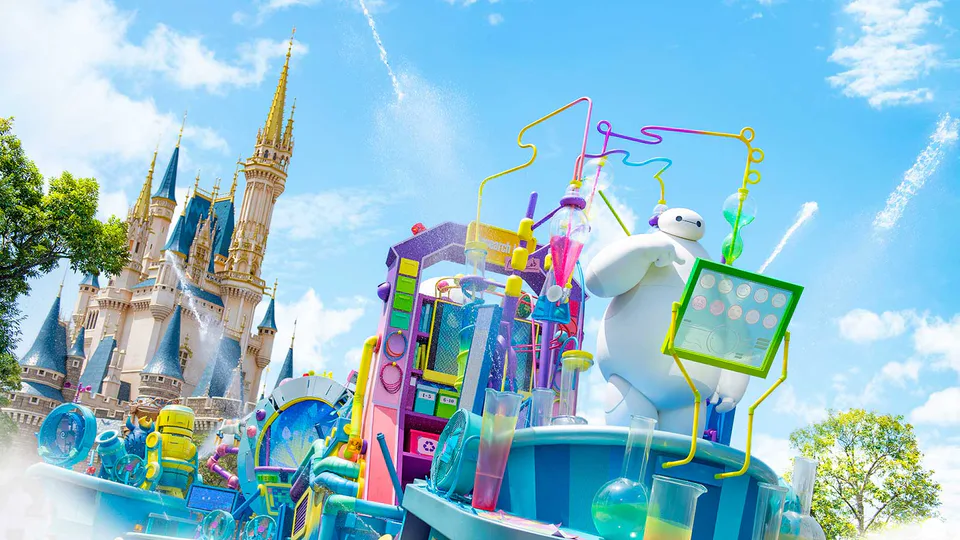
If two park days start changing where you should sleep, read the Tokyo Disney split-stay guide and the family hotel guide. One Disney day and two Disney days create different hotel trade-offs.
Is Tokyo Skytree a family attraction? Yes — but only if the whole family wants the view
An observation deck often gets labelled “good for families” because it has elevators, indoor space and a connected mall. That does not turn it into a children’s attraction. Skytree works when the whole family wants the high-altitude Tokyo view and you are already building an Oshiage / Solamachi area day. If the child really wants LEGO or an aquarium, “it is nearby” is not enough reason to buy another ticket. If the 2026 Chiikawa collaboration is part of the appeal, use the Chiikawa × Tokyo Skytree ticket guide so you do not confuse collaboration access with a basic observatory ticket.
Stroller NO-GO: do not pair two venues that both make you want to park the stroller
Sunshine Aquarium explicitly warns that stroller movement can become difficult at busy times. KidZania recommends stroller storage because some paths are narrow and cobblestoned. ComPaSS does not allow strollers inside at all. Any one of those can be manageable. Pairing two in the same day means repeated folding, carrying bags, moving a sleeping child and finding storage again. That friction is as real as the ticket price.
How many attractions per day? Under 6, start with one anchor plus one no-reservation backup
For children under 6, my default is one paid attraction that you definitely intend to use, plus one nearby backup you can delete without losing money. The backup should be a park, mall, neighborhood walk, snack stop or free play space — not another timed ticket. For ages 7–12, two attractions can work when both are in the same area and the child has proven all-day travel stamina, but I still would not make both depend on exact check-in times.
The strongest argument against this rule is that some children genuinely have far more travel stamina than their age suggests. Fine: let your own child’s past full-day behavior override the default. Do not override it merely because a sample itinerary technically fits on a map.
Final verdict: choose the age first, the area second, and the ticket last
Ages 0–3: start with ASOBono! in Suidobashi or Sunshine Aquarium in Ikebukuro and do not promise yourself a second paid attraction after the nap. Ages 4–6: choose between LEGOLAND Discovery Center and KidZania based on whether the child can sustain role-play, waiting and instructions. Ages 7–12: follow the interest — KidZania, natural science, Disney, LEGO or another subject they actually care about — rather than a generic “best for kids” list.
When it rains, change the indoor anchor, not the entire city route. With a stroller, ask whether the venue is genuinely easy at peak time, not simply whether strollers are technically allowed. If Disney is the reason for the trip, give it the whole day. The best family itinerary is not the one that maximizes tickets; it is the one that still has an exit when the child is finished.
Fact check and what to verify before paying
This article was re-checked on August 19, 2026 against current official information from ASOBono!, Sunshine Aquarium, LEGOLAND Discovery Center Tokyo, KidZania Tokyo and the National Museum of Nature and Science. Age rules, timed-entry systems, ticket prices, closure dates, stroller policies and activity procedures can change, so verify the exact date of your visit before paying.
ValueNavi currently has a verified English Travelpayouts deep link only for the National Museum of Nature and Science among the attractions used as purchase examples here. KidZania, LEGOLAND and Sunshine Aquarium are therefore linked to official information rather than raw marketplace URLs or hand-built tracking links. Accommodation routing uses an existing verified Stay22 Tokyo link.
Tokyo Game Show 2026 Fast Ticket Is Not a Fast Pass — Buy It Only If You Know Your First Booth
USJ Halloween with Kids 2026: Day Plan, Safe Routes and Age Limits
How to Plan a Trip to Japan: Fix These 4 Decisions Before You Pick Attractions
The ¥800 LEGOLAND Japan Upgrade Is Cheap — Your Family’s Last Two Hours Are Not
100% Doraemon & FRIENDS Tokyo 2026: The Shop Needs a Ticket, the Themed Cafe Does Not