
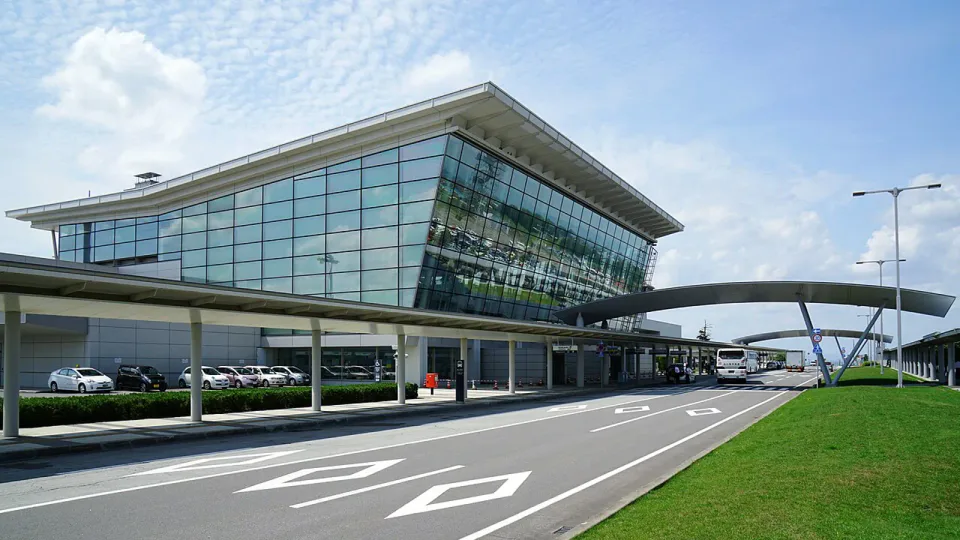
An Asahikawa in, New Chitose out itinerary can remove backtracking when the trip moves naturally through central Hokkaido to Sapporo. Is it worth flying into Asahikawa and out of New Chitose? Only when the combination actually straightens the Hokkaido route. If Furano and Biei are the main priorities in the first half of the trip, I would compare an Asahikawa arrival first. Biei’s official tourism information currently puts the Furano bus from Asahikawa Airport to Biei Station at about 16 minutes, so you can move into the flower-field and hill area immediately instead of flying to New Chitose, going into Sapporo and then backtracking northeast two days later. If your first night was always going to be Sapporo, or Asahikawa’s flight time, fare or baggage conditions are clearly worse, there is no reason to force an open-jaw itinerary just because it looks sophisticated.
What an open-jaw ticket really saves is not one rail fare. It can remove a reverse movement, a long self-drive segment or one major luggage relocation. Do not compare only the two airfares. Put the first-night base, Furano/Biei order, number of Sapporo nights, rental-car pickup and return points, and departure day on the same route map. Asahikawa-in and New-Chitose-out has real value only if the whole trip becomes more one-way.
If you are still deciding which Hokkaido regions belong in the same trip, use our Hokkaido itinerary-by-region guide first. Open-jaw flights are most useful after the main regions and hotel bases are already clear.
Asahikawa in, New Chitose out itinerary: the 30-second decision
Starting the trip with Biei/Furano: check Asahikawa arrivals first. Want Sapporo on Night 1 and another Sapporo day after that: New Chitose is more natural. Biei + Furano followed by Sapporo, Otaru and Noboribetsu: Asahikawa-in/New-Chitose-out fits well. Only 4–5 days and Sapporo is the real focus: do not stretch the trip north just for an open-jaw ticket. Larger self-drive group with heavy bags: include one-way rental fees and branch locations. No car: Asahikawa Airport is close to Biei, but Day 2 still depends on JR/buses. If airfare or flight times are much worse, saving ground transport may not be worth it.
The open-jaw only pays when Furano and Biei stop being a backtracking side trip
A typical New-Chitose round trip looks like New Chitose → Sapporo → Furano/Biei → back to Sapporo → Otaru/central Hokkaido → New Chitose. If Furano/Biei are non-negotiable, that creates a natural northeast-and-back movement. Flying into Asahikawa lets the trip become Asahikawa Airport → Biei/Furano → Sapporo → Otaru/central Hokkaido → New Chitose. You finish the farthest northeast section first and generally move closer to the departure airport afterward. That is the time benefit an open-jaw trip is supposed to create.
If changing airports saves only 30 minutes but gives you a predawn flight, another hotel night or a much higher airfare, the open jaw has no real job. If it removes half a day of Sapporo backtracking, one luggage transfer and lets the first full day start in Biei, the value is completely different.
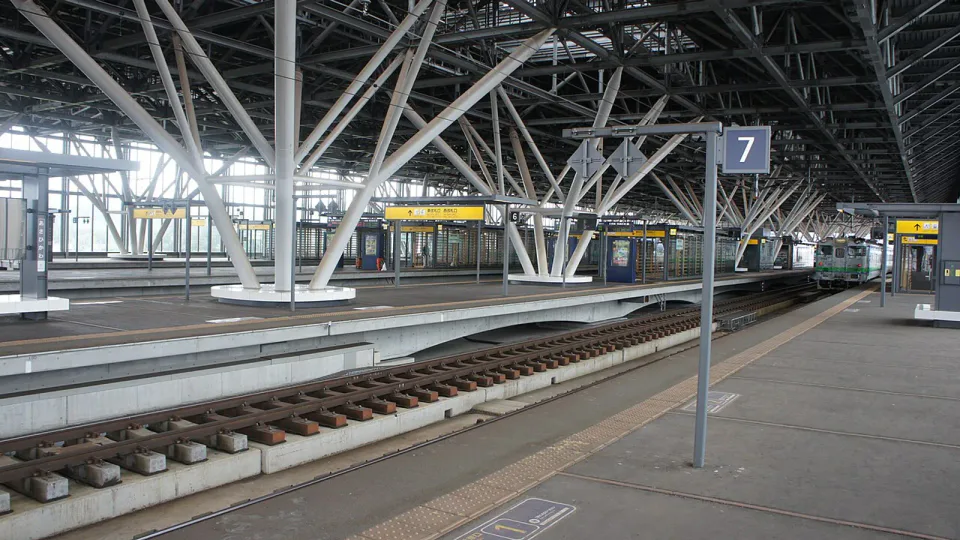
If Asahikawa itself becomes the first or second hotel base, compare the actual station-area trade-off in our Hotel WBF Grande Asahikawa guide. The point is not the hotel brand; it is whether a station-side base lets the open-jaw route keep moving without another awkward transfer.
Asahikawa Airport’s proximity to Biei matters because it changes Night 1
Biei’s official access page currently lists the Furano bus from Asahikawa Airport to Biei Station at roughly 16 minutes. That does not mean you are at the Blue Pond 20 minutes after landing—the hills, Shirogane and flower fields still require another transport segment. It does make a first night in Biei realistic. With an afternoon arrival, Day 1 can stay simple around Biei Station, dinner and rest, then Day 2 starts with a full Biei day. That is usually steadier than landing at New Chitose and forcing a long transfer east.
Car-free travelers benefit too because they do not have to go into Asahikawa city first and then come back south. But the next step still needs JR, the Biei sightseeing bus or local buses. The open-jaw ticket removes part of the airport-to-first-base transfer; it does not erase Biei’s last mile.
For a car-free stay, compare Furano Station, Nakafurano, Asahikawa and Sapporo as bases before booking Night 1. A good open-jaw ticket can still be undermined by a hotel that sits far from the transport spine.
If you wanted Sapporo first anyway, entering through Asahikawa can make the route worse
The entry airport should match the first hotel base. If Days 1 and 2 are both in Sapporo, arriving at Asahikawa puts you farther north and then sends you back toward the original main line; New Chitose is usually more natural. Do not buy two different airports because the map looks efficient and then force the entire trip to accommodate the ticket. An open jaw saves time only when the first destination points in the same direction as the arrival airport.

For a summer flower-field trip, Asahikawa entry usually becomes more valuable
In 2026, JR Hokkaido still runs seasonal services such as the Furano Lavender Express and Furano–Biei Norokko, with the Norokko scheduled for its final operation on September 23. Car-free travelers therefore do not need Asahikawa Airport in order to visit Furano and Biei. But if July/August flower fields are one of the trip’s main reasons, starting from the Asahikawa side still puts the priority region first and removes the Sapporo round trip. Seasonal trains can improve the connection; they do not make backtracking free.
If lavender timing is the reason you are considering this route, use the Furano lavender guide to decide whether the flower-field day is important enough to justify changing the arrival airport at all.
Outside peak flower season, if Furano/Biei are only optional side trips, the advantage of an Asahikawa entry drops sharply. New Chitose flight options, Sapporo accommodation and central-Hokkaido plans may matter more.
For self-drive trips, include one-way rental conditions instead of assuming Asahikawa pickup/New Chitose return always wins
Picking up in Asahikawa and returning at New Chitose looks perfectly linear, but one-way conditions can vary by rental company, vehicle class and date. Compare one-way fees, eligible return branches, operating hours, shuttles and whether you actually need a car during the later Sapporo section. If Days 4 onward are two or three Sapporo nights, the efficient version may be to finish Furano/Biei, return the car in Sapporo and use JR for New Chitose instead of keeping the same car idle in the city.
Open-jaw flights and rental-car days are part of the same decision chain: straighten the route first, then decide which days the car actually has work.
Without a car, Asahikawa entry still works—but the hotel must sit on the transport spine
Car-free travelers should place Night 1 near Biei Station, Asahikawa Station or another strong JR/bus node. If you choose a scenic resort far from the station, the 16 minutes saved from the airport can quickly be consumed by a hotel shuttle and next-morning taxi. An open-jaw ticket is not magic; the accommodation still has to match the transport backbone.
A typical 7-day open-jaw version
Day 1: Asahikawa Airport → Biei/Asahikawa. Day 2: Biei. Day 3: Furano, then move toward Sapporo. Day 4: Sapporo. Day 5: Otaru. Day 6: Sapporo, Noboribetsu or another central-Hokkaido day. Day 7: depart New Chitose. If Furano/Biei are the true stars, Days 1–3 can stay entirely there and Sapporo can shrink to two nights. The point is not to add one more place every day; it is to finish the farthest northeast section and stop going backward.
When is a New-Chitose round trip actually better?
If Sapporo is the main destination, Furano/Biei are only a day branch, the Asahikawa flight time costs half a day, fare or baggage conditions are much worse, or the trip focuses on Otaru, Noboribetsu and Toya in central Hokkaido, a New-Chitose round trip is usually better. Open-jaw travel is not an advanced-traveler badge; it is simply a tool for reducing backtracking in a linear itinerary.
Final verdict: the question is not whether two airports look clever—it is whether you remove a real backtrack
Furano/Biei first: check Asahikawa-in/New-Chitose-out. First night in Sapporo: New Chitose is usually more natural. Larger self-drive group: include the one-way rental and any idle Sapporo car days. No car: Biei’s proximity to Asahikawa Airport still helps, but onward schedules and hotel location must be aligned. If the flight time or fare difference is too large, do not force the open jaw. Ask one final question: after changing to an Asahikawa arrival, did you genuinely remove a long reverse journey? If yes, it is worth considering. If not, you have only changed airports.
New Chitose Airport Car Rental: Rent on Arrival or Wait Until Sapporo?
5-Day Hokkaido Autumn Leaves Itinerary: Driving, Public Transport and Where to Stay
Edogawa Fireworks 2026: The Best Free Side to Watch, When to Arrive and How to Get Out
Osaka Itinerary: 3, 4 or 5 Days — When to Add USJ, Kyoto or Kobe
Sources
Biei Tourism Association: access information, including the Furano bus from Asahikawa Airport to Biei Station at about 16 minutes. JR Hokkaido: 2026 Furano/Biei rail information, Furano Lavender Express and Furano–Biei Norokko. Images: JR Asahikawa Station, Furano flower fields and New Chitose Airport. Information rechecked August 15, 2026. Flights, fares, baggage rules, one-way rental conditions, buses and trains can change; recheck before booking.