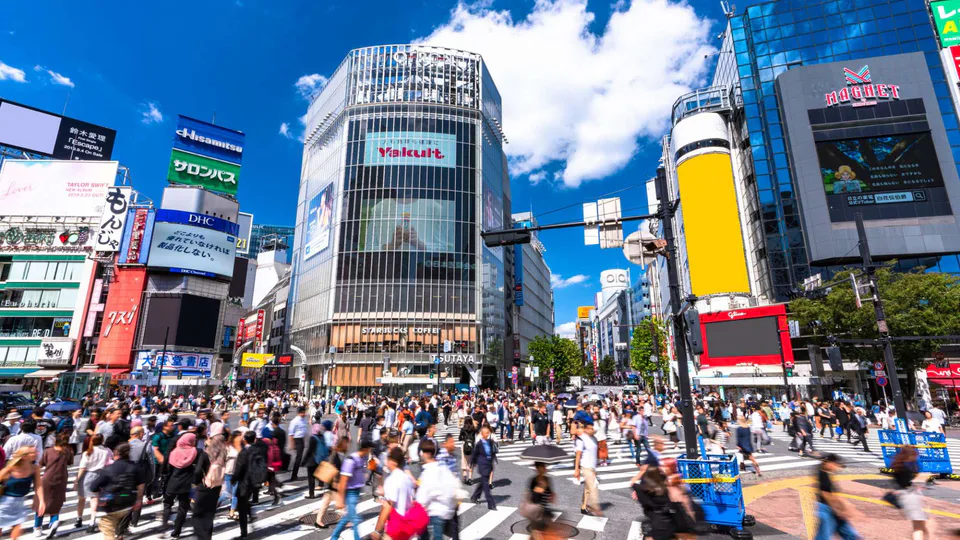
Japan August weather is hard to plan for not because the packing list is complicated, but because summer heat changes how much sightseeing fits into a day. Tokyo averages 26.9°C in August with a normal daytime high of 31.3°C. Osaka averages 29.0°C and reaches 33.7°C on a normal August day. Kyoto is similarly hot, while Sapporo averages only 22.3°C. If one trip combines Tokyo, Kansai and Hokkaido, treating “Japan in summer” as one climate is the first mistake.
The clothing answer is fairly simple: for Tokyo, Kyoto, Osaka and Fukuoka, pack breathable quick-dry summer clothes, sun protection and one very light layer for aggressive air-conditioning. Add a light long-sleeve layer for Hokkaido. In Okinawa, use the luggage space for quick-dry changes, sun protection and weather flexibility rather than a second warm layer. The bigger decision is where you place your outdoor hours.
30-second answer: what should you wear in Japan in August?
↔ Scroll table left or right
Area | August climate normal | What to wear | What actually changes the trip |
Tokyo | 26.9°C mean; 31.3 / 23.5°C high-low | Quick-dry summer clothes + a light AC layer | Midday walking and cross-city transfers |
Kyoto | 28.5°C mean; 33.7°C monthly normal high | Breathable quick-dry clothes + strong sun protection | Temple slopes and long exposed walks |
Osaka | 29.0°C mean; 33.7 / 25.8°C high-low | Full summer clothing + a thin indoor layer | Hot arrival days, luggage and warm evenings |
Fukuoka | 28.4°C mean; 32.5 / 25.4°C high-low; 210 mm rain | Quick-dry clothes + compact rain backup | Downpours, wet shoes and schedule flexibility |
Sapporo | 22.3°C mean; 26.4 / 19.1°C high-low | Summer clothes + one light long-sleeve layer | Cooler mornings, evenings and rural stops |
Naha | 29.0°C mean; 31.8 / 26.8°C high-low; 240 mm rain | Quick-dry changes + sun protection | Sea conditions, storms and activity cancellations |
These figures use Japan Meteorological Agency 1991–2020 climate normals. Normals are useful for eliminating bad assumptions, such as packing Osaka and Sapporo the same way, but they are not a forecast for your exact dates. Recheck temperature, rain, wind and heat-risk information before departure.
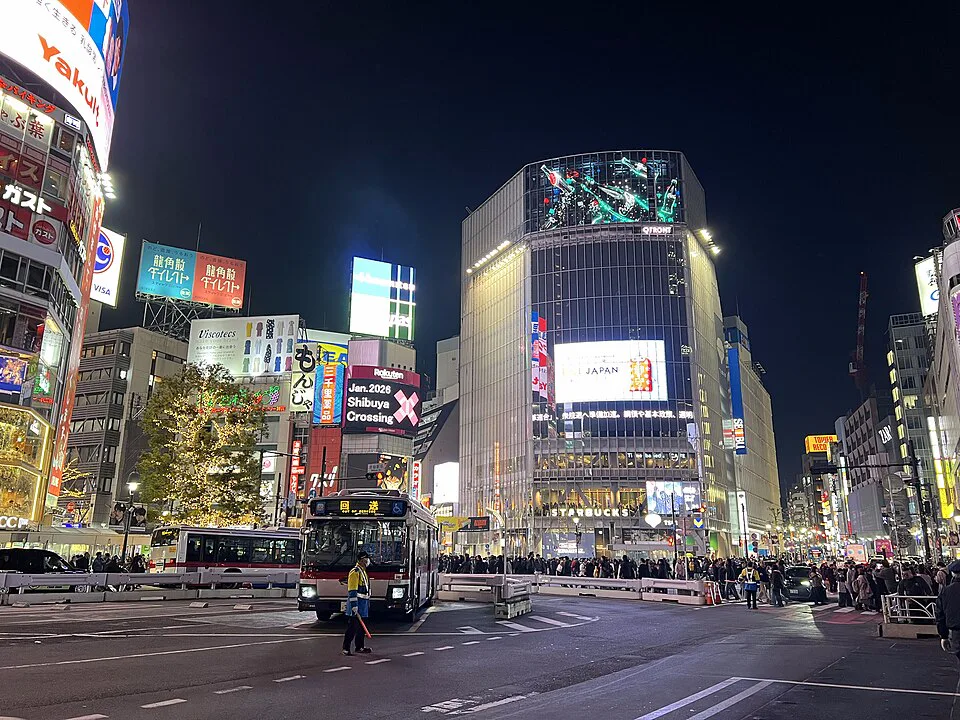
Tokyo in August: 31°C is not the main problem — cross-city sightseeing at noon is
Tokyo’s August climate normal is 26.9°C, with a normal daily high of 31.3°C and low of 23.5°C. Relative humidity is also high enough that the city can feel more tiring than the temperature alone suggests. A day that jumps from Asakusa to Ueno, then Shinjuku and Shibuya, creates more heat exposure than a compact neighborhood day even when the attraction list looks reasonable on paper.
If this is your first visit, decide the basic shape of your Tokyo itinerary by trip length first, then use the Tokyo attractions grouping guide to keep each day geographically tighter. In August, cutting one unnecessary cross-city transfer can improve the day more than adding another cooling gadget to your bag.
Counterpoint: Tokyo has endless indoor spaces, so do you really need to slow down?
Indoor malls, museums and underground passages absolutely make Tokyo easier than an all-outdoor destination. But the hot part is often the connection between them: station walks, street crossings, queues and above-ground transfers. The practical move is not to make the whole day “light”; it is to reserve a real indoor break around the hottest hours.
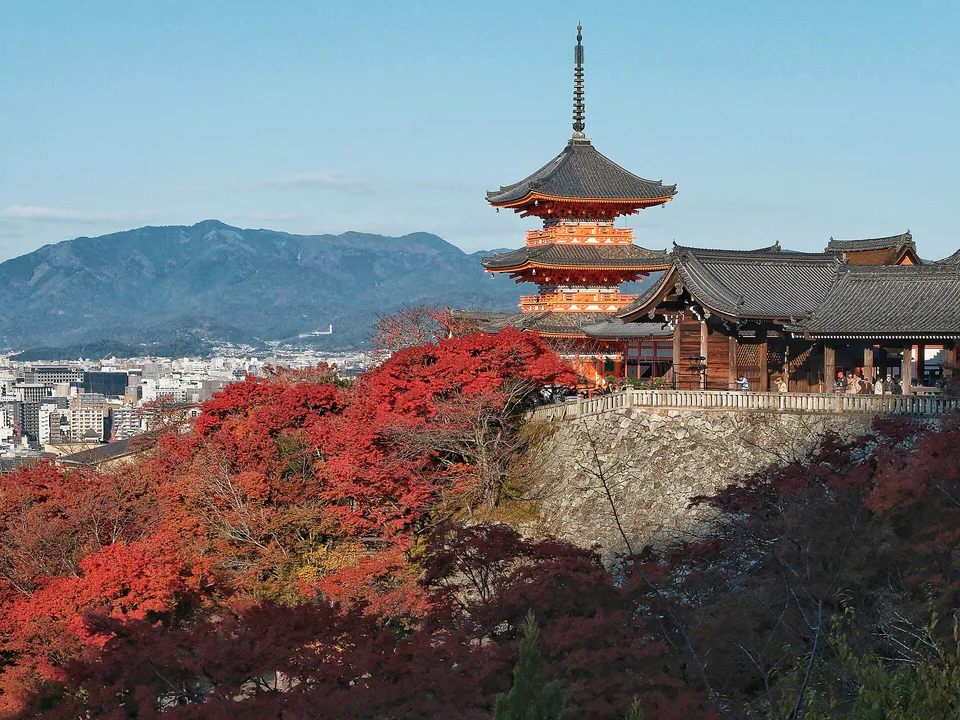
Kyoto in August: a 33.7°C normal high means midday temple walking is the wrong place to be ambitious
Kyoto averages 28.5°C in August, with a monthly normal daytime high of 33.7°C and 153.8 mm of rain. The daily normals show why the beginning and end of the month should not be treated as completely identical: around August 1, the normal high is about 34.2°C; by August 31 it is about 32.1°C. That is a real decline, but 32°C is still summer, not comfortable autumn walking weather.
For Kiyomizu-dera, Higashiyama, Fushimi Inari or Arashiyama, move the longest outdoor walking to the morning. Use midday for lunch, transport or indoor stops, then return outdoors later. Breathable tops, quick-dry bottoms, a hat or parasol and comfortable shoes matter more than carrying a heavy “just in case” layer.
Counterpoint: does late August feel enough cooler to use a September-style itinerary?
Not really. The gradual drop is worth noticing, but a normal high around 32°C at the end of August is still hot enough that a spring or autumn sightseeing pace can be punishing. Late August may be slightly easier than early August; it is not a different season.
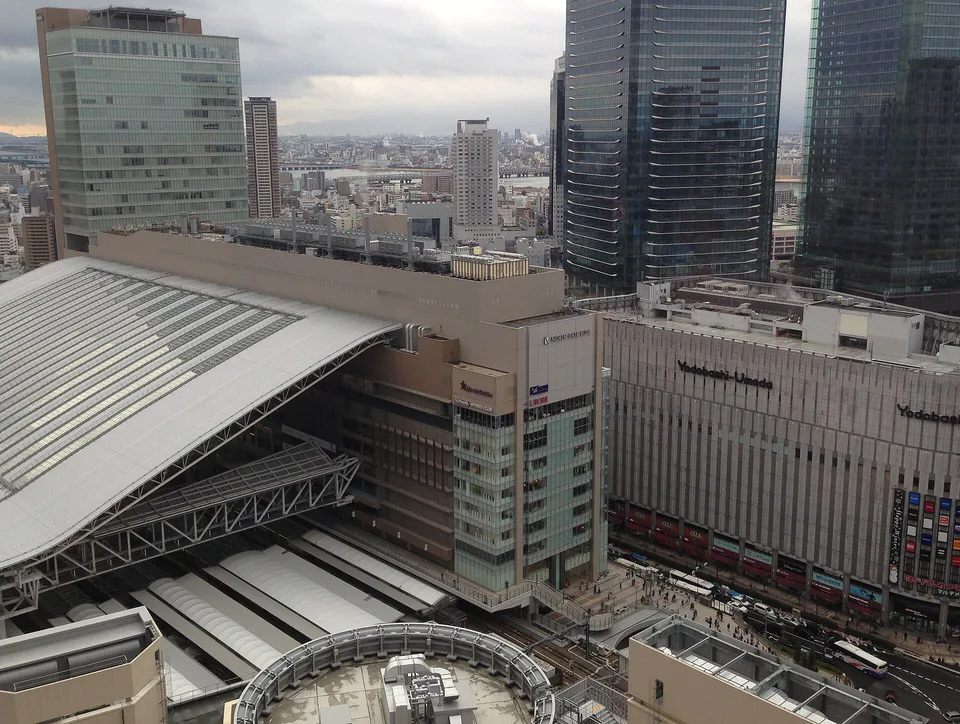
Osaka in August: your arrival day is not a normal sightseeing day when the high is 33.7°C
Osaka’s August normal is 29.0°C, with a daily high of 33.7°C and a low of 25.8°C. That low matters: sunset removes direct sun, but the evening does not suddenly become cool. If you arrive from Kansai Airport with luggage, the first decision is transport and hotel access, not how many attractions you can squeeze in before dinner.
Choose your Kansai Airport to Osaka transfer around the hotel location, then use the Osaka attractions area guide on full sightseeing days. Namba, Umeda, Tennoji and the Bay Area are all manageable individually; repeatedly crossing between them is what makes August unnecessarily exhausting.
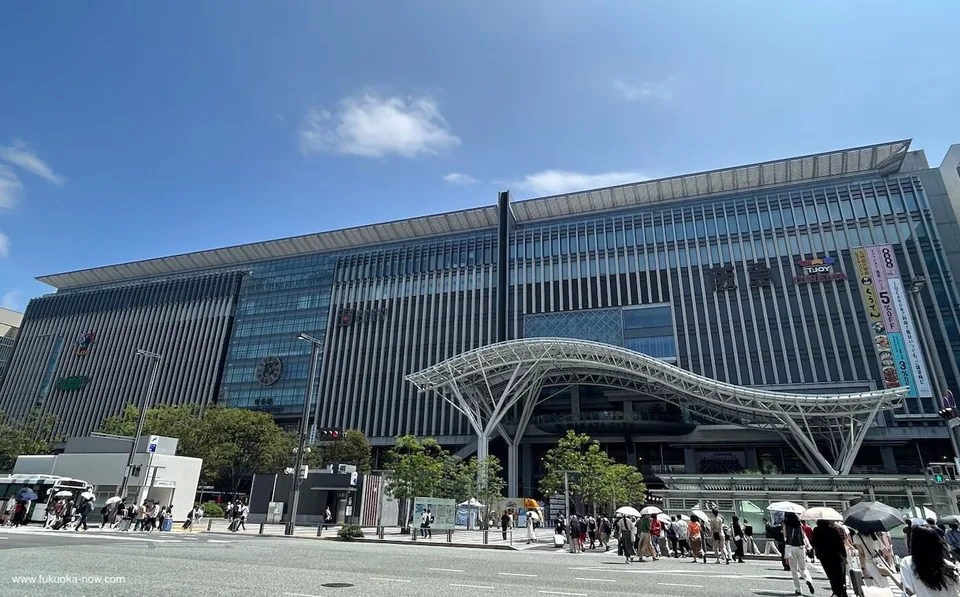
Fukuoka in August: rainy season is over, but 210 mm of normal rainfall is not “dry season”
Fukuoka averages 28.4°C in August, with a normal high of 32.5°C, low of 25.4°C and monthly rainfall of 210.0 mm. That is lower than July, but it is still enough to make a rain backup useful. Short intense showers, unstable afternoon weather or tropical systems can disrupt an outdoor-heavy day even when the month is no longer defined by the rainy season.
You do not need a full monsoon wardrobe. A compact umbrella, quick-dry footwear strategy and spare socks are more useful than overpacking rain gear. If the forecast turns consistently wet, use the Japan rainy-day itinerary backup guide to decide what to keep, shorten or reschedule.
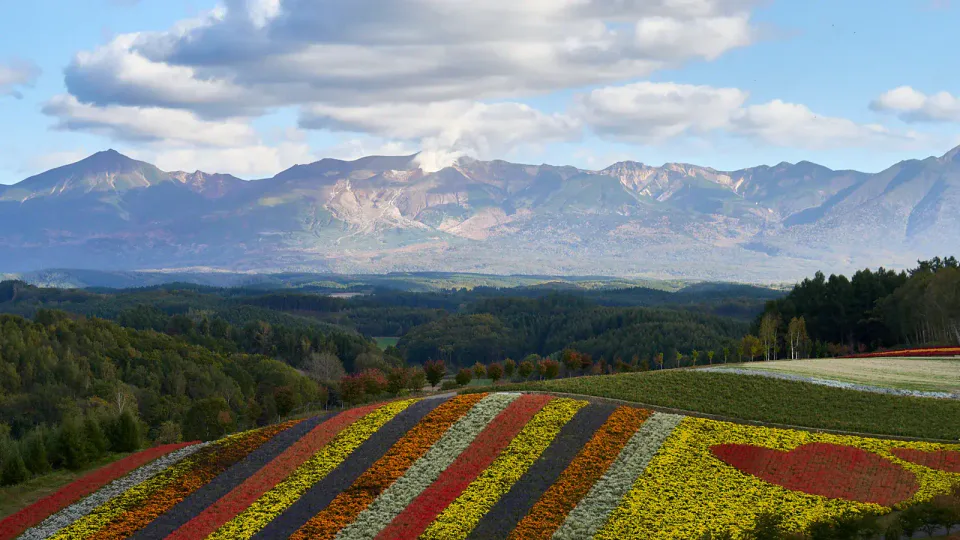
Hokkaido in August: Sapporo at 22.3°C is the clearest exception to Japan’s peak-summer packing logic
Sapporo’s August normal is 22.3°C, with a normal high of 26.4°C, low of 19.1°C and 126.8 mm of rainfall. That is a different summer from Osaka. Short sleeves still work during many daytime hours, but one thin long-sleeve or wind layer is much more useful for early mornings, evenings, breezy days and rural stops.
If your route includes Sapporo, Otaru, Furano or Biei, use the Hokkaido summer itinerary guide before deciding how much time to spend outside the city. Hokkaido’s advantage in August is lower heat, not immunity from sun exposure, rain or day-to-night temperature changes.
Counterpoint: if Sapporo only reaches the mid-20s, can you ignore heat precautions?
No. Mid-20s weather is far more comfortable than Osaka in the mid-30s, but long outdoor days, flower fields, open car parks and rural driving stops still add sun exposure. You can scale heat precautions down; you should not delete sun protection and hydration entirely.
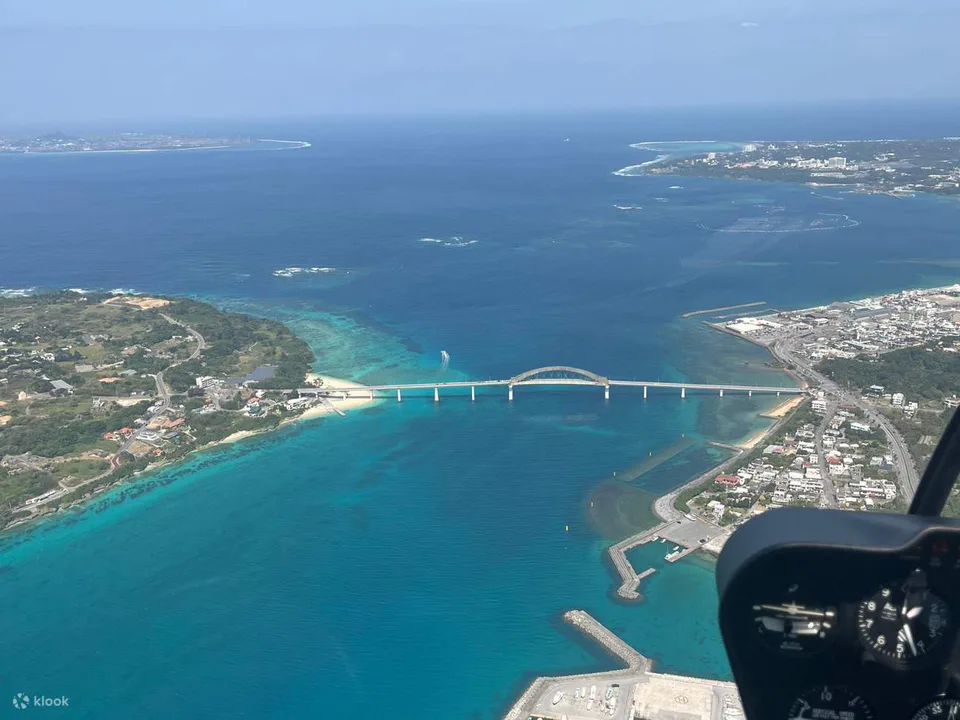
Okinawa in August: the temperature is predictable; sea conditions are what can cancel the day
Naha averages 29.0°C in August, with a normal high of 31.8°C, low of 26.8°C and 240.0 mm of rain. The temperature is close to July, but an Okinawa itinerary with boats, snorkeling, diving or other marine activities has another variable: wind, waves, thunderstorms and tropical systems can cancel or delay activities even when a simple weather icon looks acceptable.
First-time visitors should lock in the broader Okinawa transport and itinerary structure before stacking activity days. If marine activities are central to the trip, keep the Okinawa rainy-day and typhoon backup guide ready. The space in your suitcase is better used for quick-dry changes, sun protection and a waterproof bag than for a second warm jacket.
August heat management in Japan: itinerary design matters more than cooling accessories
Japan’s heat-risk system uses WBGT-based information and heat-stroke alerts. Travelers do not need to memorize every threshold to make a useful decision. When risk is elevated, reduce long outdoor stretches around midday, build in air-conditioned rest stops and give children, older travelers and anyone who struggles with heat more recovery time.
Portable fans, cooling towels and parasols can make you more comfortable, but they cannot turn two exposed hours at midday into a low-stress plan. If the choice is between buying one more heat gadget and moving one long outdoor block to the morning, the schedule change usually has the larger effect.
Tokyo + Hokkaido or Tokyo + Okinawa: do not average the packing list
Tokyo + Hokkaido: share the summer base, then add one light outer layer
Your quick-dry Tokyo summer clothes also work in Sapporo. The difference is that Sapporo’s normal low around 19°C makes one thin long-sleeve or wind layer worth carrying for mornings and evenings. You do not need a separate spring wardrobe for Hokkaido, but you should not let Tokyo heat convince you to remove every layer.
Tokyo + Okinawa: the clothes are similar; the failure modes are different
Both destinations use lightweight summer clothing. Okinawa needs more attention to wet clothing, marine conditions and activity cancellation; Tokyo needs more attention to city walking and air-conditioning transitions. If you rely on live forecasts, transport updates and operator notices, set up your Japan eSIM plan before departure rather than depending on public Wi-Fi when conditions change.
Five common Japan August packing and itinerary mistakes
First, using a monthly average around 27–29°C to underestimate 31–34°C daytime exposure. Second, assuming the end of rainy season means August is dry everywhere. Third, copying a spring or autumn walking schedule into Kyoto or Tokyo. Fourth, packing Hokkaido exactly like Osaka. Fifth, preparing only for sunshine and having no response to wet shoes, afternoon storms or marine-activity cancellations.
How to check the forecast before departure
About 7–10 days before the trip, use the temperature and rainfall trend to decide the proportion of short sleeves, light layers and rain backup. Around 48–72 hours before each travel day, look again at hourly rain, thunderstorms, wind and heat-risk information, then reorder outdoor stops. This is a planning rhythm, not a forecast guarantee. Typhoon warnings, transport disruption and tour-operator notices always override climate normals.
FAQ: Japan August weather and what to wear
Do I need a jacket in Japan in August?
For Tokyo, Osaka, Kyoto and Fukuoka, a very light layer is mainly for air-conditioning. In Sapporo, a thin long-sleeve or wind layer is more useful because evenings are cooler. Okinawa normally does not require a warm jacket.
Is August drier than July in Japan?
Not in one simple national sense. Osaka’s August normal rainfall is 113.0 mm, but Fukuoka still has 210.0 mm and Naha 240.0 mm. August is better treated as peak summer with location-specific rain and storm risk, not as a uniformly dry month.
Is Kyoto a bad idea in August?
No, but the spring-style itinerary is a bad idea. Start outdoor temples early, cut back at midday and return outside later. The destination still works; the daily pacing has to change.
Do I need long sleeves in Hokkaido in August?
Sapporo’s normal low is 19.1°C. A thin long-sleeve layer is useful for mornings, evenings, rural areas and windy days, while daytime clothing can still be typical summer wear.
Final verdict: in Japan in August, reduce itinerary optimism before you reduce the packing list
If your trip is only Tokyo, Osaka, Kyoto or Fukuoka, packing is straightforward: breathable quick-dry clothes, sun protection, hydration, one thin indoor layer and a basic rain backup. Add one light outer layer for Hokkaido. In Okinawa, use the spare space for quick-dry changes and weather flexibility. The real August decision is not how many shirts to bring — it is how many outdoor hours you expect yourself to sustain, and whether the plan can switch when heat, rain or sea conditions change.
Data baseline: Japan Meteorological Agency 1991–2020 climate normals. Recheck current forecasts, heat-risk information, warnings and operator notices before travel; climate normals cannot predict the conditions on your exact dates.