
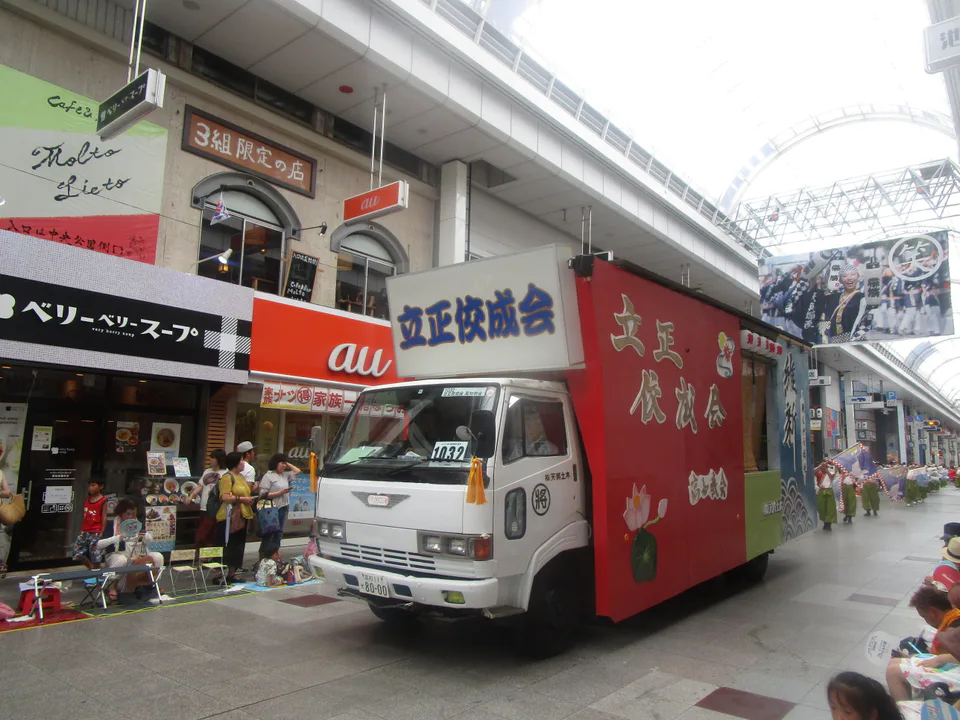
For the 2026 Kochi Yosakoi Festival, the lowest-friction accessibility plan was not to chase venues. It was to make one reserved Otesuji viewing block the main event, save accessible toilet locations before leaving the hotel, and add only one short central stop if heat, rain and crowd conditions still felt manageable. That remains the useful planning lesson for wheelchair users, older travellers and anyone who cannot stand for long periods.
Start with the Yosakoi Festival main guide if you still need the four-day structure. If the real issue is simply where to watch, the Otesuji vs Obiyamachi vs Chuo Park comparison explains the general viewing trade-off; this page prioritises mobility and recovery instead.
Wheelchair plan in 30 seconds
Use Otesuji wheelchair seating as the main viewing block when available.
Choose daytime or night around heat tolerance and exit pressure, not hype.
Add at most one central stop such as Chuo Park or Obiyamachi.
Save Kochi City’s current barrier-free map and arrange JR assistance before travel when needed.
Otesuji’s 2026 wheelchair area bought predictability at a low price
On August 10 and 11, the official Otesuji programme ran 13:15–17:15 in the daytime and 17:45–21:30 at night. The dedicated wheelchair area was a tented free space: daytime B cost ¥500 and A ¥1,000; night B cost ¥1,000 and A ¥1,500. One companion could buy the same wheelchair-area ticket and use a pipe chair.
The value was not luxury. It was removing hours of roadside standing, reducing the need to defend a position, and making the entrance and exit more predictable. For a group needing more room for a wheelchair, stroller or larger belongings, the official group area offered a separate, less congested entrance and more space, but at a much higher price.
Day or night: choose the easier stressor
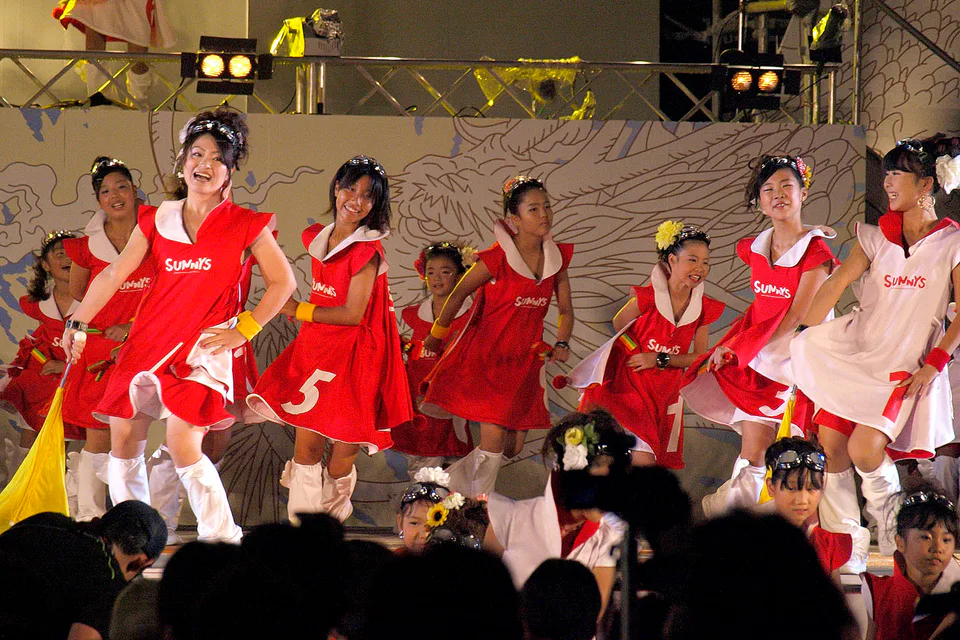
The daytime block finishes earlier and gives more buffer for the return, but August heat can make even a short outdoor transfer expensive in energy. The night block is cooler and more atmospheric, but a 21:30 finish concentrates the exit. There is no universal winner: choose the session whose hardest condition — heat or late crowd flow — is easier for your group to manage.
Hotel location matters here. Compare Kochi Station, Obiyamachi and Saenbacho before choosing a night session that creates a difficult trip back to the room.
Pair this with: Where to Stay for Kochi Yosakoi
Keep the second stop inside central Kochi
On the 2026 main days, Obiyamachi operated 11:00–22:00 and Central Park 11:30–22:00. Both were central enough to be optional add-ons after a fixed block, but neither should become compulsory. Cancelling the second stop when wheelchair pushing, leg pain or crowd density increases is not missing the festival; it protects the part you already chose well.
If you are linking Kochi with Tokushima, use the four-day Shikoku itinerary without a car to keep the transfer in daylight, then compare the Tokushima Awa Odori guide for a different seated-versus-street decision.
Accessible toilets and station assistance should be planned before the festival block
Kochi City refreshed its central barrier-free information in April 2026 and later updated category pages in June. It includes facilities with wheelchair-usable toilets and other accessibility details. Save the current map before the festival rather than waiting until a toilet becomes urgent.
JR Shikoku also provides station assistance contacts, including Kochi Station. If the wider trip creates several hotel changes, the Japan luggage-forwarding guide can reduce what must move with the wheelchair or walker. For unfamiliar local bus mechanics, the Japan bus guide is only a general reference; exact festival and accessibility instructions take priority.
Rain and heat should shorten the route, not force a sunk-cost day
Different Yosakoi venues can respond differently to weather and safety conditions. The low-friction backup is simple: keep the confirmed fixed viewing block and remove the second stop when heavy rain, extreme heat or crowd pressure increases the effort level. The ticket does not create an obligation to use every hour outdoors.
For wider disruption, use the Japan rainy-day itinerary backup guide. For a lower-intensity daytime break, the Kochi katsuo tataki guide is more useful at lunch than adding another hot outdoor attraction.
Final verdict
For a wheelchair user or anyone with limited standing tolerance, one predictable Otesuji viewing block plus a short central backup was the strongest 2026 strategy. Save accessible facilities first, choose day versus night by the stressor your group handles better, and make every additional venue optional.
Miraikan Grand Antarctica Exhibition 2026: Tickets, Highlights and Odaiba Plan
USJ Halloween Horror Nights All Night 2026: Tickets and Plan
Nada no Kenka Matsuri 2026: If You Only Go One Day, Choose Oct 15
Niseko Ski Trip Guide 2026–27: Transport, Areas, Passes and Budget
Mifuneyama Rakuen Autumn Illumination 2026: Tickets, Access and Hotels
References
Kochi City Tourism Association — official 2026 Otesuji wheelchair and reserved seating information
JR Shikoku — accessibility and station assistance information