
The best early morning things to do in Tokyo are not simply the attractions that look good before breakfast. Before about 9:00 a.m., Tokyo runs on a different timetable: Senso-ji and Meiji Jingu can genuinely reward an early start, while Tsukiji Outer Market is still prioritizing professional buyers and the Imperial Palace East Gardens are not open yet. If jet lag has you awake at 5 or 6 a.m., treat those hours as a special window with a short list of good uses — not as a free extra half-day.
If you have not grouped the rest of your trip by area yet, start with how to assign whole sightseeing days in Tokyo. If your bigger problem is whether Tokyo needs four, five or seven days, use the Tokyo itinerary decision guide first. This page solves a narrower question: what is actually worth doing between roughly 6:00 and 10:00 a.m., before normal museum, shopping and timed-ticket hours take over.
Quick answer: 6 a.m., 8 a.m., 9 a.m. and 10 a.m. are four different Tokyos
Around 6 a.m., Senso-ji and Meiji Jingu are the strongest choices because you can begin the actual visit rather than just wait near a closed attraction. Senso-ji’s Main Hall opens at 6:00 a.m. from April through September and 6:30 a.m. from October through March. Meiji Jingu opens with sunrise, which means 5:00 a.m. in August, 5:20 a.m. in September, 5:40 a.m. in October, 6:10 a.m. in November and 6:40 a.m. in December under its current official schedule.
From roughly 7 to 8:30 a.m., keep the plan local. Temple grounds, shrine walks, riverside paths, parks and breakfast all work; most museums, malls and ticketed attractions do not. Crossing the city at this point is usually a bad trade unless your hotel is already in the destination area.
At 9:00 a.m., the useful menu expands. Tsukiji Outer Market’s official public-buyer hours begin at 9:00, and the Imperial Palace East Gardens open at 9:00 on operating days. Ueno Park itself is always open, but its museums and other facilities follow their own hours.
By 10:00 a.m., Tokyo starts behaving like the city most itineraries are written for. Museums, shopping, observation decks and timed attractions become much easier to connect. The point of an early-morning plan is therefore not to keep sightseeing at full speed from 6:00 onward; it is to bridge the hours before your main day starts without wasting energy or transit time.
Senso-ji is the safest 6 a.m. option — but an open temple is not an open Nakamise
Senso-ji is one of the rare major Tokyo sights where an early wake-up can translate into a real visit. The Main Hall currently opens at 6:00 a.m. from April to September and 6:30 a.m. from October to March, closing at 5:00 p.m. That makes Asakusa unusually useful before the rest of the city has fully started.
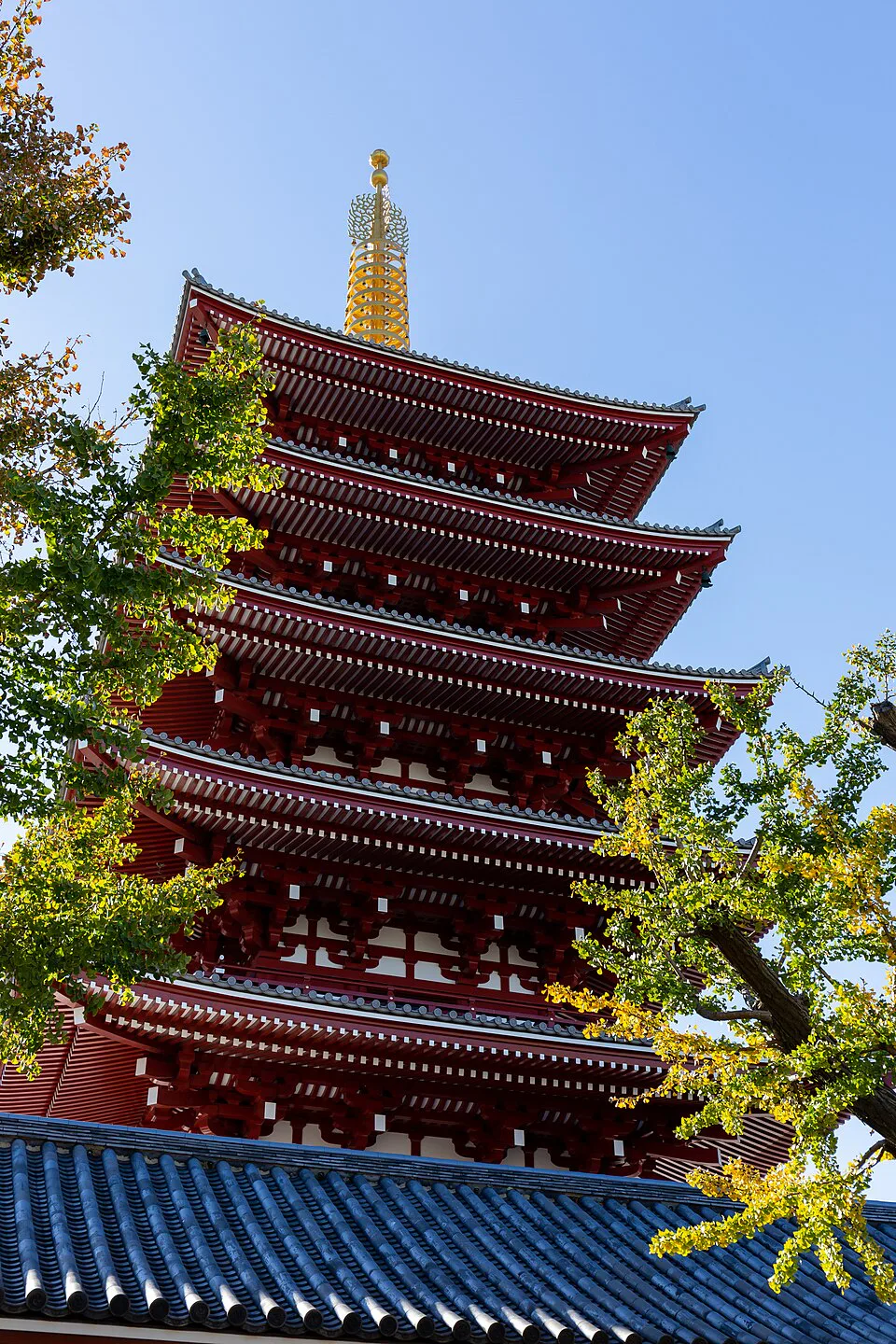
The useful early-morning route is Kaminarimon, the approach to the temple, the Main Hall, the pagoda area and then a walk toward the Sumida River. What you should not assume is that every shop and food stall on Nakamise will be operating at the same hour. Temple access and shopping hours are different decisions.
That distinction determines whether waking up early is worth it. If your goal is a quieter approach, prayer, photographs with less foot traffic or a riverside walk, the early start has a clear payoff. If the real purpose is souvenirs, a specific sweet shop or a food crawl, arriving two hours earlier may simply create dead time.
Travellers staying in Ueno or Asakusa have another advantage: they do not need to cross Tokyo to use this window. The Ueno vs Shinjuku comparison explains why Ueno can work particularly well when Narita access and east-Tokyo mornings matter more than Shinjuku nightlife. In that case, staying east from 6:00 to 9:00 a.m. is a location advantage, not a compromise.
Meiji Jingu really does open early, but the gate is not the shrine
Meiji Jingu opens every day with sunrise and closes with sunset. The official monthly schedule currently ranges from 5:00 a.m. openings in late spring and summer to 6:40 a.m. in January and December. That means ‘visit Meiji Jingu at dawn’ changes substantially by season; always check the month of your trip rather than copying a summer itinerary into winter.
The more important planning mistake is underestimating the walk. Reaching a shrine entrance is not the same as reaching the main sanctuary. Meiji Jingu’s own access guidance notes that the walk from an entrance to the main shrine takes additional time. If your goal is a proper visit rather than a gate photo, budget the walk both ways and leave room for a calm pace.
A sensible west-Tokyo morning is therefore Meiji Jingu first, then Yoyogi Park or breakfast, followed by Harajuku and Shibuya only when those areas have actually started operating. The bad version is Meiji Jingu at dawn followed by an immediate dash to shops that will not open for hours.
Large luggage is a hard stop. Meiji Jingu does not operate a suitcase-storage service inside the shrine grounds. If this is an arrival morning or a checkout day, leave your bags at the hotel or a station before committing to the long approach. An extra hour of sightseeing is not worth dragging a full-size case through the forested grounds.
Tsukiji’s biggest morning trap: 6 a.m. is not the best time for most tourists
Tsukiji is the clearest example of why ‘earlier’ and ‘better’ are not the same thing. The Tsukiji Outer Market’s official 2026 calendar lists 6:00–9:00 a.m. as professional-buyer hours and 9:00 a.m.–2:00 p.m. as public-buyer hours. Its visitor guidance explicitly asks tourists to give professional buyers priority before 9:00 a.m.
That does not mean tourists are banned before 9:00. It means you should not design a first-time visit around the assumption that 6:00 a.m. is the ideal sightseeing hour. Some food businesses may open early, but shop schedules vary. If your goal is to browse a wide range of stores, buy pantry goods or compare specialist shops, 9:00 a.m. generally aligns better with the market’s own public-shopping timetable.
If your shopping list includes knives, tableware or kitchen tools, do not treat Tsukiji and Kappabashi as interchangeable ‘morning markets’. Use the Kappabashi vs Tsukiji shopping guide to decide whether you are really shopping for food or for professional kitchen goods before assigning the morning.
Tsukiji also asks visitors not to bring large bags into its narrow streets. That matters on a checkout day. If you are carrying luggage before an airport transfer, a market visit may be a worse use of the morning than a station-area walk where bag storage is straightforward.
The Imperial Palace East Gardens are a 9 a.m. plan, not a dawn plan
The East Gardens of the Imperial Palace are free, but they currently open at 9:00 a.m. Opening does not move earlier in summer; only closing time changes by season. The gardens are normally closed on Mondays and Fridays, with holiday exceptions, and may also close for Imperial Court functions. Baggage inspection is conducted at the entrance.
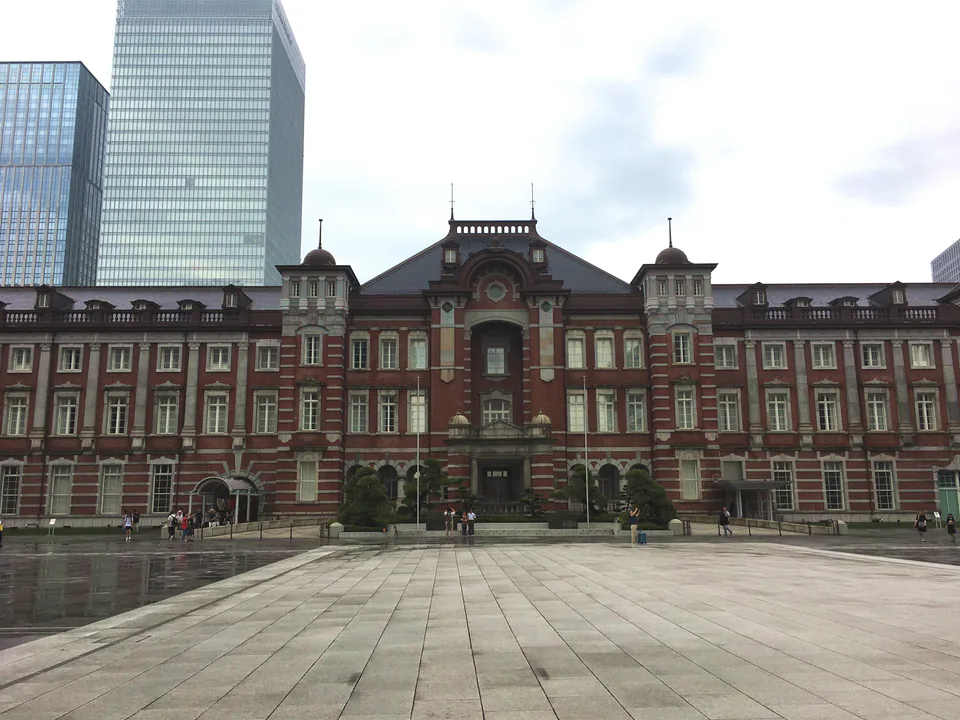
So if you are staying around Tokyo Station and wake at 6:30 a.m., do not walk straight to an East Gardens gate and wait. Use Marunouchi, the station area, breakfast or an exterior palace walk as the buffer, then decide whether the gardens still fit once 9:00 approaches.
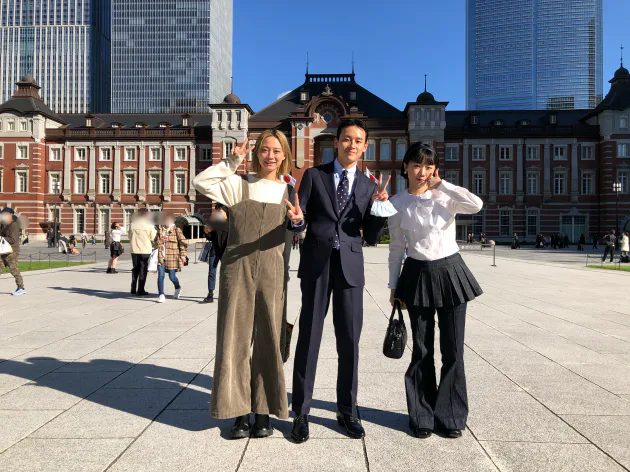
This is also one of the practical differences in Tokyo Station vs Shinjuku as a hotel base. Tokyo Station is not automatically the more exciting neighborhood, but on a morning involving luggage, a Shinkansen or central-Tokyo sightseeing, it can reduce the number of things that must happen before the day really starts.
Because the Imperial Household Agency recommends bringing minimal belongings and suggests leaving baggage at a station locker or hotel, the East Gardens are also a poor ‘I already checked out and have all my luggage’ stop. The limitation is not the admission fee. It is what you have to carry through security and around a large garden.
Ueno Park can absorb an early hour — but that does not make its museums early-morning attractions
Ueno Park itself is free and officially listed as always open. That makes it useful for jet-lagged travellers who want a low-stakes walk around Shinobazu Pond or a calm start before 9:00. It does not mean the museums, cafés and individual facilities inside the park are operating around the clock.
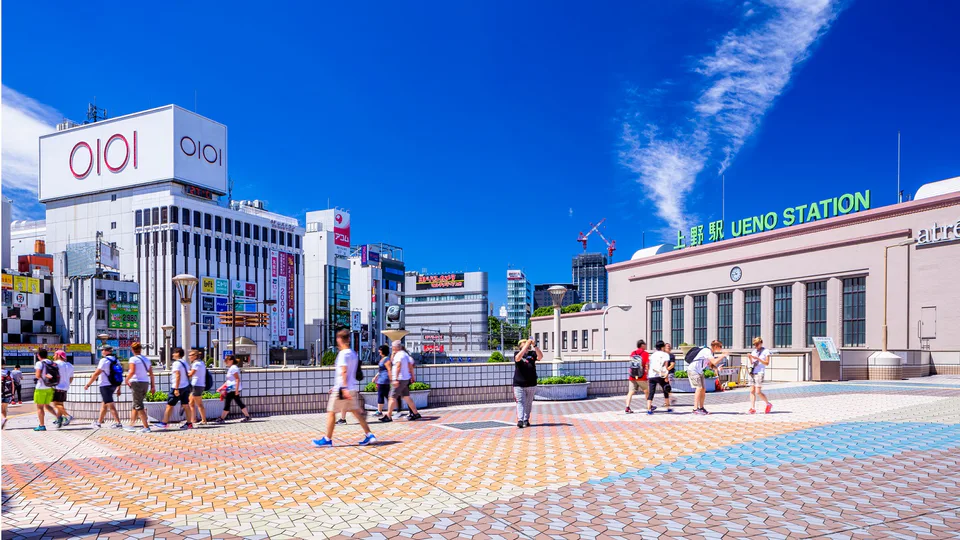
If the National Museum of Nature and Science is the real purpose of your Ueno day, treat the park walk as a prelude rather than the attraction itself. The museum decision guide is built around the 3–5 hours that a serious museum visit can consume. There is no benefit in exhausting yourself before that paid or time-intensive part of the day begins.
Three early-morning Tokyo routes that work without crossing the city
East Tokyo: Senso-ji → breakfast or Sumida River → Ueno
This is best for travellers based in Asakusa or Ueno, especially when Narita access is part of the same hotel decision. Start at Senso-ji around opening time, use breakfast or the Sumida River to bridge the quieter hours, then move toward Ueno after 9:00 when museums and shops begin to become realistic options. The key is that the entire morning stays on the east side.
Central Tokyo: Marunouchi → 9 a.m. East Gardens, or Tsukiji at 9
If you are staying near Tokyo Station, Ginza or Marunouchi, you have two clean choices. For gardens, spend the first hour or two around Tokyo Station and enter the East Gardens after 9:00 on an operating day. For food and shopping, skip the 6:00 a.m. tourist rush to Tsukiji and arrive closer to the market’s public-buyer hours instead.
West Tokyo: Meiji Jingu → Yoyogi → Harajuku or Shibuya
This works best from Shinjuku, Shibuya or Harajuku. Enter Meiji Jingu according to the official monthly opening time, give the shrine walk enough time, then use Yoyogi Park or breakfast as the bridge. Harajuku and Shibuya become useful only when the places you actually want to visit are opening.
If you are still choosing a hotel area, the first-time Tokyo hotel-area guide can be read backwards: if quiet east-Tokyo mornings genuinely matter to you, do not choose Shinjuku only because it is famous; if every night ends in west Tokyo, do not relocate your whole trip just to make one dawn visit easier.
Jet lag makes early mornings valuable — but only near your hotel
Travellers arriving from North America or Europe often find themselves awake unusually early during the first few mornings. That can turn 6:00–10:00 a.m. into genuinely useful time, but only if the route remains easy. The smart use of jet lag is to start the neighborhood early, not to add a 40-minute train ride across Tokyo before breakfast.
If the previous night includes a concert, late dinner, bar, observation deck or long flight recovery, the equation changes. Missing one free park or shrine hour is cheap. Carrying sleep debt into the part of the day with timed tickets, queues and substantial walking is expensive.
With children, older parents or luggage, raise the bar for waking early
Families should not treat ‘the kids woke up at 5:30 anyway’ as permission to add another district. If a child still needs a midday nap or the stroller will be moved on and off trains, an extra early route can simply shift the difficult part of the day earlier. The Tokyo family attractions guide is built around age, naps and stamina for exactly this reason.
The same logic applies when travelling with older parents. A shrine approach, a large garden and a museum can add up to a lot of walking before lunch. If mobility and transfers matter more than squeezing in one extra free sight, compare hotel bases with the Tokyo-with-parents hotel guide before turning every morning into a sightseeing block.
Luggage makes the decision even simpler. Meiji Jingu does not offer suitcase storage, Tsukiji asks visitors to leave large bags elsewhere, and the East Gardens conduct baggage checks and recommend storing luggage at a hotel or station. Until the bags are dealt with, your first job is logistics, not sightseeing.
When you should skip the early-morning plan entirely
Do not add a 6–10 a.m. sightseeing block before Tokyo Disney, a full theme-park day, a long day trip, an early group-tour meeting or a non-refundable timed ticket before noon. Those days already contain a high-energy or high-consequence commitment. Breakfast, transit and arriving early are usually the better use of the morning.
Heavy rain is another reason to drop the plan rather than force it. If weather changes the value of outdoor shrines and parks, use the Tokyo rainy-day itinerary to rebuild the day around indoor clusters instead of defending an early-morning checklist that no longer makes sense.
Summer heat, poor sleep and a delayed arrival are also valid reasons to do less. The strongest feature of an early-morning itinerary is that it is disposable. If it starts threatening the paid, reserved or genuinely important part of your day, cut it.
The rule that keeps this useful: do not cross Tokyo before 10 a.m.
For a first trip, the most reliable rule is not ‘wake up early’. It is ‘stay in one side of the city until the normal day begins’. Asakusa and Ueno belong together. Meiji Jingu, Harajuku and Shibuya belong together. Tokyo Station, Marunouchi and the East Gardens belong together. Tsukiji belongs with a central or Ginza-side morning.
Once you start stacking Asakusa, Meiji Jingu and Tsukiji before breakfast, the morning stops being a clever use of dead time and turns into a transit challenge. That is exactly the problem the Tokyo attractions route guide is designed to prevent.
Final verdict: think in opening times, not in ‘extra hours’
If you wake early in Tokyo, remember four rules. First, Senso-ji and Meiji Jingu are the two major sights that genuinely support a very early start. Second, Tsukiji is usually more visitor-friendly from 9:00 a.m., when the official public-buyer period begins. Third, the Imperial Palace East Gardens open at 9:00 and require a calendar check because of regular closure days. Fourth, do not cross the city before 10:00 just to collect another sight.
The goal is not to score three attractions before breakfast. It is to convert otherwise awkward waiting time into one walk, one shrine or one neighborhood start that does not damage the rest of the day. If the plan requires two train rides, large luggage or sacrificed sleep, put the attraction back into the full sightseeing day where it belongs.
Official sources checked for this guide
Senso-ji official visitor information — Main Hall opening times and daily schedule.
Meiji Jingu official visiting hours — monthly sunrise/sunset opening and closing times.
Meiji Jingu official Q&A — visitor rules and facilities.
Tsukiji Outer Market 2026 calendar — professional-buyer and public-buyer hours, market etiquette and current operating calendar.
Imperial Household Agency: East Gardens — 9:00 opening, seasonal closing times, closure days and baggage inspection.
Tokyo Metropolitan Park Association: Ueno Park — park access status and admission information.