Forty things to do in Tokyo should never become a forty-item checklist. For a first trip, a much better target is eight to twelve choices: one main area per full day, one time-sensitive attraction as the anchor, and enough empty space for meals, weather changes and the fact that Tokyo neighborhoods can easily absorb more time than expected. If you only have four or five days, adding Disney, Warner Bros. Studio Tour Tokyo, teamLab or a day trip means something else has to go.
This guide groups 40 options into East Tokyo, central Tokyo and Roppongi, West Tokyo, the bay and Toyosu, family/theme-park choices, and nature-oriented escapes. The booking-priority labels below are ValueNavi planning labels, not official ratings: “high” means lock the date or time once you decide to go; “low” means it works better as flexible filler. Tokyo Disneyland and Tokyo DisneySea are physically in Urayasu, Chiba, but they are included because each can consume an entire Tokyo itinerary day.
The 30-second cut: for 4–5 days in Tokyo, 8–12 attractions is already a lot
For four days, keep one East Tokyo day and one West Tokyo day, choose either central Tokyo or the bay for another day, then decide whether your final full day goes to Disney, Warner Bros. Studio Tour Tokyo or a day trip. For five days, you gain one more themed day — not permission to add Disney, Mt Fuji, Nikko and Kamakura all at once. If you have not fixed the trip length or hotel base yet, start with the Tokyo itinerary planning guide before buying timed tickets.
High booking priority: SHIBUYA SKY, teamLab Borderless, teamLab Planets, Warner Bros. Studio Tour Tokyo, Chiikawa Park, KidZania and Disney. Medium: Tokyo Skytree, Art Aquarium Museum GINZA, Sanrio Puroland, Yomiuriland and sumo experiences. Low: temples, parks, neighborhoods and most permanent museum collections. Low does not mean unimportant; it means these are easier to move around when weather or energy changes.
First decide how many full Tokyo days you actually have
Before choosing things to do in Tokyo, ask these five questions
First: does this attraction deserve a full day or half-day? Disney, Sanrio Puroland and Yomiuriland rarely work as quick add-ons. Second: is there a fixed entry time? SHIBUYA SKY, teamLab and the Harry Potter studio tour can dictate the rest of the day. Third: are you duplicating the same function? Three observation decks and two digital-art museums may look different online, but collecting all of them usually costs more time than it adds variety.
Fourth: will your travel companions actually use what you are paying for? Families should look at nap times, height rules and stroller friction; older parents may care more about walking and recovery time; couples often get more value by pairing one sunset or night-view stop with dinner instead of stacking viewpoints. Fifth: what happens if the weather fails? Indoor museums are easy rain backups. Mount Takao, Okutama and open-air observation areas need a real Plan B.
Once you have a shortlist, only then ask whether a multi-attraction ticket saves money. A pass is useful when it matches the sights you already chose, not when it creates extra sights just to “get value.” See the Tokyo attraction pass comparison after you have cut the list down.
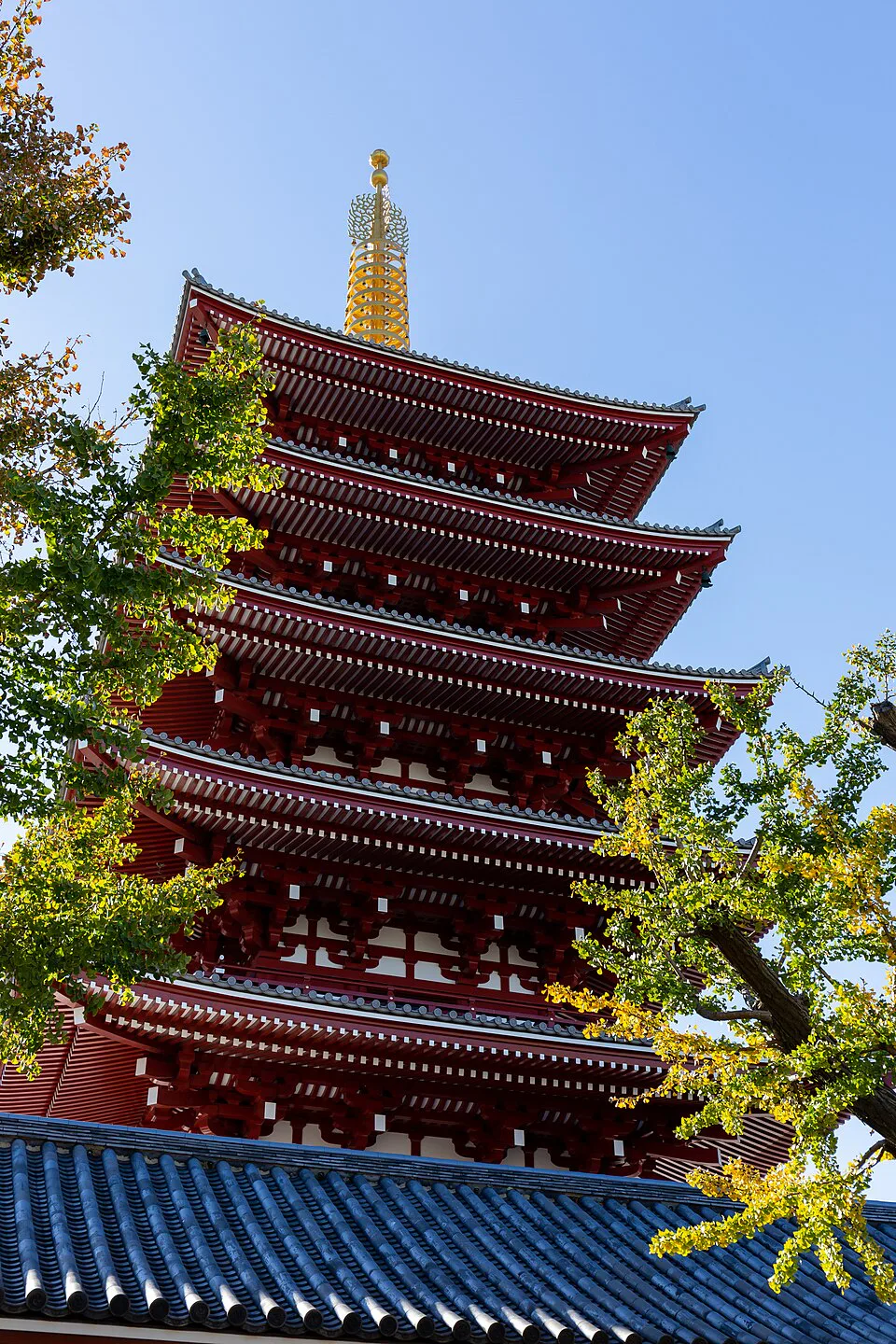
8 things to do in East Tokyo: keep Asakusa, Ueno and Ryogoku on the same side of the city
1 | Senso-ji: the safest free history stop for a first Tokyo trip
Booking priority: low. It works especially well for first-timers, older travelers and anyone who wants temples and old shopping streets in the same morning. The mistake is treating Kaminarimon as a ten-minute photo stop before crossing the city to Shibuya. Senso-ji becomes more useful when it connects Nakamise, the Sumida River and, if you want a skyline stop, Tokyo Skytree.
2 | Tokyo Skytree: choose it when East Tokyo is already in your day
Booking priority: medium. If Asakusa is already on your route, Skytree is a more efficient skyline choice than crossing Tokyo for another deck. If you are ending a West Tokyo day at SHIBUYA SKY, you probably do not need both unless observation decks are a specific interest. See the Tokyo observation deck comparison before paying for two similar views.
3 | Ueno Park: think of it as the container for a museum day, not one attraction
Booking priority: low. The park itself is free, but its real planning value is that Tokyo National Museum, the National Museum of Nature and Science, the zoo and Ameyoko all sit in the same wider area. The classic mistake is assuming every museum can be “done” in an hour.
4 | Tokyo National Museum: give it 2–3 hours if Japanese art and history are the point
Booking priority: low to medium; special exhibitions are a separate decision. This is not a good “quick look while in Ueno” museum if you actually care about the collection. Check the Tokyo National Museum 2026 guide for ticket and exhibition trade-offs before deciding how much of Ueno to give it.
5 | National Museum of Nature and Science: the ticket is cheap; your 3–5 hours are not
Booking priority: low. It is strong for dinosaurs, natural history, science and families who will actually engage with the galleries. If museums are only a mild interest, going in because the admission price looks cheap can cost you half of Ueno. The National Museum of Nature and Science guide is built around that time-cost decision.
6 | Ryogoku Kokugikan and sumo: check the calendar before buying a “sumo experience”
Booking priority: medium to high. If your dates overlap a Tokyo grand tournament, a real basho is harder to replace than a staged show. Outside tournament periods, choose between morning practice and a tourist-friendly sumo show based on realism, timing and ease. The Tokyo sumo comparison separates those three products.
7 | Nezu Shrine: keep it if Yanesen is already part of the plan
Booking priority: low. Nezu Shrine makes sense as part of a Yanaka–Nezu–Sendagi walk, not as a shrine you must cross Tokyo to collect. If you already have Senso-ji and Meiji Jingu and temples are not a major interest, this is an easy cut.
8 | Rikugien Gardens: seasonal color or a genuine garden interest should be the reason
Booking priority: low. It is a good choice when you deliberately want a slower Tokyo day, especially around autumn color or seasonal evening illuminations. With only three or four days and little interest in Japanese gardens, do not add it simply because it is famous.
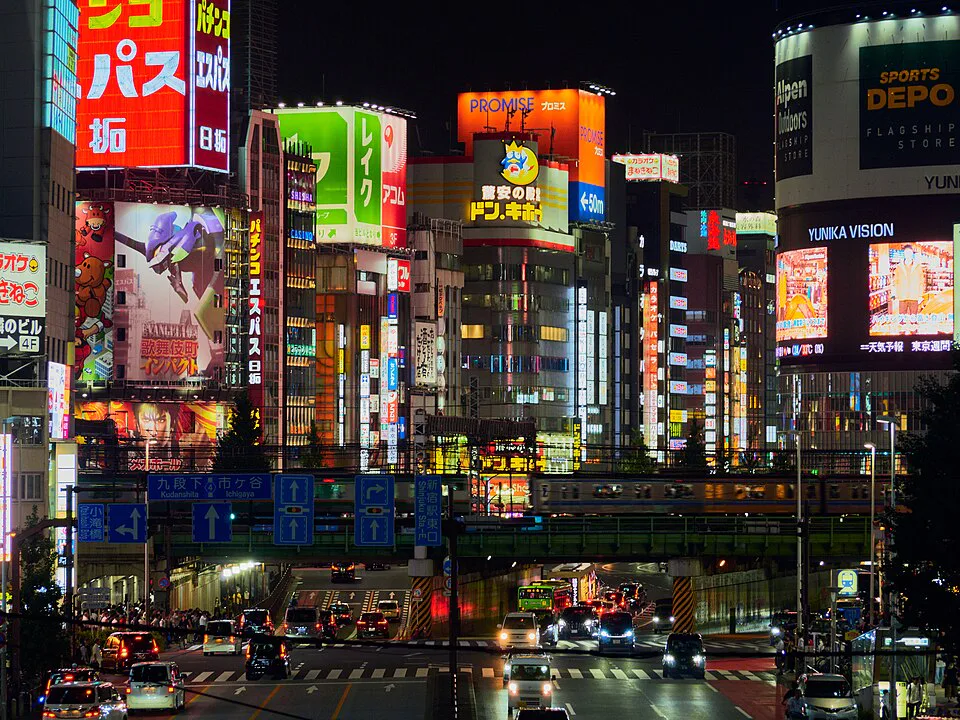
8 central Tokyo and Roppongi choices: the problem is not distance — every stop can overrun
9 | Tokyo Station and Marunouchi: ideal for a transit day, architecture and dinner
Booking priority: low. If you are already using the Shinkansen, staying near Tokyo Station or shopping for gifts on the last day, Marunouchi is easy to use. Crossing from Shinjuku only to photograph the station building is a weaker trade. Treat it as a transport node plus dining and shopping, not an automatic half-day attraction.
10 | Imperial Palace Outer Gardens: free does not mean it deserves a special detour
Booking priority: low. It suits an early walk or travelers interested in Edo Castle and imperial history. It is much weaker as a stand-alone half-day. Pair it with Tokyo Station, Marunouchi or Ginza rather than rebuilding a day around it.
11 | Tsukiji Outer Market: food is the purpose, not the act of “visiting a market”
Booking priority: low. Go when seafood, tamagoyaki, dry goods or food shopping is part of what you want to do. If market shopping is not a priority, your time may be better in Ginza or Toyosu. The decision is especially simple if you know whether you want food or kitchenware.
12 | Art Aquarium Museum GINZA: buy it as a goldfish-and-light art experience, not an aquarium
Booking priority: medium. It works well as a 1–2 hour indoor break inside a Ginza day. If you are expecting a large conventional aquarium with marine animals, it is the wrong product. Our Art Aquarium Museum GINZA review explains the difference before you pay.
13 | Tokyo Tower: the view is only half the reason — Zojoji and Shiba Park complete the area
Booking priority: low to medium. Tokyo Tower is strongest if you like the classic landmark and will combine it with Zojoji and Shiba Park. If the only goal is a skyline, compare its function with SHIBUYA SKY, Skytree and Tokyo City View in the observation deck guide.
14 | Zojoji: a free stop that makes the Tokyo Tower area more coherent
Booking priority: low. It is not “another must-see temple”; it is a low-cost cultural stop that gives the Tokyo Tower area more depth. It can also work as a walking link between Azabudai, Roppongi and Shiba.
15 | Tokyo City View: a steadier skyline option when rain matters
Booking priority: medium. The indoor 52nd-floor view is often paired with limited exhibitions, so it can preserve the “see Tokyo from above” function even when an outdoor roof is unattractive. If you only want one skyline stop, compare it directly with the alternatives in our Tokyo observation decks guide.
16 | teamLab Borderless: do not schedule it as a 90-minute photo stop
Booking priority: high. Current official tickets are date/time-specific and can sell out. Borderless has no fixed map and rewards wandering back through changing rooms; people who only want a fast sequence of famous photo spots may prefer Planets. If you are choosing one, read teamLab Borderless vs Planets first.
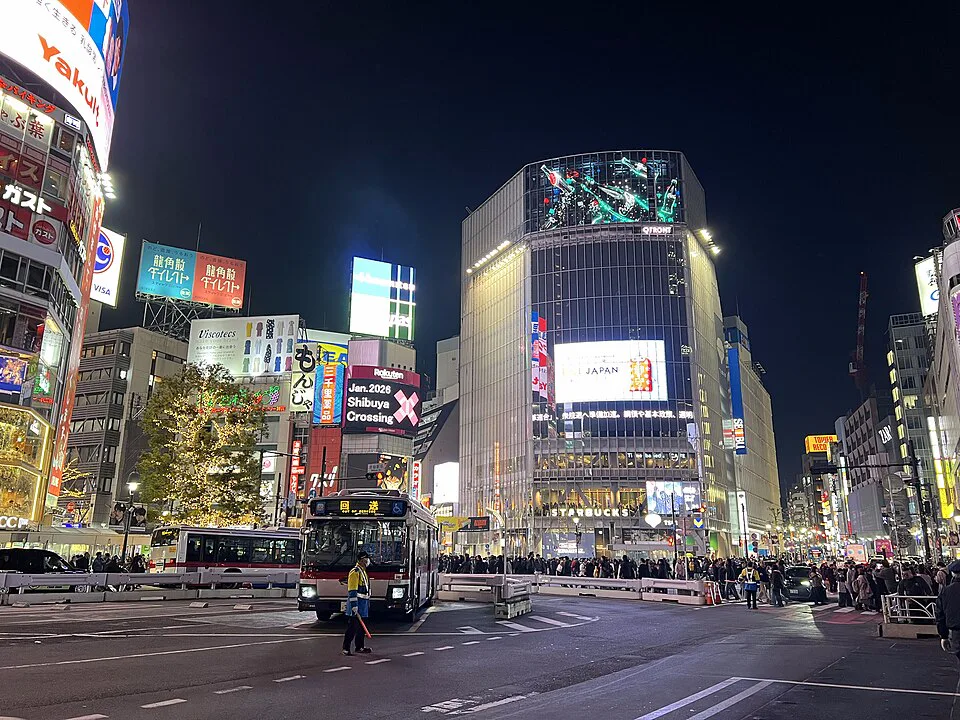
8 West Tokyo choices: Shibuya, Harajuku, Shinjuku and Ikebukuro lose time to browsing, not trains
17 | SHIBUYA SKY: lock sunset first, then build Harajuku and Shibuya around it
Booking priority: high. The current official ticket structure separates entry before 15:00 from 15:00 onward, with adult web prices at ¥2,700 and ¥3,400, and tickets sold up to about two weeks ahead. Late arrival may mean refusal of entry, and the rooftop is weather-dependent. If sunset is the point, treat the slot as the day’s anchor. See the SHIBUYA SKY ticket guide for the weather and timing trade-offs.
18 | Meiji Jingu: free and well placed, but you do not need every shrine on the same trip
Booking priority: low. If Harajuku and Omotesando are already in the day, Meiji Jingu creates a natural switch from shopping to greenery and culture. If your itinerary already has Senso-ji, Nezu Shrine and other traditional stops, it is reasonable to cut one based on interest.
19 | Shinjuku Gyoen: keep it when you actually want a quiet stretch
Booking priority: low. It becomes especially useful in cherry-blossom season, autumn or when you need a break from Shinjuku’s retail pace. If you only reach Shinjuku at night, do not force it into the schedule because it looks close on the map.
20 | Nezu Museum: choose it when both the exhibition and garden matter to you
Booking priority: medium. This is not a free “while in Omotesando” fallback. Its value comes from the combination of exhibition, architecture and garden. If you only need a rainy-day indoor stop, check the current exhibition first and ask whether you would pay specifically to see it.
21 | Warner Bros. Studio Tour Tokyo: this is a half-day anchor, not a two-hour attraction
Booking priority: high. Standard tickets currently start at ¥6,600 for adults and are tied to an allocated entry time; the studio also asks visitors to enter within 30 minutes of that slot, with no guarantee of same-day entry if you miss it. The core tour commonly takes 3–4 hours before transport and shopping. Fans should protect the half-day; non-fans should not go only because it is popular. See the Warner Bros. Studio Tour Tokyo ticket guide.
22 | Chiikawa Park Ikebukuro: high value for fans, weak value for a reluctant companion
Booking priority: high. It makes sense if you already want the merchandise and interactive content. If you are only accompanying someone and have no attachment to the characters, the timed-entry and ticket cost are much more noticeable. Pair it with an Ikebukuro shopping block rather than crossing the city only for the park.
23 | Tokyo Dome City: its real advantage is that you can use only the part you need
Booking priority: low to medium. It works well when a concert, baseball game, family facility or Ferris wheel is already the purpose. If you simply want a full theme-park day, Yomiuriland or Disney provides a more complete one-place experience.
24 | ASOBono!: preschool energy and a rainy day are the decision, not fame
Booking priority: medium. This is one of those places where the child’s nap schedule and need to move matter more than an adult ranking. For age-based choices across Tokyo, use the Tokyo family attractions guide for ages 0–3, 4–6 and 7–12.
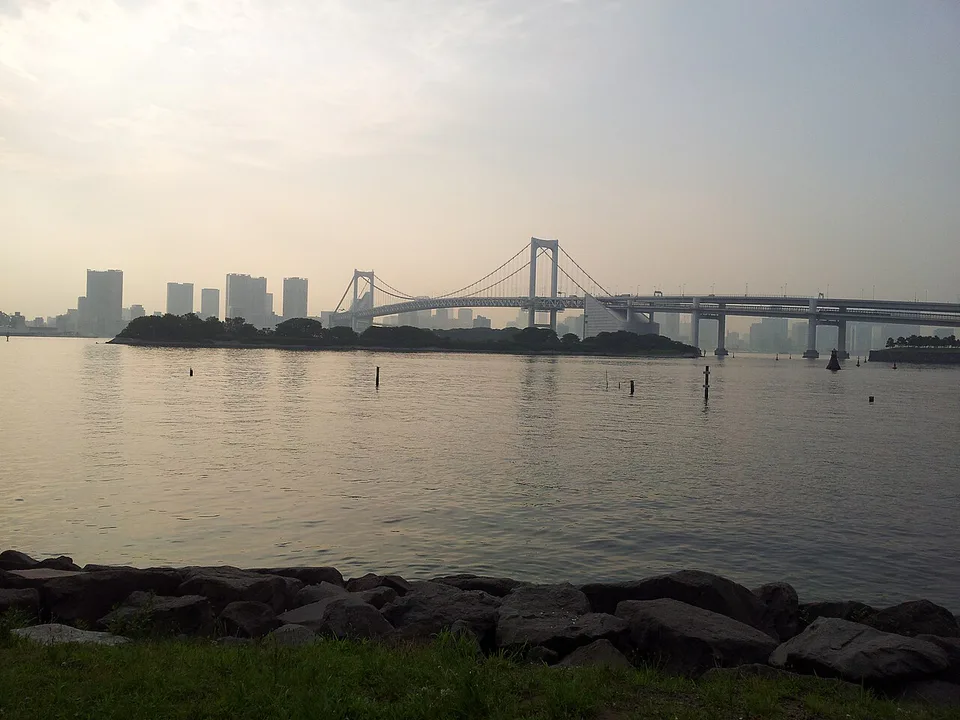
7 Odaiba and Toyosu choices: “there are lots of attractions” is not enough reason to spend a day here
25 | teamLab Planets: wet feet and body sensation matter more than how photogenic it looks
Booking priority: high. If you hate being barefoot, getting your feet wet or planning clothing around the experience, that is a real NO-GO. If you like physical immersion, Planets is not a smaller Borderless. Our teamLab Planets first-hand review covers the wet-floor and clothing details that change the decision.
26 | Tokyo Toyosu Manyo Club: give up sightseeing time only if the trip needs a soak and recovery
Booking priority: low to medium. The facility remains a 24-hour onsen option, but the free Shinbashi shuttle ended on May 31, 2026; from June 1, the operator directs travelers to the Yurikamome or Tokyo BRT, with the BRT taking about 10 minutes from Shinbashi. This is best when you deliberately want a slow evening, not when the daytime schedule is already overloaded.
27 | KidZania Tokyo: if the child really wants role-play careers, treat it as a themed block
Booking priority: high. It is strongest for children who will actively participate in the jobs rather than simply watch. Do not assume it is a quick indoor backup: the experience only pays off when you protect enough time for several activities.
28 | SMALL WORLDS Tokyo: wait for the miniature city to move
Booking priority: low to medium. The airport, EVA areas and day-to-night miniature scenes reward watching rather than taking one wide photo and leaving. If models do not interest you, this is easy to cut. See the SMALL WORLDS Tokyo review for what is actually worth waiting for.
29 | UNKO Museum Tokyo: 1–2 hours of interactive entertainment, not a conventional museum
Booking priority: medium. It is an easy fit for families, friends and photo-led trips, and a poor fit for anyone expecting an educational museum. Its strongest use is as part of an Odaiba indoor half-day rather than a stand-alone cross-city mission.
30 | LEGOLAND Discovery Center Tokyo: it becomes much more useful when the child’s age and the weather line up
Booking priority: medium to high. The official venue is an indoor family attraction designed around children, and adults normally need to be accompanied by a child aged 15 or under. Entry is time-slotted and advance online booking is the safest way to guarantee a preferred slot. For an adult-only Tokyo trip, this is not a general sightseeing stop.
31 | Tokyo Bay yakatabune or cruise: group size and dinner decide whether this is a “night view attraction”
Booking priority: medium to high. For two travelers who mainly want lights and dinner, a join-in dinner cruise is usually more rational than chartering a boat. Private yachts and yakatabune become more interesting as the group grows because you are spreading the fixed cost. You are buying seating, food and movement across the bay — not just a skyline view.
9 theme-park and nature choices: this is where full days disappear fastest
32 | Sanrio Puroland: indoor rides and characters are great — but an afternoon pass trades away flexibility
Booking priority: medium to high. Sanrio expanded its dynamic passport price range for visits from August 1, 2026; the Afternoon Passport still starts entry at 14:00. The cheaper ticket can be a bad deal if the parade or character schedule you care about sits earlier in the day. See the Sanrio Puroland ticket guide before choosing the afternoon option.
33 | Yomiuriland: use a full day only when rides, PokéPark, the pool or winter lights justify it
Booking priority: medium. The adult one-day pass is currently ¥5,900, but that does not mean every member of a family needs the same ticket. Height restrictions and the number of rides each person will actually use matter more than automatically buying the most complete pass.
34 | Kappabashi: give it 2–3 hours only if knives, cookware or tableware are the mission
Booking priority: low. It is excellent with a real shopping list and weak as a sightseeing checkbox. If what you really want is food, snacks and seafood rather than tools, Tsukiji is the more direct choice.
35 | Inokashira Park: the breathing space in a Kichijoji half-day, not a park you need to cross Tokyo to collect
Booking priority: low. It works well if you are staying on the west side or deliberately want a slower afternoon. With only three days in Tokyo, adding another transport line just to visit “a Tokyo park” is rarely the best trade.
36 | Harmonica Yokocho: save it for Kichijoji evening rather than a daytime detour
Booking priority: low. The point is food, drinks and compact nighttime atmosphere, not completing a daytime landmark. Pairing it with Inokashira Park is what makes the trip efficient.
37 | Mount Takao: a simpler nature day than building an entire Mt Fuji logistics chain
Booking priority: low to medium. It is a good choice for hiking, autumn leaves or simply wanting real greenery without a complicated long-distance day. If you only have three urban days, no suitable shoes and little interest in walking, cut it without guilt.
38 | Okutama: rafting, canyoning and valleys should be the purpose
Booking priority: depends on the activity. If you simply want “some nature,” Mount Takao is usually easier. Okutama earns the full day when rafting, canyoning or an outdoor experience is actually the main reason to leave central Tokyo. The Okutama rafting and canyoning guide shows how much of the price is really transport and logistics.
39 | Tokyo Disneyland: classic characters and the castle deserve a full day
Booking priority: high. Tokyo Disney Resort sells park tickets for the same date two months ahead from 14:00 each day; sales can stop when inventory reaches its limit, and sold-out dates may reopen later. If you only have one Disney day, choose the park first rather than buying two days by default. Start with Tokyo Disneyland vs DisneySea.
40 | Tokyo DisneySea: choose it when Fantasy Springs, the harbor setting and thrill rides matter more to you
Booking priority: high. DisneySea is not the “afternoon version” of Disneyland. With one Disney day, use a real must-do list to choose the park; consider two days only when both parks contain several non-negotiable attractions. Ticket timing and date rules are covered in the Tokyo Disney ticket guide.
If you can only keep 8–12, cut the list by trip style
Classic first Tokyo trip: Senso-ji, one major Ueno museum, Tokyo Station/Marunouchi, Meiji Jingu, Shibuya, one observation deck, then one or two themed attractions you genuinely care about. That already fills roughly three city days once meals, shopping and transit are real rather than theoretical.
Families: start with the child’s age, then choose among KidZania, ASOBono!, LEGOLAND, SMALL WORLDS, Disney, Sanrio and Yomiuriland. Do not label all of them “family attractions” and stack them. Naps, height rules, indoor versus outdoor time and whether the child can stay engaged for half a day change the answer.
Couples and friends: choose SHIBUYA SKY or Tokyo City View for one night view, choose Borderless or Planets for one immersive digital-art experience, then protect a meal-and-browsing block in Ginza, Shibuya or Kichijoji. That un-ticketed time often produces a better day than adding two more checkboxes.
Museum-heavy trip: Tokyo National Museum, the National Museum of Nature and Science, Nezu Museum and Art Aquarium should not each receive a token hour. Choose the institutions where you would genuinely spend two or three hours and cut the rest, or the day turns into a sequence of lockers and entrances.
Tokyo day trips and high-adrenaline experiences belong in a separate bucket
Mt Fuji paragliding, Nikko, Kamakura, Kawagoe and Yokohama can all be reached from Tokyo, but each competes with a full city day. That is why they are not being used to pad this 40-item Tokyo list. If you have five or more days and are willing to sacrifice one city day, compare the options in the Tokyo day-trip guide. If the goal is an experience rather than standard Mt Fuji sightseeing, the Mt Fuji paragliding guide is the more relevant branch.
Next decision: which day trip is worth losing one Tokyo day?
Final verdict: the best things to do in Tokyo are the ones that still leave room in the day
The safest order is simple: decide the number of full days, give each day one main area, lock high-priority timed attractions first, then use free temples, parks and neighborhoods to fill the gaps. The moment a day contains two fixed entry times plus a cross-city transfer, remove something before you start looking for a faster train.
Before paying, check four things again for your exact date: opening or closure dates, the allocated entry time, whether weather can remove the core experience, and whether everyone in the group can actually use what the ticket includes. SHIBUYA SKY’s rooftop, Disney’s date-specific tickets, teamLab’s timed entry and the Harry Potter studio tour’s half-day scale are all cases where “plan first, buy second” matters more than chasing a deal.
What was rechecked for this 2026 guide
Decision-critical ticket and operating details were rechecked on August 20, 2026 against current official information from SHIBUYA SKY, teamLab Borderless, Tokyo Disney Resort, Warner Bros. Studio Tour Tokyo, Tokyo Toyosu Manyo Club, Sanrio Puroland and LEGOLAND Discovery Center Tokyo. Prices, availability and special operating dates can still vary by the date you choose, so recheck the final booking page before payment.