
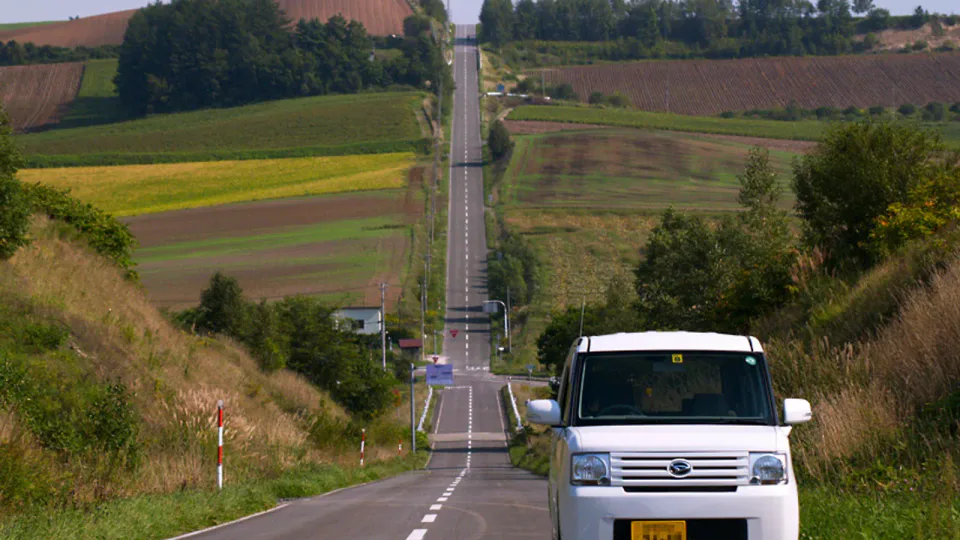
For a first seven-day Hokkaido family road trip, I would usually use two or three hotel bases rather than move every night. The point is not to minimize kilometres on the map. It is to minimize full-family resets: packing, checking out, loading the stroller and child gear, losing access to a room during the day, checking in again, and rebuilding the bedtime routine.
A new hotel earns its place when it solves one large problem: it removes a meaningful backtrack for the next one or two days, the accommodation itself is part of the experience, or it protects an early flight or rental-car return. If the move only saves a little driving while creating another packing day, I would stay put.
ValueNavi base-count table: how many hotel bases does your family actually need?
↔ Scroll table left or right
Seven-day trip shape | My default | Why | When I would change it |
Sapporo + Otaru + Furano/Biei | 2 bases | Sapporo can cover the city and Otaru; one Furano/Biei-area base can cover several rural days | Add an airport-area night if departure timing makes Day 7 fragile |
Sapporo + Furano/Biei + Noboribetsu or Lake Toya | 3 bases | The third stay changes the trip from sightseeing base to onsen/resort experience | Skip the onsen move if the family values stable routine more than the lodging experience |
Sapporo + Furano/Biei + very early New Chitose departure | Usually 3 bases | The final move has a job: reduce flight and rental-car-return risk | Stay in Sapporo if the flight is later and the rental car is already returned |
Older children, light luggage, one-way trip across several regions | More moves can work | The route itself progresses instead of repeatedly returning to the same base | Reduce moves if anyone needs naps, early bedtimes or substantial winter gear |
Winter self-drive | Fewer, stronger bases | Road conditions make fixed-time driving assumptions less reliable | Only add a base when it clearly reduces the next day’s winter driving exposure |
The hidden cost of a hotel move is the no-room gap
The checkout desk itself is rarely the problem. The expensive part is the period between rooms. A family may leave one hotel in the morning, keep the stroller, snacks, medicines, spare clothes and winter gear in the car all day, then wait until the next property is ready before anyone has a proper place to rest.
That gap matters much more with a toddler who still naps, a child who gets carsick, or a family travelling after a long-haul flight. Adults often assume a child can sleep in the car, but parking stops, meals, mountain roads and sightseeing exits can turn one proper nap into several short fragments.
↔ Scroll table left or right
Hotel-move stage | Cost you do not see on the route map |
Morning packing | Separating day-use items from luggage that can stay buried in the car |
Checkout | Everyone loses room access at the same time |
Daytime sightseeing | No guaranteed nap, shower, laundry or quiet reset space |
Arrival at next hotel | Parking, unloading, check-in and waiting for room availability |
Evening | Unpacking child gear again before dinner, bath and bedtime |
ValueNavi rule: do not count only the minutes saved by sleeping closer to tomorrow’s attraction. Count the full relocation cycle the family has to repeat.
Why I would often postpone the rental car until leaving Sapporo
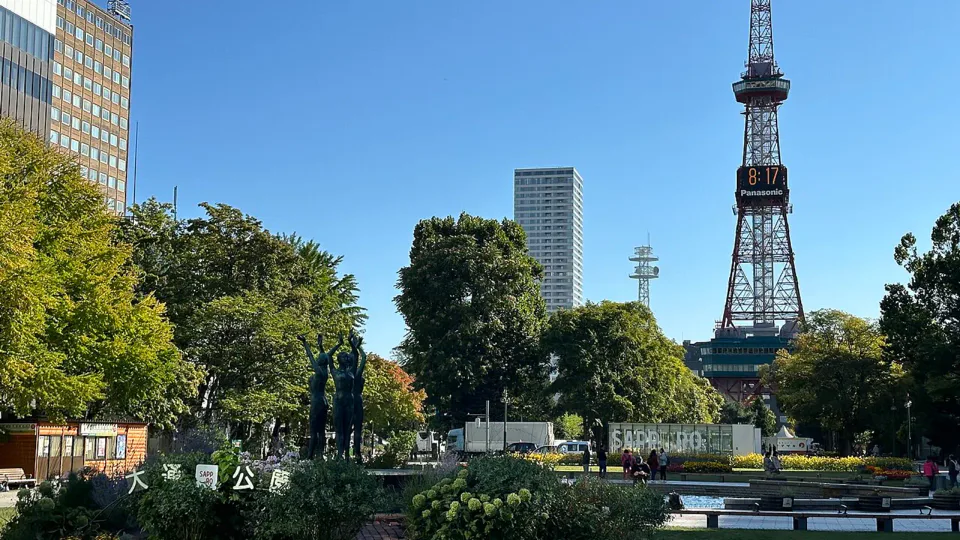
If the first part of the trip is Sapporo plus Otaru, the car may not need to start at New Chitose Airport. Sapporo gives the family a stable arrival base, while Otaru can be handled separately without forcing the whole family to check out again. Hokkaido’s official tourism site describes Central Hokkaido as a particularly approachable area for first-time driving in Hokkaido, but that does not mean the rental needs to begin immediately after an international flight.
For an English-speaking long-haul visitor, separating landing day from first unfamiliar driving day is valuable. Jet lag, immigration, baggage collection, rental paperwork and learning a different road environment are all operational tasks. If the first two nights are urban anyway, starting the self-drive when you actually leave Sapporo can make the trip more resilient.
Foreign drivers should also confirm the exact licence documents accepted in Japan before travel. Hokkaido’s official tourism guidance distinguishes Geneva Convention international driving permits from other permit formats and notes the separate translation route for licences from certain countries and regions.
Families with young children need to count child-seat setup as part of the transfer
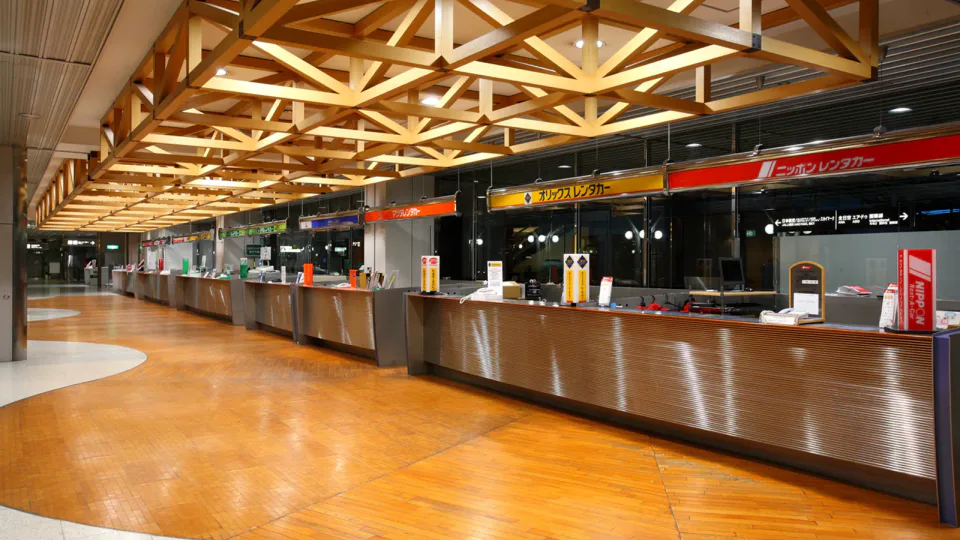
Japan’s National Police Agency states that drivers must not carry a child under six without using a child seat. For a family road trip, that means the rental-car pickup is not just “collect the keys and leave.” You need the correct seat, enough cabin space after the seat is installed, and time to fit luggage and stroller around the remaining seating position.
This is another reason I would avoid stacking airport arrival, rental pickup and a long first drive into one fragile block unless the route genuinely requires it. The more equipment the family carries, the more useful a stable first hotel becomes.
Use the 48-hour base test before adding another hotel
Before booking a new base, look at the next two full days rather than the next attraction. Ask:
Can both days be executed from the current hotel without a wasteful out-and-back drive? If yes, staying put is usually stronger.
Does the new hotel unlock something that cannot be reproduced as a day trip? A ryokan dinner, onsen evening, sunrise location or early airport departure can justify the move.
Does the move reduce one major transfer, or merely shave a little time from several small drives? Families benefit more from removing a difficult transfer than from optimizing every kilometre.
Will anyone need the room during the day? If naps, illness recovery, remote work or laundry are realistic, a multi-night base gains value.
A move does not need to pass every test. It needs one strong reason. “The next attraction is slightly closer” is usually not strong enough.
Do not automatically split Furano and Biei into one night each
Furano and Biei look like separate destinations on a list, but a family does not automatically need a hotel in both. The wider area includes flower fields, rolling hills, Blue Pond, Shirogane and farms spread across the countryside. One two-night base in Furano, Biei or Asahikawa often gives the family more flexibility than changing rooms after the first day.
The advantage is not only fewer suitcases. A stable base lets you reverse the sightseeing order when visibility or weather is better on the second day. If Biei looks poor one morning, you can shift more Furano stops forward and try Biei later without changing the hotel plan.
Before booking, compare Furano Station, Nakafurano, Asahikawa and Sapporo as accommodation bases. The right base is the one that makes the next two days easier, not the one with the shortest straight-line distance to a single field.
A third base is worth it when the hotel changes the job of the trip
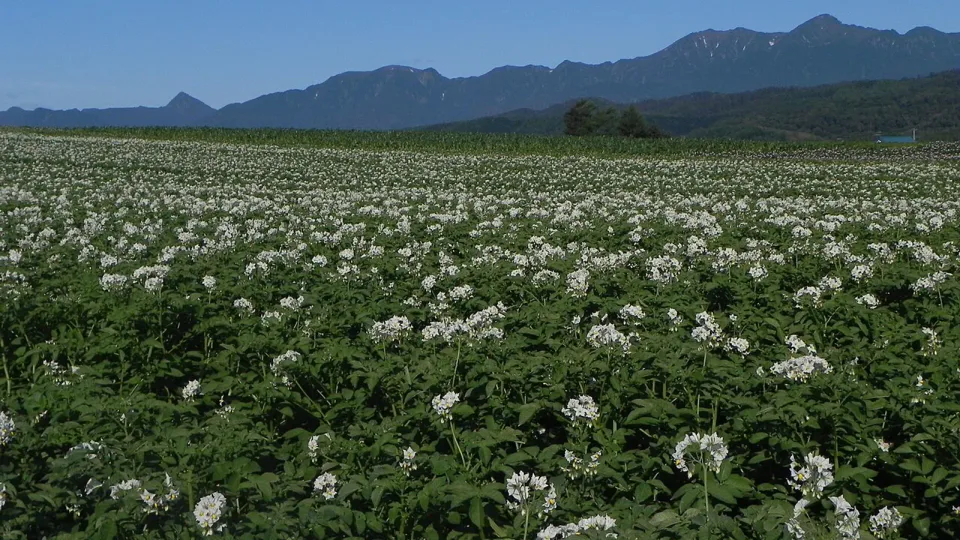
I would add a third base for three main reasons.
1. The accommodation is the experience. Noboribetsu or Lake Toya can justify a move when the family actually wants the onsen, dinner and slower evening—not simply because another pin can be added to the map. Use the Noboribetsu vs Jozankei comparison to decide whether the onsen stop deserves its own night.
2. The route genuinely continues. If the trip keeps moving toward southern or eastern Hokkaido, the next hotel may be a real progression rather than a detour.
3. The final night protects departure. An early flight, rental-car fuel/return procedure or winter-weather margin can make Chitose or the airport area a rational final base.
What I would not do is add a third ordinary hotel because there happens to be one attraction nearby. Sleeping in more towns does not make a seven-day trip more complete.
Should the last night move to Chitose? Let the departure chain decide
The last-night question is not “is Chitose more convenient than Sapporo?” It is how many steps remain before the family reaches the check-in counter?
If the morning still includes packing children, checking out, fueling the car, returning it, transferring from the rental location to the terminal and completing airline procedures, moving closer can remove a large block of uncertainty. If the flight is later and the car is already returned, Sapporo may remain the better final night because another hotel change buys very little.
For the highest-buffer version, compare a terminal-connected option such as Portom International Hokkaido with a Chitose-station hotel. The airport premium only earns its place when it removes a transfer you genuinely care about.
Winter changes the answer: use bigger bases and a smaller daily radius
In winter, I would become more conservative about both hotel moves and daily driving radius. Hokkaido Government guidance says icy road surfaces can be roughly ten times as slippery as dry summer roads, recommends earlier braking, longer following distances and more cautious planning, and warns that mountain areas can encounter sudden snow.
That means a route that is comfortable in summer should not be copied with the same time assumptions in January or February. The cost of a hotel move rises because the family may be loading the car in snow, managing wet gloves and boots, and reaching the next property after dark. If poor weather cancels an attraction, a multi-night base also gives you somewhere familiar to return to rather than forcing a relocation anyway.
If winter self-driving is part of the plan, use our Hokkaido winter driving guide before deciding whether to shorten the rental period or replace part of the route with rail and transfers.
Open-jaw Hokkaido trips are the main exception to the two-base default
The two- or three-base recommendation is strongest for a New Chitose in-and-out trip covering Central and Northern Hokkaido. It becomes weaker when the flight plan itself is one-way—for example, arriving at New Chitose and departing from Asahikawa or Hakodate.
In that case, more hotel changes can be rational because each move advances the trip instead of creating a return drive. Hokkaido’s official tourism site publishes sample itineraries using different arrival and departure points for exactly this kind of route structure. For long-haul travellers with limited Japan days, changing the airport can sometimes remove more dead travel than eliminating one hotel move.
Two-base version: the easiest first family road trip to execute
Days 1–3: Sapporo. Use arrival day for recovery, then Sapporo and Otaru without moving the hotel.
Days 4–6: Furano/Biei/Asahikawa area. Pick up the car when leaving Sapporo and use one rural base for two or three nights.
Day 7: New Chitose departure. This version has only one major hotel relocation. Its weakness is a very early flight, which may justify an airport-area night on Day 6.
Three-base version: make the final base solve a real problem
Days 1–3: Sapporo.
Days 4–5: Furano/Biei/Asahikawa area.
Day 6: Noboribetsu, Lake Toya or Chitose. Choose an onsen town if the lodging experience is important; choose Chitose if departure logistics are the reason.
The third base should change the job of Day 6. If it does not, stay two nights where you are.
Four failure modes I would avoid on a family Hokkaido road trip
Moving every night because the map looks linear. A linear map can still create five separate no-room gaps.
Picking up the rental car immediately because “Hokkaido needs a car.” If the first days are Sapporo and Otaru, the car may add parking and arrival-day complexity before it adds freedom.
Ignoring the child-seat and cabin-space test. A car that technically fits the passenger count may feel very different after a child seat, stroller and several suitcases are loaded.
Treating winter drive times as fixed. Snow, ice, reduced visibility and slower braking change the margin you should keep around every move.
Final verdict: every hotel change should make the next 48 hours materially easier
For a seven-day first family road trip around Sapporo, Otaru and Furano/Biei, I would start with two bases. Add a third only when it creates an onsen/resort night, genuinely advances a one-way route, or protects an early New Chitose departure.
The red-team condition is important: this advice becomes less useful for older children, very light luggage and a long one-way route where each hotel move removes substantial backtracking. In that trip, moving more often may be the efficient choice.
For most families with younger children, however, the scarce resource is not road distance. It is usable family time. A hotel base is doing its job when nobody has to think about packing again tomorrow morning.
Dazaifu vs Itoshima: Which Fukuoka Day Trip Should You Choose?
Hokkaido Autumn Leaves 2026: Daisetsuzan, Sapporo and Hakodate Routes
Airalo vs Saily vs Klook Japan eSIM: Which Product Fits Your Trip?
Nara Ikimono Museum Is Great With Kids — But It Can Hijack a First-Time Nara Day Trip
Japan Autumn Leaves Early October: Hokkaido, Tohoku and Kamikochi
Sources
HOKKAIDO LOVE! official tourism site — Getting Around Hokkaido
National Police Agency — child-seat requirements
Hokkaido Government — Driving on winter roads
HOKKAIDO LOVE! — official sample itineraries
Road conditions, hotel child policies, parking rules, rental-car procedures and operating hours can change. Confirm the exact rental company, hotel and road information for your travel dates.