
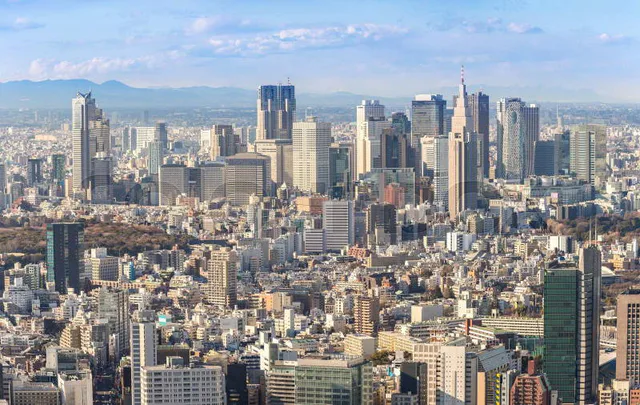
The easiest way to buy the wrong Tokyo helicopter night tour is not choosing 23 minutes instead of 30. It is assuming that a product called a ‘Tokyo helicopter tour’ must depart from central Tokyo. Current 2026 options use several different heliports, including Tokyo Heliport, Funabashi, Chiba Bay Coast and Saitama Misato, and some of the most visible Tokyo night routes still depart from Chiba. Once you add hotel-to-heliport transport, check-in time, weather decisions and the return journey, the real comparison is much bigger than flight minutes.
This guide treats a helicopter flight as a high-cost, whole-aircraft purchase that can be heavily affected by weather, not as just another night-view attraction. If you are still deciding whether your first Tokyo trip needs 3, 4 or 5 days, sort that out first with 3, 4 or 5 Days in Tokyo? Then decide whether one evening is worth trading for a 20–55 minute flight experience.
30-second verdict: choose the heliport first, the route second, and the minutes last
If this is your first helicopter ride and you do not want ground transport to consume the whole evening, prioritize the option with the shortest realistic door-to-door journey rather than automatically chasing the longest flight. If Skytree is the main goal, Chiba Bay Coast currently has a 23-minute route. If you want Skytree + Tokyo Tower, the 30-minute W Tower route is the more direct match. If you genuinely want Tokyo + Yokohama/Minato Mirai in one flight, then the 55-minute route starts to make sense. If departing from Tokyo itself matters most and you want the evening to connect cleanly with dinner or your hotel, Tokyo Heliport's current five-seat sunset/night option is a different tier: 30 minutes at ¥346,500 per flight, available by request.
AIROS Skyview currently lists the Chiba Bay Coast baseline at roughly ¥127,000–137,000 per flight for the 23-minute Skytree route, ¥165,000–175,000 for the 30-minute W Tower route, and ¥303,000–313,000 for the 55-minute Tokyo + Yokohama route, all as whole-aircraft prices for up to three passengers. The current Tokyo Heliport sunset/night option is ¥346,500 per flight for up to five passengers and is available by request. These are different route and aircraft products, not one route stretched by extra minutes, so ‘price per minute’ is a poor way to compare them.
First trap: ‘Tokyo’ in the product name does not tell you where you depart
Chiba Bay Coast Heliport is in Mihama Ward, Chiba City near Inage Seaside Park; Funabashi Heliport is also in Chiba. AIROS itself separates Tokyo night-view products by Tokyo Heliport, Funabashi, Chiba Bay Coast, Saitama Misato, Yokohama Minami and other bases, with operating dates and hours varying by location. A product can show you Tokyo without letting you board near Shinjuku or Tokyo Station.
Your hotel location therefore changes the real cost of the evening. If you are staying around Tokyo Station, compare Tokyo Station vs Shinjuku first; if you are staying around the western nightlife districts, compare Shinjuku vs Shibuya. For a Chiba departure, the cross-city ground journey can affect the experience more than paying for seven extra minutes in the air.
Second trap: ‘50–90 minutes’ on a booking page does not mean 50–90 minutes of flying
Klook currently shows the Chiba Bay Coast Tokyo night-helicopter experience as about 50 minutes to 1 hour 30 minutes overall, but that is not the actual flight time. AIROS states that the flight time shown on the plan is the time in the air; boarding and disembarking are separate. Its FAQ also says takeoff is approximately 30 minutes after the selected meeting time.
Before paying, split the schedule into three different clocks: meeting and safety briefing, actual flight time, and ground time from your hotel to the heliport and back. That is why a 23-minute flight can still consume most of an evening, and why an activity page showing roughly one hour should never be read as one hour above Tokyo.
What really changes between 23, 30 and 55 minutes? It is not just another 7 or 25 minutes
The 23-minute route is the lower-price way to complete the core ‘Tokyo Bay coast + Skytree’ view. If you already plan to go up Tokyo Skytree, treat the 350/450 m observation-deck view and the aerial view as two very different experiences rather than assuming that visiting Skytree makes a helicopter redundant.
The 30-minute W Tower route is where Tokyo Tower + Skytree become part of the same night-view story. For a first Tokyo trip where you mainly want the most recognizable skyline landmarks, that is often more logical than buying extra time for its own sake. The 55-minute Tokyo + Yokohama route brings a second city into the experience. If Minato Mirai does not interest you, do not upgrade just because 55 minutes sounds more complete.
Odaiba and Tokyo Bay can create the same duplication problem. If Odaiba is already in your city itinerary, look at how to use 1–2 hours in Odaiba first and decide whether the aerial night view adds something new. Do not pay three times for a daytime, sunset and night version of the same theme just because each one has a view.
Tokyo Heliport can buy you a cleaner evening itinerary, not just a more prestigious departure point
AIROS currently lists the Tokyo Heliport sunset/night option at ¥346,500 per flight for up to five passengers, with booking handled by request. The 30-minute route covers Tokyo Tower, Rainbow Bridge, Tokyo Station, the Imperial Palace area, Shinjuku, Shibuya, Skytree and other central landmarks. Tokyo Heliport itself is in Shinkiba, with AIROS listing bus access from Shinkiba Station or roughly five minutes by taxi. The premium therefore buys more than a prestigious address: for travellers staying in central Tokyo, it can remove a much longer trip to a Chiba-side heliport and fit the flight more cleanly around dinner or the rest of the evening.
If you are staying in central Tokyo and only have 3–4 days, saving a longer Chiba round trip can itself be valuable. If you are based around Tokyo Bay or Maihama, the Chiba-side heliport may not be a disadvantage at all. If you are still deciding between staying near Tokyo Disney or in central Tokyo, choose the hotel base first and compare the heliport second.
Whole-aircraft pricing changes the maths for two, three or five people
AIROS says sightseeing flights are generally charters priced per aircraft rather than individual tickets, except for specific shared-ride products. That is the key to understanding Tokyo helicopter prices. On the current ¥346,500 Tokyo Heliport five-seat sunset/night charter, five people work out to ¥69,300 each, four to ¥86,700 each, three to ¥115,500 each and two to about ¥173,300 each. The route and aircraft do not change, but the group economics change dramatically depending on how many seats you actually use.
Do not add passengers just to force down the per-person number. Aircraft, routes and products have different maximum capacities and weight limits. AIROS currently gives a general limit of up to 120 kg per seat, around 210 kg total for three-seat aircraft and 330 kg for five-seat aircraft, while longer routes can have exceptions. Klook's Chiba product currently states its own combined and per-seat weight rules. Treat every number as product-specific and check the exact flight you are booking.
Sunset, night views and specific landmarks are never guaranteed 100%
Helicopter routes can change because of wind direction, air traffic control and safety requirements. AIROS currently warns on the 30-minute W Tower route that takeoffs before 7:00 PM may be rerouted due to wind or air traffic control, potentially making the Tokyo Tower area unavailable; departures after 7:00 PM are listed to follow the mapped course. Its FAQ also states that a flight can be cancelled even in apparently good weather if wind, cloud base or other safety conditions do not meet standards.
If you are spending this much money only because you must capture Tokyo Tower + sunset at one exact minute, the risk is higher than at a fixed observation deck. A Tokyo helicopter night tour makes more sense if you value the flight itself, the scale of the city and the moving aerial perspective—not only one specific photograph.
Weather cancellations can be handled; your own late arrival is a different problem
AIROS currently states that flights cancelled because of bad weather can generally be rescheduled or refunded, with no cancellation fee for weather cancellations, subject to certain plan exceptions. For late-day meeting times after 4:30 PM, the final go/no-go decision is normally made around 3:00 PM that day. That makes it smarter to leave buffer around the flight instead of booking a non-refundable dinner 20 minutes after the scheduled end.
If you are late yourself, AIROS says the flight may be shortened or cancelled while refunds or fare differences are not offered. If you plan to fly on the same day you land at Haneda, first read Haneda late arrival: airport hotel or Tokyo? If you are arriving through Narita, check Narita late arrival: stay near the airport or go into Tokyo? Connecting a delayed international arrival directly to an expensive fixed helicopter slot is one of the worst risks you can add to this purchase.
Staying in Maihama does not mean you will automatically fly over Tokyo Disney
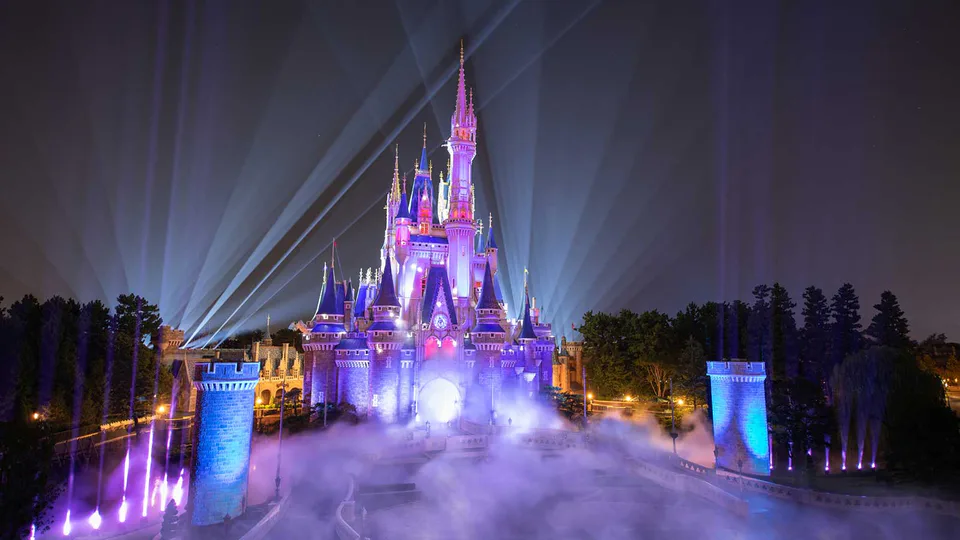
One easy assumption from the sales imagery is: ‘If the heliport is in Chiba, Disney must be on the route.’ AIROS specifically notes for its own routes that airspace around Tokyo Disney is affected by Haneda and other air-traffic restrictions, so its aircraft cannot fly in that area. That is operator-specific information, but the decision lesson is broader: a heliport near Maihama does not mean the flight circles Disneyland or DisneySea. If the parks are the core of your trip, decide whether you need 1 or 2 days at Tokyo Disney before giving another evening to a helicopter flight.
Five traveller types: what I would choose
1 | First helicopter ride, mainly want one aerial-Tokyo experience: prioritize the shorter route and ground logistics. You do not need 55 minutes by default.
2 | Skytree + Tokyo Tower are the priority: a 30-minute dual-tower route is more direct than a 23-minute single-theme route.
3 | Couple or anniversary trip with dinner in central Tokyo: the Tokyo Heliport sunset/night option can be worth the higher whole-aircraft price when it keeps the evening geographically coherent. The current 30-minute five-seat charter is ¥346,500 per flight and request-only, so compare that convenience premium against the cheaper Chiba-side routes rather than comparing minutes alone.
4 | Group of three: several Chiba Bay Coast routes are whole-aircraft charters for up to three people, so divide the aircraft price by three before deciding the total is automatically too high.
5 | You only want a night view and do not especially care about flying: Tokyo has many high-rise observation decks. A helicopter is not simply a ‘higher observation deck’; it is a more expensive, weather-sensitive moving flight experience.
Four NO-GOs: if any one applies, do not pay yet
NO-GO 1 | You see ‘Tokyo’ and assume the flight departs from central Tokyo without checking the heliport address.
NO-GO 2 | You read a 50–90 minute total activity duration as 50–90 minutes of actual flight time.
NO-GO 3 | Two people automatically upgrade to 55 minutes because ‘longest = best,’ even though they do not care about Yokohama.
NO-GO 4 | You pack the hours before and after the flight with non-refundable restaurants, airport transfers or other fixed-time plans and leave no weather or ground-transport buffer.
Eight final checks before payment
1 | Is the meeting point Tokyo Heliport, Chiba Bay Coast, Funabashi or another heliport? 2 | Is the displayed duration total activity time or actual flight time? 3 | Is the price per aircraft or per person? 4 | What are the passenger, per-seat and total-weight limits? 5 | Which landmarks are actually covered by the 23/30/55-minute route? 6 | Can a sunset or early-evening route change because of wind or air traffic control? 7 | What are the weather-cancellation, rescheduling and refund rules? 8 | How much ground travel and buffer do you need from the hotel to the heliport and back?
Final verdict: the most expensive Tokyo helicopter mistake is choosing the wrong departure point, not the wrong flight length
A Tokyo helicopter night tour should be compared by ‘which route and which heliport am I willing to pay for?’ The Chiba Bay Coast 23-minute route is the core skyline choice; 30 minutes adds the dual-tower story; 55 minutes extends the experience to Yokohama. The current Tokyo Heliport sunset/night option is a 30-minute, up-to-five-passenger charter at ¥346,500 per flight, available by request. Its higher price buys a Tokyo-side departure, a central-city route and a different group-cost structure rather than simply seven more minutes in the air.
If your Tokyo trip is only 3–5 days, the better question is still whether this evening in the air matters more than another complete city theme day. Decide where to stay in Tokyo for a first visit and your 3, 4 or 5 day Tokyo itinerary first; the right helicopter option becomes much easier to see.
Next decision
Next decision | Build your 3, 4 or 5 day Tokyo itinerary first
Next decision | Choose your Tokyo base first, then compare heliport access
Ishigaki Helicopter Tours: 10, 25 or 45 Minutes? Choose Phantom Island or Iriomote First
Izu Oshima Day Trip or Overnight? Jetfoil vs Night Ferry From Tokyo
Sources
AIROS Skyview | Current Tokyo helicopter routes and prices
AIROS Skyview | Chiba Bay Coast 23/30/55-minute routes
AIROS Skyview | FAQ: heliports, flight time, weather, lateness and charter rules
Klook | Tokyo night helicopter from Chiba Bay Coast Heliport