
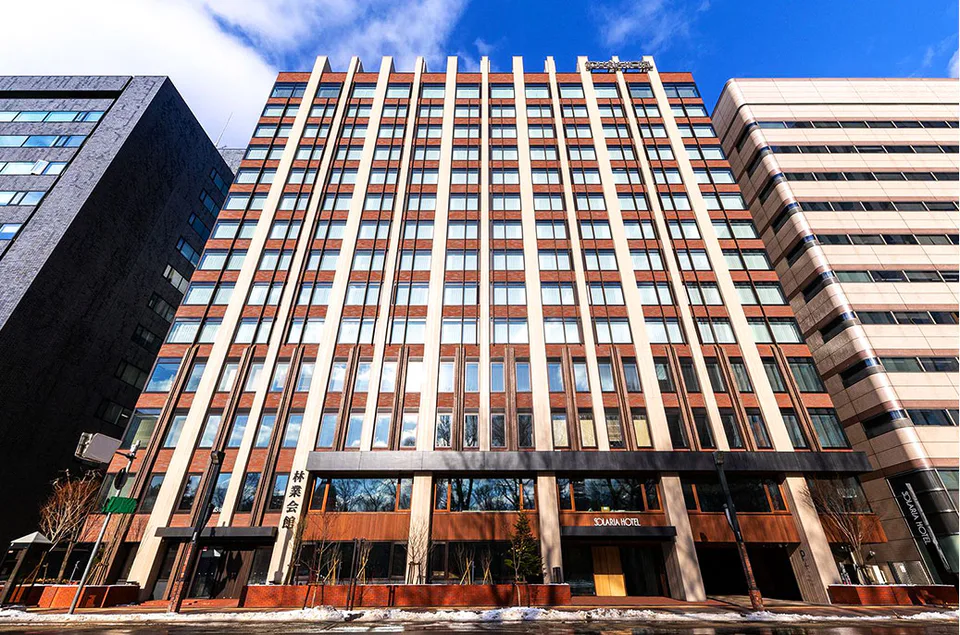
Solaria Nishitetsu Hotel Sapporo is not connected directly to JR Sapporo Station. Current official access information lists about a five-minute walk from the south exit and about two minutes from Sapporo subway station on the Namboku Line, with exits 8 or 10 recommended. In return for accepting that final outdoor section, the hotel combines a 26 m² Standard Twin, a guest-only public bath and a central base that can use both JR and subway routes. The real question is not whether five minutes is “near”; it is whether winter luggage, room space and your return-to-hotel routine make that trade worth it.
My answer is conditionally yes. For two people carrying two large suitcases and staying three nights or more, especially when daytime plans use JR for Otaru or other cities and evenings still leave time for the public bath, the combination has practical value. If your first priority is eliminating snow-and-suitcase friction completely, a station-connected property is the cleaner answer. Solaria’s strength is balance rather than zero walking.
Solaria Nishitetsu Hotel Sapporo: the 30-second answer
I would book when Sapporo is a two-to-four-night base rather than a one-night sleep stop. If you use JR or the subway during the day, return early enough to use the public bath and value a 26 m² twin room for two people, the five-minute station walk is only one part of the stay. I would reconsider after a late winter flight with two large 28-inch cases, because the route from JR Sapporo Station is still outside and snow, ice and slush can magnify the map distance. I would skip it when every night ends after 22:00, the public bath is never used and you choose only the 21 m² entry room; that itinerary misses the hotel’s two strongest advantages.
Solaria Nishitetsu Hotel Sapporo quick decision table
↔ Scroll table left or right
Item | Verified situation | Trip impact |
JR Sapporo Station | South exit, about 5 minutes on foot | There is still an outdoor final leg in snow; not station-connected |
Subway Sapporo Station | Namboku Line, about 2 minutes; exits 8/10 recommended | More flexible for Odori and Susukino than a JR-only reading suggests |
Standard Twin | 26.0 m²; two 115 × 195 cm beds; bathtub + separate washbasin | My baseline for two people staying several nights with luggage |
Rain Shower Double | 21.0 m²; 180 × 195 cm bed; shower only; frosted glass means no exterior view | Works when you will use the public bath; poor fit if in-room soaking or views matter |
Public bath | B1; guest-only and free; bath page 15:00–25:00 / next day 05:30–09:00 | Useful even after a late dinner; 05:30–06:00 needs confirmation because official pages differ |
Breakfast | From 1 Apr 2026: JPY 3,600 reserved by previous day / JPY 4,000 same day | Decide from the next morning’s train plan, not the phrase “Hokkaido breakfast” |
The point of this table is not to collect specifications. Each row changes the booking choice. The first common mistake is reading “near Sapporo Station” as station-connected. The second is seeing “public bath” without checking whether you return in time to use it. The third is comparing headline rates before aligning the 21, 26 and 30 m² room functions.
Sapporo Station in five minutes: how close does it feel in winter?
The verified fact is simple: the hotel currently lists roughly five minutes on foot from JR Sapporo Station south exit and roughly two minutes from the Namboku Line subway station. JR Hokkaido also maintains frequent daytime Airport services between New Chitose and Sapporo. That means the airport-to-station section can be efficient, but station-to-hotel remains its own segment.
In normal weather from May to October with a carry-on, I would not overthink the last five minutes. On a first winter arrival at night with two large cases, the feeling changes. Snow, ice, slush and unfamiliar crossings can stretch the route. Solaria earns the inconvenience back only when the later stay uses its room space, subway access and bath repeatedly. If that winter arrival is your largest concern, compare the Sapporo Station Hotel Comparison before paying for a balanced hotel you do not need.
If your evenings revolve around Odori, Sapporo Autumn Fest or the Odori Beer Garden, the nearby subway matters more than a JR-only reading of the location. If almost every day goes toward Otaru, Asahikawa or the airport, the five-minute JR walk is reused more often. If the trip is mainly self-drive, station proximity may not create the same time return, so use the Hokkaido winter driving guide for that separate decision.
21 m², 26 m² or 30 m²? Room function matters more than the number
↔ Scroll table left or right
Room | Official area | Functional difference | My read |
Rain Shower Double | 21.0 m² | King bed, shower room, no exterior view | Prioritise for solo/light packing only when you will use the public bath |
Standard Twin | 26.0 m² | Twin beds, bathtub, separate washbasin | My baseline for two people staying several nights |
Corner Twin | 30.0 m² | Corner position, two-sided light, bathtub | Upgrade when packing/work space matters and the rate gap is reasonable |
Premium Twin | 56.0 m² | Top-floor corner, large windows, biggest category | Different budget tier; do not treat as a small upgrade |
Standard Twin is the honest two-person starting point for me: 26 m², two 115 × 195 cm beds, a bathtub and a separate washbasin. Corner Twin adds four square metres plus the corner/two-sided-light layout. Premium Twin jumps to 56 m² and belongs to a different spending decision. The room matrix does not publish how much corridor remains after two 28-inch cases are fully opened, so no room should be sold as a guaranteed suitcase geometry. The useful statement is simply that 26 m² gives more allocation space than 21 m².
Rain Shower Double is the room where function matters most. Its 21 m² design removes the bathtub for a shower and uses frosted glass, so the official description says there is no exterior view. If you know you will bathe downstairs, losing the in-room tub may be fine. If you do not use the public bath and also want a view, you give up two functions at once.
The public bath is a high-use facility, but the morning opening time needs one extra check
The B1 public bath is the feature that most clearly separates Solaria from a compact station-area sleep hotel. The bath page currently lists indoor and outdoor baths for staying guests, free of charge, from 15:00–25:00 and again 05:30–09:00. That means a 21:00 or 22:00 return can still leave usable time after a winter sightseeing day.
There is one source conflict worth keeping visible. The dedicated bath page says 05:30 for the morning start, while the hotel Floor Guide currently summarises the morning period as 06:00–09:00. For most travellers the difference is minor. If your plan specifically needs 05:30–06:00, I would not treat 05:30 as guaranteed—check the same-day hotel notice or ask reception after arrival.
This is why “facility exists” and “facility fits the itinerary” are separate questions. Return at 23:30 every night and bath time, luggage sorting and sleep compete for the same final hour. Return at 18:30, bathe and go out again, and the bath becomes a genuine reset point. If you want the bath itself to be the destination rather than a city-hotel facility, compare the Jozankei autumn leaves and onsen guide instead.
The lounge closes at 19:00: only early returners get much value
The second-floor guest lounge is currently listed from 15:00–19:00 with complimentary coffee and tea. That is an early closing time, so it is not an all-evening lounge benefit. Guests who arrive early, return to drop shopping bags or need a short family break are more likely to use it. Travellers who leave in the morning and return late should not count it heavily in the room-rate premium.
The same Floor Guide lists a B1 fitness area from 06:00–23:00. I treat it as a backup feature for most sightseeing trips rather than a booking driver. Together, these facilities show the hotel’s positioning: it does not rely on one resort-scale attraction; it adds several practical things you can use after returning to the hotel.
Breakfast at JPY 3,600 / 4,000: buy it only when the morning has time
From 1 April 2026, the hotel’s official notice changed the staying-guest breakfast price to JPY 3,600 including tax when reserved by the previous day and JPY 4,000 for same-day addition; preschool children are free. Those are the current source prices and should replace older article or OTA amounts.
I would not add breakfast automatically because “Hokkaido seafood breakfast” sounds appealing. If the next morning begins with an early JR trip, first check wake-up time and the current restaurant schedule. If the morning stays in Sapporo and you can actually give the hotel a full breakfast period, the JPY 3,600 advance price is easier to justify. The JPY 400 gap also means you can delay the breakfast decision until the itinerary is clearer rather than sacrificing booking flexibility immediately.
Use a three-night timeline to see when the hotel earns its place
↔ Scroll table left or right
Night / day | Likely hotel use | Does Solaria earn the walk? |
Arrival from New Chitose | Exit station, complete outdoor walk, leave luggage | Yes only if weather and luggage are manageable; otherwise station-connected may win |
Sapporo city day | Subway, mid-afternoon return, bath before dinner | This is where balanced location and facilities are easiest to use |
JR excursion day | Five-minute station walk, larger twin room and bath on return | Room and bath can matter more than shaving a few minutes from the final route |
On day one you directly feel the fact that this is not station-connected. On a city day, the two-minute subway position becomes more important and an afternoon return can make the lounge or bath useful. On an Otaru or other JR excursion day, the five-minute station approach is reused and the room size or public bath may matter more on the return. If the next base becomes Furano or Asahikawa, use Where to Stay in Furano rather than forcing every Hokkaido night into Sapporo.
For broader seasonal routing, the Hokkaido autumn leaves route and the Hokkaido winter activities without skiing guide help determine whether three nights in Sapporo are actually useful. If rural navigation is part of the trip, the Hokkaido eSIM guide handles the connectivity side of the plan.
What do you give up by staying here?
First, you give up zero outdoor walking. Five minutes from JR Sapporo Station is close, but it is not direct connection. Second, the 21 m² Rain Shower Double exchanges an in-room bathtub and exterior view for a simpler shower-led layout. Third, the guest lounge closes at 19:00, so late returners receive little value from it.
Fourth, breakfast is a real budget item. At the 2026 staying-guest price, two people eating it for three mornings create a meaningful additional trip cost. Fifth, room upgrades are not linear: 26 to 30 m² can be a reasonable luggage-space decision, while 30 to 56 m² is a different spending tier. Solaria should not be framed as an all-winning Sapporo Station hotel. It suits travellers willing to accept the final walk for a more complete return-to-room experience.
Compare the same room and cancellation terms before looking at price
Use the same dates, exact room type, bed setup, breakfast condition, cancellation deadline and tax treatment on all three platforms. Rain Shower Double, Standard Twin and Corner Twin solve different problems, so a lower headline rate on a different room is not a like-for-like comparison.
Verify Solaria Nishitetsu Hotel Sapporo rooms for your dates
Trip.com alternative — Solaria Nishitetsu Hotel Sapporo
Agoda alternative — Solaria Nishitetsu Hotel Sapporo
Final decision: would I book Solaria Nishitetsu Hotel Sapporo?
↔ Scroll table left or right
Decision | Conditions and trade-off |
I would book | Two people, 3+ nights, real use of the 26 m² twin and public bath, and the final five-minute walk is acceptable; room and bath usage amortise the location cost |
I would reconsider | Late winter flight, two large cases, or a station-connected hotel has become close in price; outdoor-walk friction now outweighs the bath |
I would skip | One night, late return every day, no public-bath use and no need for the 26 m² twin; a simpler station-near sleep hotel fits better |
The positioning is clear: this hotel sells “accept about five minutes of final walking in exchange for a 26 m²-class twin, a guest public bath and flexible subway access”. Winter luggage makes those five minutes more important; a multi-night stay, mid-day returns and repeated bath use gradually earn the cost back. If a true station-connected room is close enough in price, compare again. If the price gap is reasonable and you will actually use the space and bath, Solaria remains a strong Sapporo Station-area option.
Solaria Nishitetsu Hotel Sapporo FAQ
Is Solaria Nishitetsu Hotel Sapporo really only five minutes from Sapporo Station?
Current official information lists about five minutes on foot from JR Sapporo Station south exit and about two minutes from the Namboku Line subway station, with exits 8 or 10 recommended. It is not directly connected to the JR station, so winter luggage still needs the final outdoor walk.
What time does the public bath open, and can I use it at 05:30?
The dedicated bath page currently lists 15:00–25:00 and 05:30–09:00 for staying guests, while the Floor Guide still summarises the morning period as 06:00–09:00. If 05:30–06:00 is important, confirm with the hotel after arrival.
Does the Rain Shower Double have a bathtub or exterior view?
No. Current room information lists the 21.0 m² Rain Shower Double with a 180 × 195 cm king bed, a shower room instead of a bathtub, and frosted glass that prevents an exterior view. It is most logical when you plan to use the B1 public bath.
Which room should two people with large luggage compare first?
For two people with two large cases staying at least three nights, I would compare the 26 m² Standard Twin first, then check the rate gap to the 30 m² Corner Twin. The hotel does not publish the remaining walkway with two large suitcases fully open, so neither room should be guaranteed as a specific suitcase layout.
How much is breakfast in 2026?
From 1 April 2026, the hotel’s current notice lists JPY 3,600 including tax for staying guests who reserve by the previous day and JPY 4,000 for same-day addition; preschool children are free. Breakfast pricing is changeable, so reconfirm it for the actual stay date.
Sapporo Station Hotel Comparison: JR Tower Nikko vs Granbell
Where to Stay in Hokkaido for Autumn Leaves
5-Day Hokkaido Autumn Leaves Itinerary
Hokkaido Winter Activities Without Skiing
Portom International Hokkaido Airport-Terminal Guide
The Naha Terrace: Are 35m² Rooms and 12:00 Check-Out Worth a 15–20 Minute Station Walk?
Oriental Hotel Okinawa Resort & Spa Review: Is the 170m Pool Worth a 7-Minute Beach Walk?
Hotel Gracery Shinjuku: Is the 5-Minute East Exit Walk Worth Staying in Kabukicho?
Mitsui Garden Hotel Ueno: Is the 6-Minute Walk from the Skyliner Worth It?
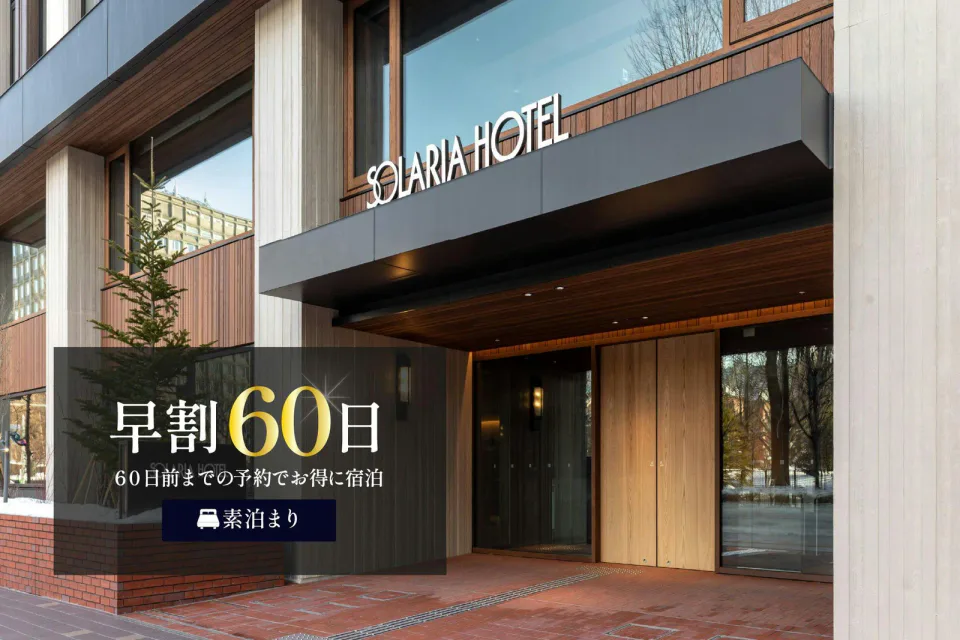
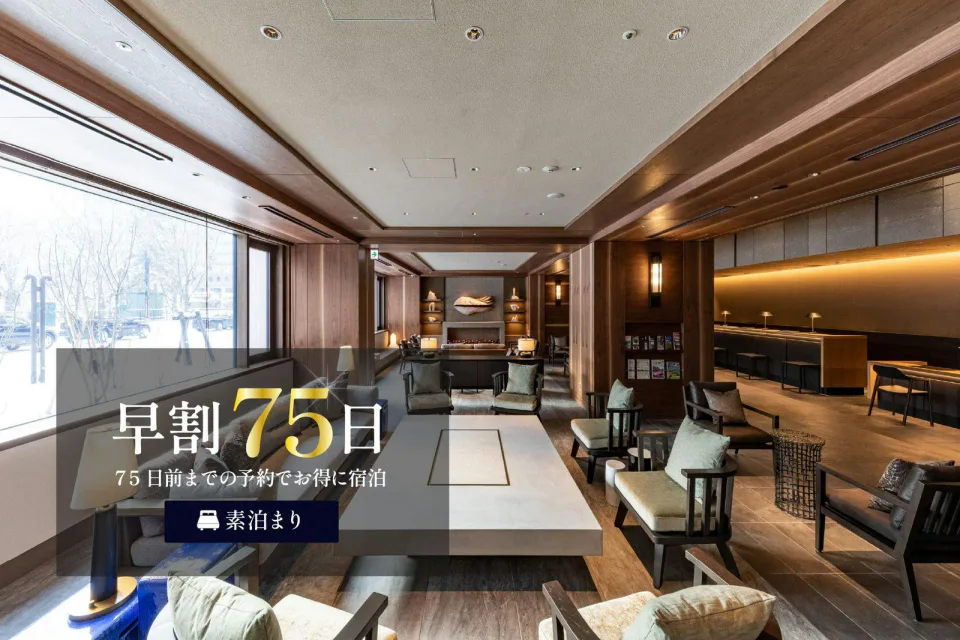
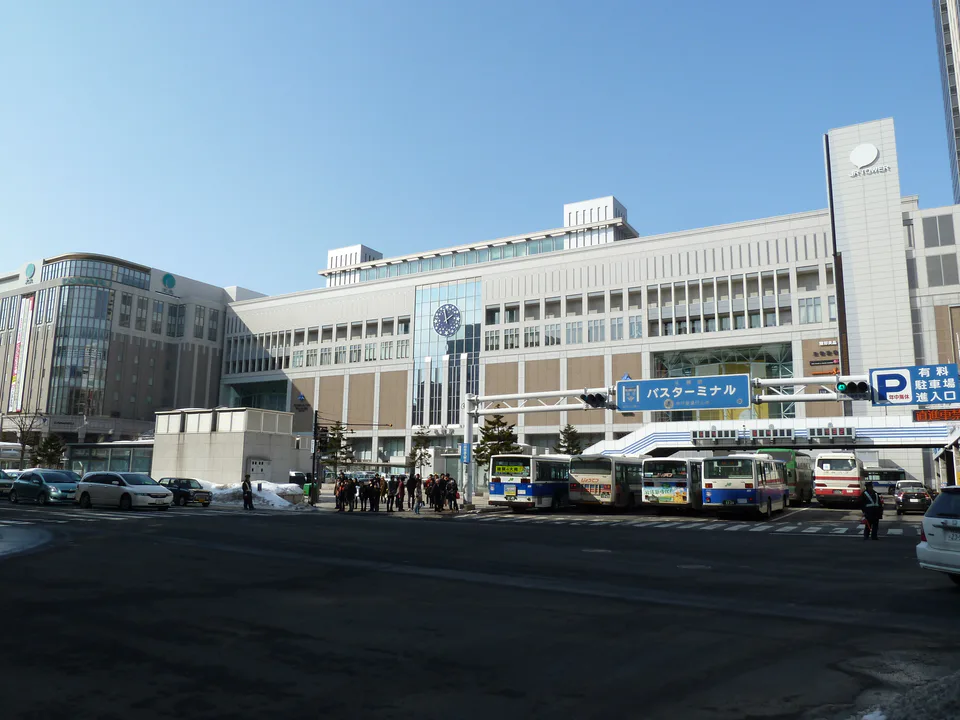
Sources
Solaria Nishitetsu Hotel Sapporo official website
Official Standard Twin, Rain Shower Double, Corner Twin and Premium Twin room pages
Official 2026 breakfast price notice
JR Hokkaido New Chitose Airport–Sapporo transport information
Room types, rates, availability and cancellation terms can change by date. This article may contain affiliate links; ValueNavi may earn a commission from qualifying bookings at no additional cost to you.