
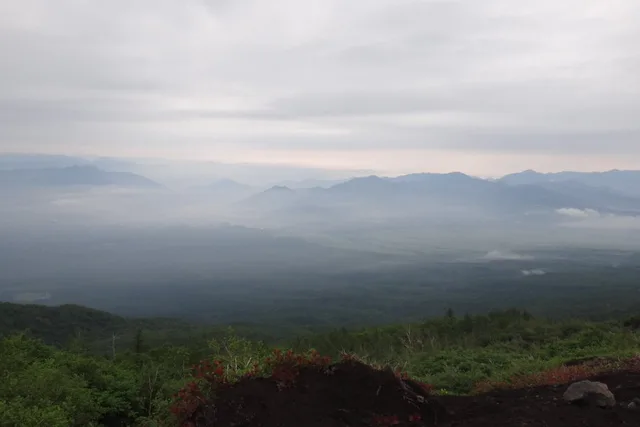
The 2026 Yoshida Trail season is scheduled for July 1 to September 10, subject to snow, repairs, road conditions and same-day announcements. Every climber pays a mandatory ¥4,000 fee per climb; the separate Mount Fuji Conservation Cooperation Money remains voluntary. For a first climb, the most workable plan is to stay in Kawaguchiko or Fujiyoshida the night before, reach Fuji Subaru Line Fifth Station in the morning, acclimatise, climb to a reserved hut, then choose sunrise near the hut, at the Eighth Station or at the summit according to weather and symptoms.
If the mountain is only one part of a wider route, start with the Tokyo–Kawaguchiko–Hakone itinerary and the Tokyo to Mount Fuji and Hakone planning guide. They help separate a real summit attempt from a sightseeing trip that only needs good Fuji views.
Who the Yoshida Trail suits
Yoshida has the densest hut network, straightforward seasonal buses from Kawaguchiko and Fujisan stations, and largely separate ascent and descent trails. It suits hikers who can give the mountain two days, accept shared hut sleeping and already have basic walking fitness. Travellers who only want a Fuji view, have no altitude experience, cannot accept basic accommodation, have no weather buffer or struggle with long gravel descents may be better served by a Fifth Station visit or a lower-altitude itinerary. The Kawaguchiko to Oishi Park boat-vs-bus guide is a much gentler alternative when views matter more than the summit.
2026 rules: fee, gate, daily cap and registration
For climbers without hut accommodation, the Fifth Station gate closes from 2:00 p.m. to 3:00 a.m. and the daily cap is 4,000 people; descending climbers are not restricted in the same way. Hut guests are outside the same cap but should keep an offline booking confirmation and pass before 2:00 p.m. when practical. The official multilingual system allows advance registration and fee payment, while same-day entry remains possible within remaining capacity. Trail registration and hut booking are separate: paying the fee does not reserve a bed or permit a non-hut climber through a closed gate. There is no ATM at Fifth Station, so carry cash and coins.
One day or two days and one night
A day climb requires a very early start, steady pace, favourable weather and a large descent margin; Fifth Station to the summit and back is commonly a ten-hour-plus high-altitude day. A hut night divides the ascent but does not guarantee restful sleep. Bullet climbing without a hut, sleeping beside the trail or attempting an unbroken overnight rush is dangerous and is not presented here as a valid plan.
The night before matters almost as much as the hut night. Compare Kawaguchiko or Fujiyoshida as a base and decide how many nights you actually need with the Lake Kawaguchi nights guide. A recovery night below the mountain is often more useful than a rushed onward transfer.
Choosing a hut: higher is not automatically better
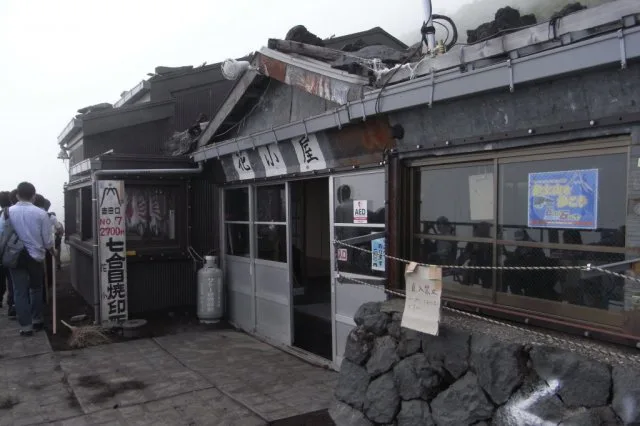
A Seventh Station hut makes day one shorter but leaves more climbing before dawn. An Eighth or Original Eighth Station hut is closer to the summit but demands more time and altitude on the first day. Prioritise a daylight arrival, meal time, cancellation terms, payment method, sunrise aspect and your actual ascent capacity. Huts require separate reservations and normally provide shared sleeping space, simple meals, no shower and limited water. Booking channels and payment rules vary, so use the official Yoshida Trail hut directory rather than reposted lists.
Fifth Station access: buses, road restrictions and luggage
Seasonal buses connect Kawaguchiko and Fujisan stations with Fuji Subaru Line Fifth Station. Rail travellers should read how to book the Fuji Excursion before assuming one train takes them to the trailhead—the Fuji Excursion terminates at Kawaguchiko, not Fifth Station. Private-car restrictions apply during the peak climbing season, so drivers generally transfer to a shuttle or taxi from the designated parking area.
Leave suitcases below the mountain whenever possible. A roughly 30-litre climbing pack should hold rainwear, insulation, headlamp, water, food, first aid and rubbish bags. The Fifth Station has paid lockers, but capacity and collection times matter. The Tokyo, Kawaguchiko and Hakone luggage guide is the better reference for sending or storing full-size luggage across the wider route.
A workable two-day timeline
On day one, spend roughly one to two hours at Fifth Station eating, organising equipment and acclimatising, then aim to reach the reserved hut during the afternoon. On day two, reassess the summit before leaving the hut using wind, thunder, visibility, headache and pace. The crater-rim circuit adds time and belongs only in a plan with spare margin. Whether or not you summit, start descending early and protect at least an hour before the last useful bus.
Pair this with: Best Kawaguchiko hotels for Mt Fuji views and private baths if the post-climb night should be comfortable rather than another transfer day.
Summit sunrise versus sunrise near the hut
The trail above the Eighth Station can become heavily congested before sunrise. An east-facing hut area or the Eighth Station may provide the same sunrise with less cold queuing, dark scrambling and obstruction on narrow sections. A summit sunrise requires extra time for congestion and clothing changes; tripods must never block the trail. If wind, symptoms or pace are poor after sunrise, cancelling the summit or crater rim is a normal safety decision.
Altitude sickness: worsening symptoms mean descent
Headache, dizziness, unusual fatigue, loss of appetite, nausea and vomiting can indicate altitude illness. Spend one to two hours acclimatising at Fifth Station, ascend slowly, drink small amounts regularly and take short breaks. If symptoms worsen, stop ascending and descend rather than masking the problem and pushing on. The climbing fee does not include personal rescue or medical insurance; check independently that a policy covers hiking to 3,776 metres, search and rescue, treatment and repatriation.
Weather and equipment decide whether the climb continues
Before sunrise the summit can approach freezing even in summer, and wind lowers the effective temperature sharply. Afternoon thunderstorms, dense cloud, rockfall and sudden road or trail closures can change the day. Carry proper hiking footwear, separate waterproof jacket and trousers, warm layers, hat, gloves, headlamp and spare battery, water, food, cash, power bank, first aid, sunscreen and rubbish bags. A bad-weather day can become a lower-altitude Fuji day instead of a failed holiday; the Japan rainy-day itinerary is useful for protecting the rest of the trip when transport or outdoor plans change.
Children, older travellers and beginners need a group exit rule
Children may struggle to describe altitude symptoms, while children and older travellers are more vulnerable to cold. Every adult in the group must accept that one person becoming unwell means the group descends. Do not estimate mountain pace from flat walking or book an unnecessarily high hut to shorten day two. Beginners should first be comfortable with several-hour hikes and reserve a recovery night after the climb rather than connecting immediately to long-distance travel.
The descent is where many itineraries lose their margin
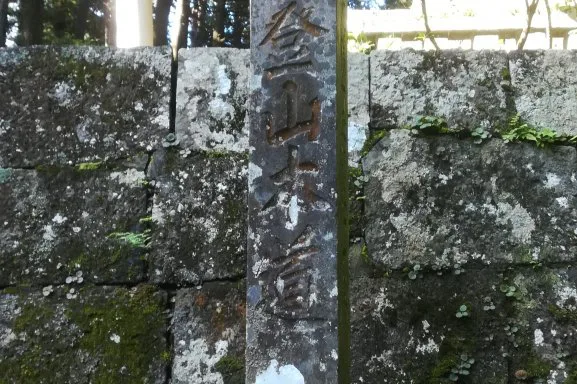
The Yoshida descent is a long series of volcanic-gravel switchbacks that strains knees and toes and has fewer supplies than the ascent. Near the Original Eighth Station, Yoshida and Subashiri share ground; keep following the yellow Yoshida signs rather than the crowd. Toilets generally request contributions, first-aid stations operate only during specified periods and hours, and there are no normal rubbish bins on the mountain. Carry every wrapper, tissue and heat pack down.
Do not make the final bus your planned finish. Build enough margin for a slow descent, queues, road restrictions and a missed departure. If your next leg is an early Tokyo train, the Tokyo Station vs Shinjuku base comparison can help decide whether returning to central Tokyo that night is sensible. For a longer Japan route, the 10, 12 or 14-day first Japan itinerary shows where a Fuji overnight fits without forcing the climb into a transfer day.
Common mistakes
Frequent errors include treating trail registration as a hut bed, reaching the gate after 2:00 p.m. without accommodation proof, wearing city trainers, carrying no headlamp or two-piece rainwear, insisting that sunrise must be at the summit, adding the crater rim before checking descent time, locking luggage somewhere that closes early, following the Subashiri descent in cloud and continuing upward with worsening altitude symptoms. Every one of these needs an exit plan made below the mountain.
FAQ
What are the 2026 Yoshida Trail opening dates?
The official season is July 1 to September 10, 2026. Actual opening can still be delayed by snow, repairs, road conditions or weather, so recheck on the day.
Does a hut booking replace trail registration?
No. Hut booking and trail registration are separate. Hut guests should keep proof of accommodation; advance official registration can reduce arrival procedures but does not reserve a bed.
Must sunrise be watched from the summit?
No. An east-facing hut area or the Eighth Station may offer sunrise without the dark summit queue. Weather, symptoms and descent time should decide.