
If it rains in Tokyo, the best response is usually not to replace your entire day with an “indoor attractions” list. In light rain, keep the neighbourhood you already planned and replace only the most weather-sensitive block. In steady all-day rain, choose one indoor-dense district and minimise exposed transfers. If heavy rain comes with strong wind, official warnings or major rail disruption, stop optimising for sightseeing and stay close enough to your accommodation that getting back is easy.
The hidden cost of a rainy Tokyo day is rarely the time spent inside a museum. It is the 12-minute exposed walk, the wet stroller, the timed ticket you reach late, the suitcase that cannot enter, and the second cross-city transfer you added only because another venue has a roof. This guide ranks rainy-day areas by those frictions rather than by how famous their attractions are.
If you only want a ready-made low-exposure route, use our Tokyo Station-to-Ginza rainy-day itinerary. If the forecast is forcing you to reconsider several days at once, start with the 4-, 5- and 7-day Tokyo itinerary and swap whole neighbourhood days before buying extra tickets.
ValueNavi decision table: what should you actually change?
↔ Scroll table left or right
| Situation | Best move | Why | Main mistake to avoid |
|---|---|---|---|
| Light rain or short showers | Keep the original district | The transfer to a “better” indoor area can create more wet walking than the original plan | Moving an Asakusa or Shibuya day across Tokyo just because a rain icon appears |
| Steady rain most of the day | Choose one indoor-dense district | Indoor backup density matters more than one blockbuster venue | Stacking three timed tickets in three districts |
| Family with stroller or young children | Prioritise Ikebukuro or Tokyo Station/Ginza | Food, toilets, shopping and early-exit options make failure recovery easier | Choosing a venue without checking stroller and luggage rules |
| One must-do timed ticket already booked | Build the rest of the day around that ticket | You reduce lateness risk and sunk-cost pressure | Adding another timed attraction before or after it on the other side of Tokyo |
| Heavy rain plus strong wind, warnings or widespread delays | Shrink the day to your hotel area | The journey home becomes the important constraint | Crossing Tokyo solely because the destination is indoors |
ValueNavi verdict: for a generic all-day-rain forecast with no fixed ticket, Tokyo Station/Ginza is the safest default. It does not win because it has Tokyo’s single best indoor attraction; it wins because the district lets you change your mind repeatedly without paying a large movement penalty. The answer changes if you genuinely want a major museum, teamLab, Sunshine Aquarium or the Studio Tour enough that it would have made your dry-weather shortlist anyway.
ValueNavi Rain-Friction Score: which Tokyo area is most resilient?
This is a ValueNavi editorial score, not an official tourism rating. It measures rain resilience, not attraction quality. Each district is scored from 0 to 10 across five equally weighted factors: weather-shielded movement, indoor backup density, booking flexibility, food/toilet/rest recovery, and the ability to abandon or shorten the plan without wasting much money. A higher score means the area is easier to use when weather, energy or group needs change mid-day.
| District | Rain-Friction Score | Best for | What keeps it from scoring higher? |
|---|---|---|---|
| Tokyo Station + Ginza | Lowest-friction default, shopping, food, flexible adults | Fewer “destination” attractions if you want one big-ticket experience | |
| Ikebukuro | Families, aquarium + mall day, easy early exit | Sunshine Aquarium includes an outdoor section | |
| Ueno | Museum lovers, science-focused families, solo travellers | Moving through Ueno Park can still mean exposed walking | |
| Azabudai + Roppongi | Couples and adults with teamLab or art already planned | Higher dependence on timed or paid anchors | |
| Toyosu + Odaiba | Families or adults with at least two Bay Area priorities | Cross-city commitment is high if you only want one venue |
The practical point is not that a 9.4 district is “better” than a 7.3 district. If teamLab Planets is already one of your top Tokyo priorities, Toyosu can be the correct answer despite the lower resilience score. The score tells you how much weather-driven friction you inherit when the district itself was not already part of your plan.
Indoor does not automatically mean good in the rain
A rainy-day attraction has two costs: the visit itself and the approach/exit around it. Before buying anything, check five things: exposed station-to-door walking, queue conditions, luggage or stroller rules, timed-entry rigidity, and what you can do nearby if the group wants to stop early.
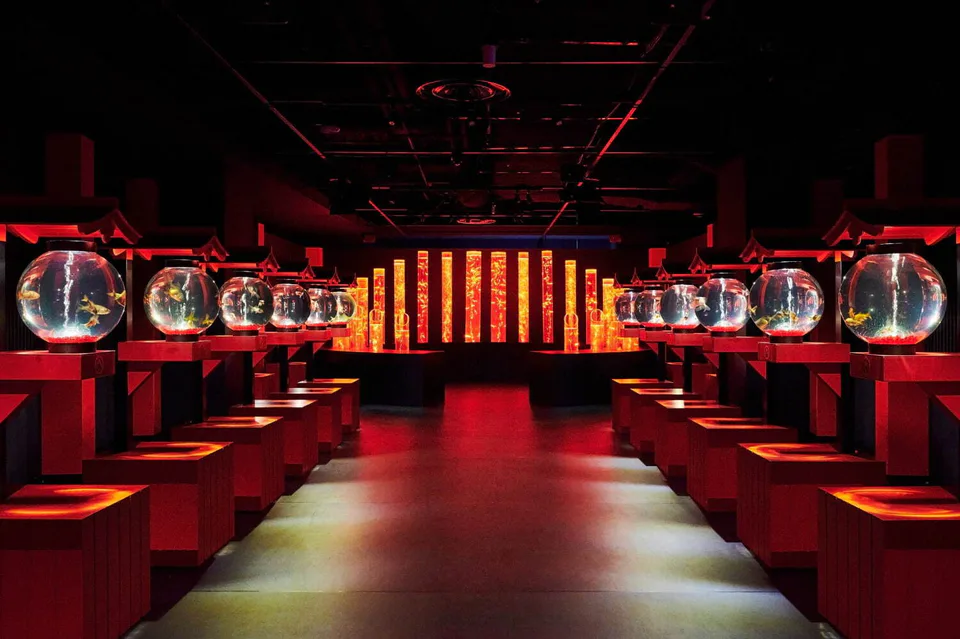
Art Aquarium Museum GINZA shows why this matters. Its official ticket page currently lists general admission at ¥2,500 (about US$16) and uses specified date/time admission. It also states that strollers and suitcases cannot enter and that there are no luggage lockers inside the museum. Ginza Mitsukoshi has a stroller storage area, and the museum FAQ directs luggage users to lockers elsewhere in the department store, but that is still extra friction. For a couple already in Ginza, the venue can be a compact rain-proof anchor. For a family arriving with a stroller and airport luggage, it is a much weaker spontaneous rescue. See our Art Aquarium Museum GINZA review before making it the centre of the day.
Observation decks are the opposite problem: the building may be indoors, but the product you are paying for is visibility. Low cloud and heavy rain can remove much of that value. If skyline views are the reason for going, compare the weather trade-offs in our Tokyo observation deck guide instead of replacing one weather-sensitive deck with another across town.
Tokyo Station + Ginza: the best default when reducing rain exposure is the goal
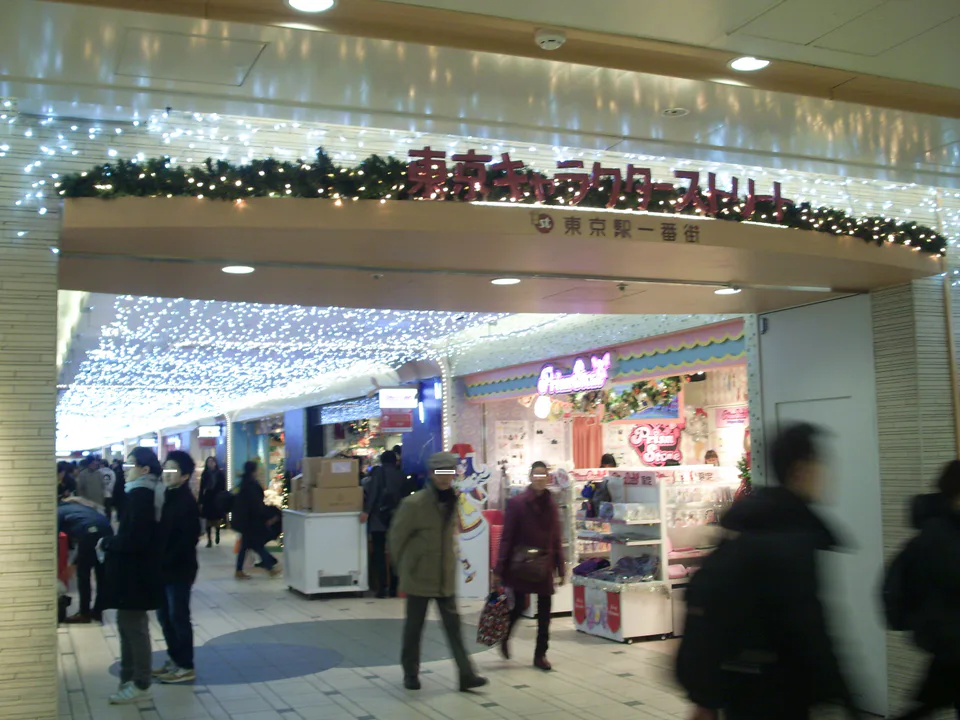
The strength of Tokyo Station and Ginza is continuity. Rail concourses, underground passages, department stores, restaurants and smaller museums let you keep changing the day without repeatedly reopening umbrellas. This is especially valuable when the forecast is uncertain: you can spend longer over lunch, add a shop or museum, or simply head back without feeling that you have abandoned a costly destination day.
INTERMEDIATHEQUE is the useful low-commitment anchor
JP Tower Museum INTERMEDIATHEQUE remains free. Its standard opening hours are 11:00–18:00, with Friday and Saturday normally extended to 20:00; it is closed on Mondays, with the usual national-holiday exception, and may close irregularly. The museum asks visitors not to bring umbrellas into exhibition rooms and provides lockers for large wheeled luggage. That combination is unusually useful on a wet transfer day: you can absorb an hour or two of the worst rain without turning the forecast into another expensive ticket.
Art Aquarium works when Ginza was already part of the route
The current ¥2,500 (about US$16) general ticket is a meaningful spend if you only want “somewhere dry.” It is easier to justify when Ginza shopping, a meal or Tokyo Station was already in the plan. The decision rule is simple: if you would not cross Tokyo for Art Aquarium on a dry day, do not cross Tokyo for it solely because it is raining.
Use the low-exposure Tokyo Station → Ginza route
Ueno: choose it when a museum is the main event, not when you only need two dry hours
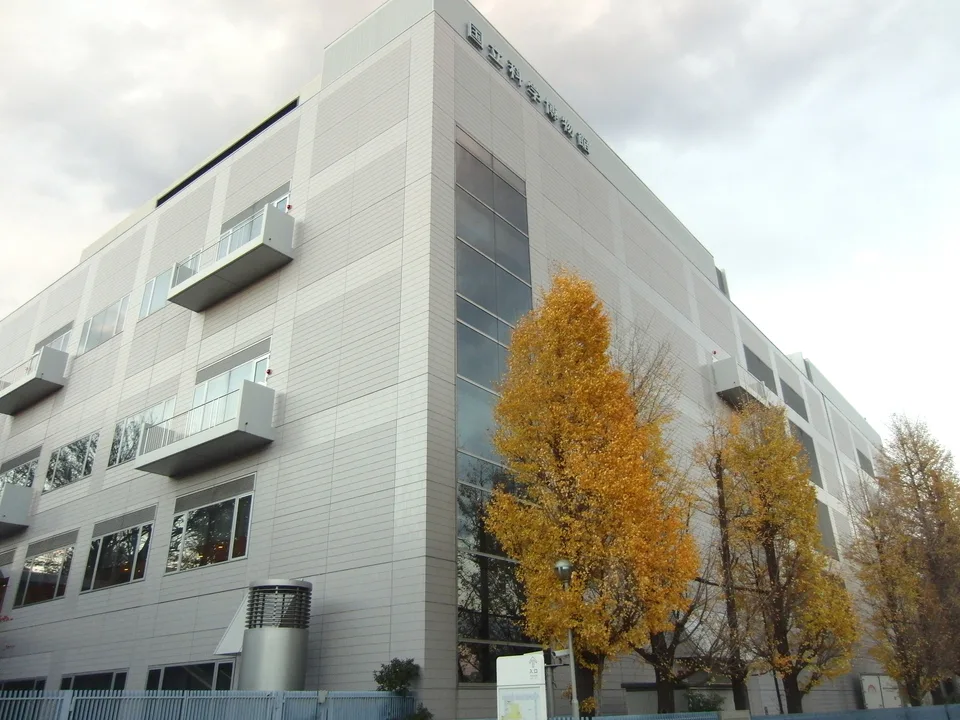
Ueno becomes a strong all-day-rain choice when you genuinely want a museum. Tokyo National Museum suits travellers who want Japanese art, history and material culture. The National Museum of Nature and Science is often the easier family anchor for natural history, science and dinosaurs. Both are substantial enough that trying to “maximise the rain day” by doing two major museums can backfire.
The National Museum of Nature and Science currently lists permanent-exhibition admission at ¥630 (about US$4) for adults and university students, with free admission for high-school students and younger. Standard hours are 9:00–17:00, with final admission 30 minutes before closing; closure rules vary around Mondays, holidays and special periods, so check the calendar for your exact date. See our National Museum of Nature and Science guide for visit planning, or the Tokyo National Museum guide if art and history are the priority.
The Ueno failure mode is museum fatigue, not rain
Rain does not create extra attention span. If you spend three serious hours in one collection, a second large museum can make the afternoon feel like homework. For most adults, one major museum plus lunch and a lower-commitment Ueno or Ameyoko block is more resilient. With children, the ability to stop after the first anchor is more valuable than buying a second ticket in advance.
Ikebukuro: the strongest family fallback because the district recovers well when plans fail
Sunshine City works in rain because the aquarium is not the only reason to be there. Food, shopping, toilets and other indoor options remain nearby if a child gets hungry, tired or overstimulated. That “failure recovery” is what gives Ikebukuro its high Rain-Friction Score.
Sunshine Aquarium’s 2026 adult price varies by date from ¥2,600 to ¥3,200 (about US$16–20). On weekends, public holidays and certain high-demand dates, admission can be restricted and the official site recommends advance date-and-time reservations. The important weather caveat is that the aquarium is not fully indoors: the permanent exhibition includes the outdoor Marine Garden. Light rain may barely affect the visit; strong wind and heavy rain can reduce the value of that section.
Family verdict: choose Ikebukuro over a more famous cross-town attraction when your main concern is flexibility. Avoid treating the aquarium as an automatic rain answer if the outdoor exhibits are a major reason your child wants to go.
Azabudai + Roppongi: good for adults when teamLab or art was already a priority
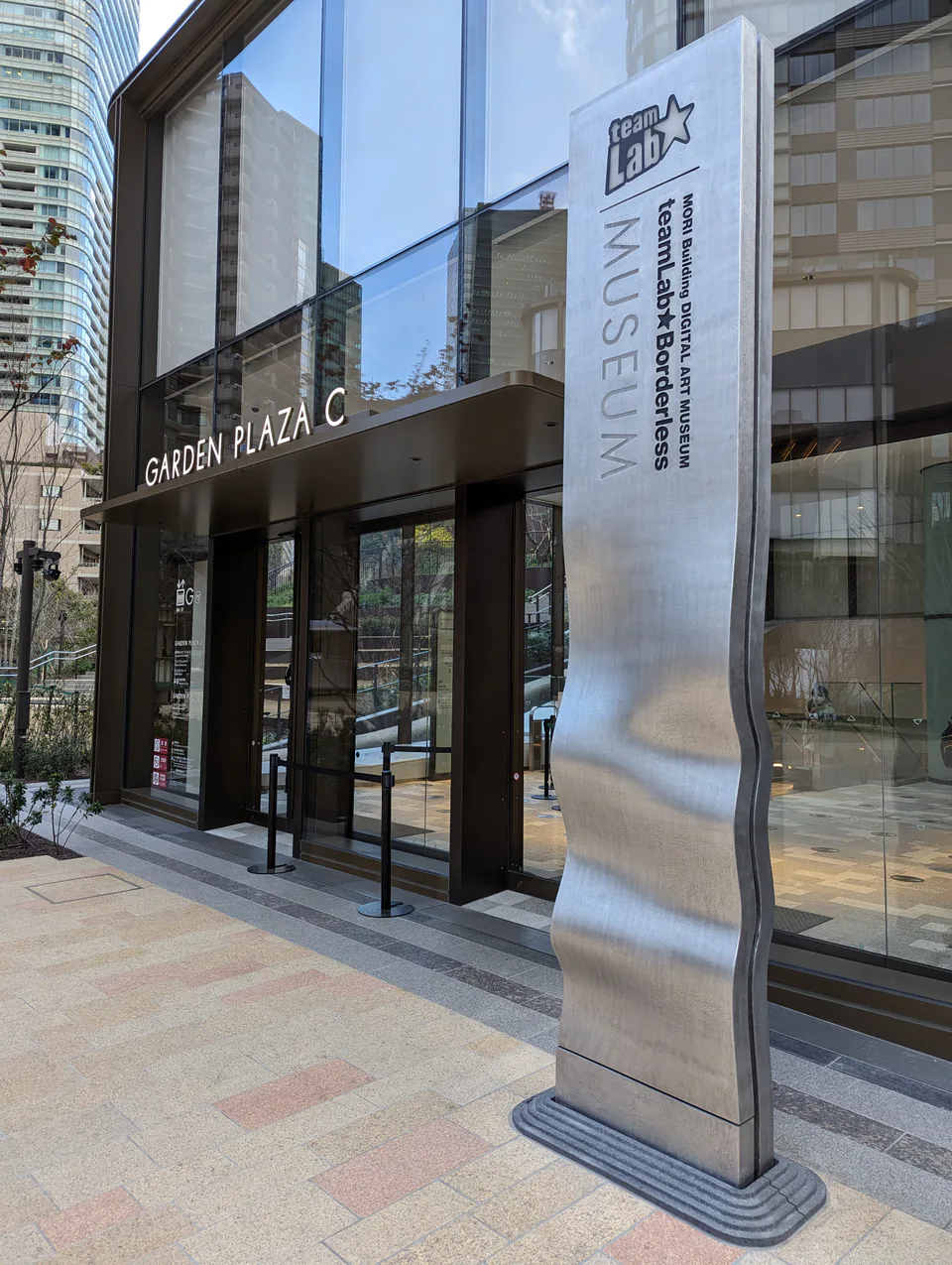
teamLab Borderless has a genuine rainy-day advantage because Azabudai Hills can be approached through underground-connected routes from nearby stations, reducing street exposure. Adult Entrance Pass prices currently use dynamic pricing from ¥3,600 (about US$23), and admission is date/time specific. Popular slots can sell out.
That booking pressure is the trade-off. Borderless is a strong rain anchor if you already wanted to spend several hours there; it is a poor reason to rebuild a Shibuya, Shinjuku or Asakusa day around Azabudai just because showers appeared in the forecast.
Rain also should not decide Borderless versus Planets for you. Planets in Toyosu is intentionally barefoot and includes walking through water; Borderless is a more free-roaming, connected-space experience. Use our teamLab Borderless vs Planets comparison first if you have not chosen the experience. Separate guides cover Borderless and Planets.
Toyosu + Odaiba: only make it a rain district if you want at least two things there
The Bay Area looks perfect on an “indoor Tokyo” map because teamLab Planets, SMALL WORLDS, UNKO Museum and other venues sit in the wider waterfront area. The hidden cost is committing to the waterfront from a central or west-Tokyo hotel. The correct test is not “are these attractions indoors?” but “would I still want two of them on a dry day?”
teamLab Planets currently lists adult Entrance Passes from ¥3,600 (about US$23) and uses timed entry. If Planets is your only Bay Area priority, you do not need to manufacture a full Odaiba day around it; it can still be combined with Toyosu, Tsukiji or Ginza depending on the rest of your route.
For children, SMALL WORLDS Tokyo and UNKO Museum Tokyo solve different problems. SMALL WORLDS is better when miniature scenes and moving displays can hold attention for longer; UNKO Museum is closer to a shorter interactive/photo stop. Before locking both, use our Tokyo family attractions by age and decide whether the child actually wants both experiences.
If the trip is already physically tiring, a slow bathing-and-food half-day can also be more valuable than adding a third attraction. Rain can be permission to reduce the itinerary; it does not have to become a reason to spend more.
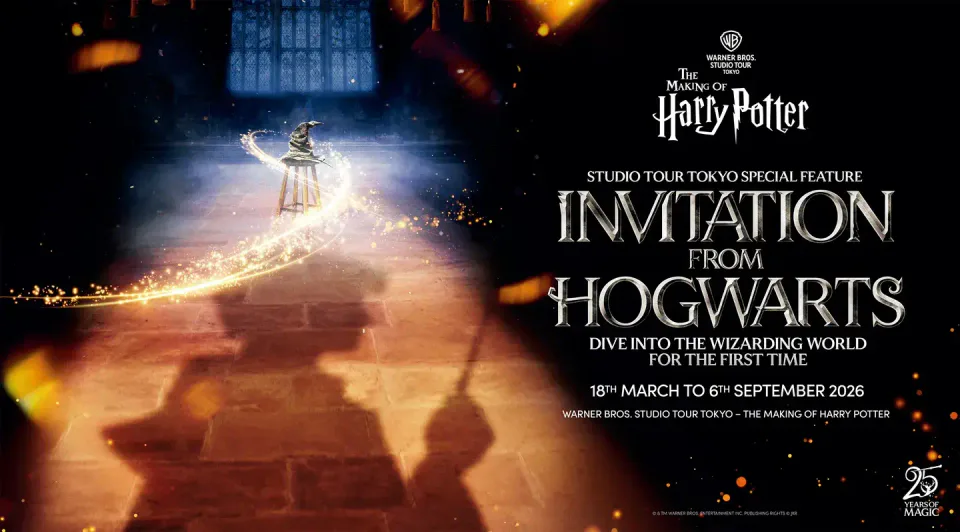
Warner Bros. Studio Tour Tokyo: excellent in rain, but weak as a spontaneous weather rescue
The official Studio Tour FAQ still recommends allowing three to four hours, with no imposed maximum visit time. That makes it one of the strongest single rainy-day anchors if the Wizarding World experience was already on your Tokyo shortlist.
The trade-off is commitment. This is not equivalent to stepping into a free museum because a shower starts. You are giving a large part of the day to one planned experience, and the route to Nerima must fit the rest of your schedule. The venue currently has luggage lockers, but its storage arrangements are also changing: the official facilities page says the cloakroom service ended in June 2026 and that new cashless paid lockers are scheduled from 10 September 2026, with further fee details to be announced. Check the current rule if you will arrive with suitcases.
If the Studio Tour was already a must-do and rain lands on that date, keep it. If you only woke up to rain and were never interested in the experience, do not let the forecast push you into a high-commitment ticket. Use our Studio Tour ticket guide if it is already on your shortlist.
Different groups should optimise for different rainy-day costs
Families: optimise for the moment someone wants to stop
Stroller handling, toilets, meals, seating, naps and luggage can matter more than attraction fame. Ikebukuro and Tokyo Station/Ginza score well because the plan can degrade gracefully: if the child is done, there are still easy food and exit options. A “perfect” three-ticket indoor day that only works if everyone stays energetic until 18:00 is fragile.
Couples: optimise the half-day around the anchor
Borderless can pair naturally with Azabudai or Roppongi. Art Aquarium pairs with Ginza. Sunshine Aquarium pairs with Ikebukuro. Ten minutes under an umbrella is usually less damaging to a date than finishing a venue and then spending 35 minutes in transit because the next “rainy-day attraction” is across the city.
Solo travellers: use flexibility as an advantage
Large museums and free museums become unusually good value because you can decide on the spot whether to stay 45 minutes or four hours. If you genuinely like history, science, design or natural history, rain can be the day when a museum finally gets the time a sunny sightseeing list would normally steal from it.
Friends: calculate the group spend before buying the backup
A ¥3,000–¥7,000 ticket is roughly US$19–44 per person at the 26 August 2026 exchange rate used for the rounded conversions in this article. Multiply that by four people and a “somewhere to hide from rain” decision becomes a real group budget choice. If interests split, a flexible district such as Tokyo Station/Ginza or Ikebukuro is often safer than forcing everyone into the same premium attraction.
If it is only light rain, keep the neighbourhood
Suppose you planned Asakusa. In light rain, keep Sensoji and Nakamise, then drop the long riverside walk or a visibility-dependent night view. If you planned Shibuya, extend shopping and indoor dining, then decide whether an observation deck still makes sense once you can see the actual cloud base and visibility. A rain icon is not a reason to move an east-Tokyo day to Odaiba.
On a multi-day trip, an even cheaper move is swapping an indoor-heavy day you already planned with the wet day. That avoids buying an additional attraction purely because the forecast changed.
If it rains all day, use one anchor + two disposable backups
A resilient rainy-day structure is:
One true anchor you would be disappointed to miss.
One nearby meal or shopping block that can expand if rain intensifies.
One free or low-commitment backup that can disappear without regret.
This is more robust than booking three timed indoor attractions. The anchor gives the day a centre; the other hours absorb delays, wet-weather walking, child fatigue or an unexpectedly long museum visit.
If you were already planning several paid Tokyo attractions, check whether a multi-attraction product covers the exact venues you independently chose. Use our Tokyo attraction pass comparison only after the itinerary is set. Do not buy a pass because rain made an indoor list look long and then add attractions simply to make the pass “pay back.”
Heavy rain and strong wind: change the decision rule completely
Ordinary rain and transport-risk weather are different planning categories. The Japan Meteorological Agency publishes warnings and advisories for hazards including heavy rain and strong wind, while JR East provides live Kanto-area train status information. When official warnings, major delays or suspension risk appear, the main question is no longer which attraction has the best roof. It is whether you can get back to your accommodation easily if conditions worsen.
Do not cross from Shinjuku to Toyosu, or from Ueno to Nerima, solely because the destination is indoors. Even when a venue stays open, the trip there and back can still be affected by wind, flooding or rail disruption. A station building, nearby shopping centre, restaurant or simply cancelling a paid activity can be the better severe-weather plan.
Boundary condition: this article is a sightseeing decision framework, not a safety forecast. If JMA warnings, evacuation information or transport operators give instructions that conflict with your itinerary, follow the official information.
Final verdict: answer three questions before you search attraction names
1. How disruptive is the weather? A two-hour shower, steady all-day rain and a strong-wind warning should produce three different itineraries.
2. Where were you already going? Crossing Tokyo for a roof is often worse than using a slightly less famous indoor option in the district you already planned.
3. What is your group actually trying to protect? A child’s energy, a timed ticket, a museum priority, a date-night atmosphere, a limited budget and simply staying dry are different objectives.
For most visitors, the default answer is: light rain → keep the neighbourhood; all-day rain → choose one indoor-dense district; severe weather → shrink the plan to your accommodation area and check official transport/weather information. Tokyo has enough indoor options that rain does not need to destroy the day—but also enough options that a wet forecast can easily trick you into an expensive, fragmented itinerary.
Once the rain level and district are clear, check bookable Tokyo activities
More Tokyo planning
Still choosing what deserves a place in the trip? Start with Tokyo Attractions: Stop Counting Sights and Start Assigning Whole Days. Travelling with children? Use Tokyo Family Attractions by Age. If the forecast specifically points to a Tokyo Station/Ginza day, switch to the step-by-step rainy-day route rather than turning this citywide framework into a schedule.
Sources and current-information check
Time-sensitive details in this article were rechecked on 26 August 2026. JPY remains the source currency; USD figures are rounded planning equivalents using approximately ¥1,000 = US$6.29 on that date. Exchange rates, opening hours, ticket prices, timed-entry rules and transport conditions can change, so verify them again for your travel date.
INTERMEDIATHEQUE visitor information · National Museum of Nature and Science admission information · teamLab Borderless official visitor information · teamLab Planets official ticket store
Art Aquarium Museum GINZA official tickets · Sunshine Aquarium hours and tickets · Warner Bros. Studio Tour Tokyo official FAQ · Studio Tour facilities and luggage information
Japan Meteorological Agency warnings and advisories · JR East Kanto train status