
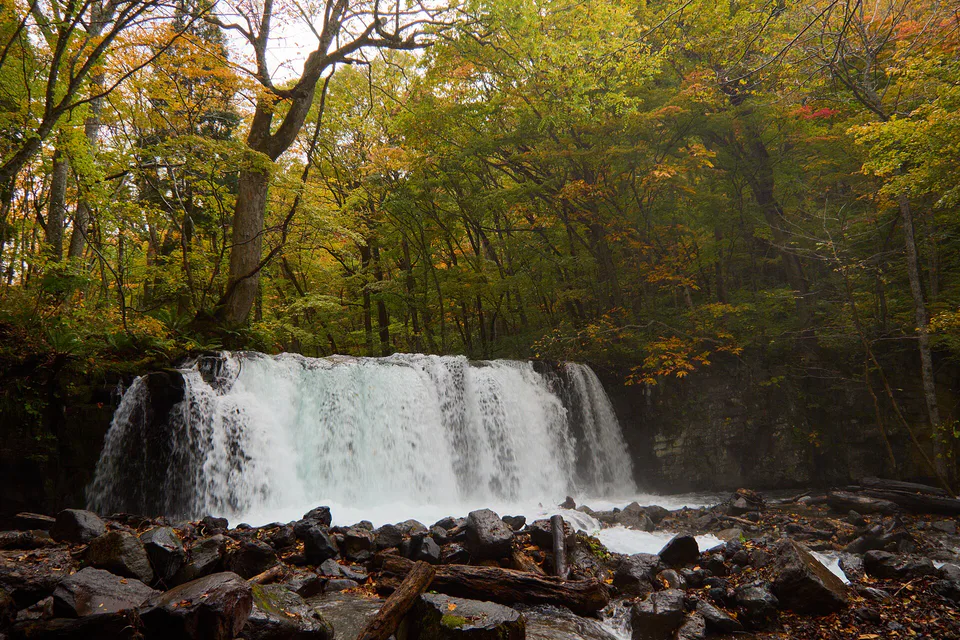
One night at Oirase Keiryu Hotel can work only when the arrival and departure windows leave enough usable time. A self-driver arriving early can use two half-days; a fixed afternoon shuttle followed by a morning departure may buy little more than dinner, sleep and one dawn. Before comparing nights, read the Oirase Keiryu Hotel decision guide so the hotel itself has already passed the value test.
The second night buys a full middle day, another dawn, fewer conflicts between activities and dining, and a weather backup. During foliage season that margin can matter more than upgrading the room. Compare the regional timing in the Tohoku autumn leaves guide before paying for two nights on the wrong foliage dates.
is one night enough at Oirase Keiryu Hotel: one night or two? The 30-second decision
↔ Scroll table left or right
Situation | Choose | Why |
Self-drive, early arrival, late departure | 1 night can work | You control both half-days |
Aomori/Hachinohe fixed shuttle | 2 nights safer | Transport consumes arrival and departure margins |
Photography, guided walks, uncertain weather | 2 nights | A full day and second light/weather window matter |
If the wider Aomori base is still undecided, compare where to stay for Tohoku autumn leaves and where to stay in Aomori. A two-night Oirase stay is much harder to justify if it creates an awkward first or final night elsewhere.
Transport decides whether one night is really one useful day
↔ Scroll table left or right
Transport pattern | One-night impact |
Fixed afternoon hotel shuttle | Arrival day becomes check-in, dinner and a short local window |
Morning return shuttle | Dawn must compete with breakfast, packing and departure |
Self-drive | More control, but parking, darkness and road conditions remain costs |
11:30 self-drive arrival and a fixed afternoon shuttle create two different one-night stays
Imagine reaching the Oirase area around 11:30 with a car and the ability to leave bags, eat and start a walk before formal room access. Even if check-in is later, the destination day has already begun. You can use the arrival afternoon for a substantial section of the gorge, return before dark, eat and still keep the next morning for a different short section. A fixed afternoon shuttle produces a narrower version of the same night: the transfer itself occupies the most useful daylight, hotel orientation and check-in happen after arrival, and dinner now competes with the only evening. The room nights are both “one,” but the usable destination hours can differ by several hours.
This is why the mode choice in Oirase by car or public transport should be settled before the night count. A second night is often buying back time lost to the transport mode rather than buying more hotel luxury.
One night becomes more workable when you control arrival and departure. A perfect room cannot restore hours lost to a fixed transfer, and a cheap room does not make a fragile schedule more resilient. If the transport chain has only one comfortable connection, build the stay around that constraint first.
If the stay continues to another Hoshino property, use the Aomoriya–Oirase best-order guide before choosing two Oirase nights in isolation. Transfer order can change which property deserves the extra night.
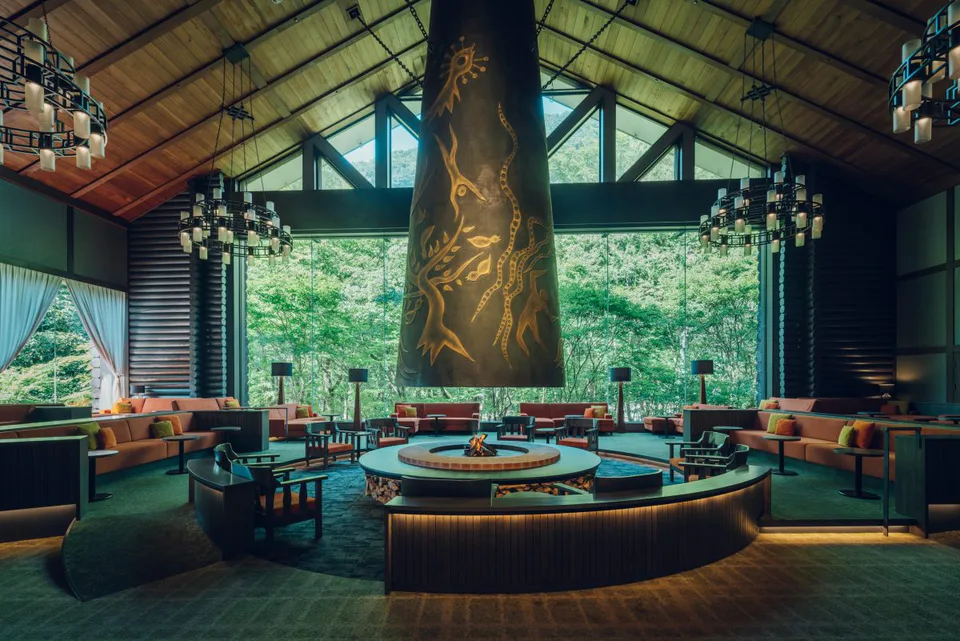
What the second night actually buys
↔ Scroll table left or right
Time block | 1 night | 2 nights |
Arrival afternoon | Check-in + one short section | Check-in without pressure to complete the main walk |
Full middle day | None | Gorge, guide, cycling, Lake Towada or rest |
Final morning | Only dawn chance | Second dawn or weather backup |
The full middle day is the main purchase. It lets you choose between the gorge and Lake Towada without forcing both into arrival and departure fragments. It also creates a day when guided activity, dining and rest do not all compete for the same few hours.
For foliage photography, the second dawn matters because light and weather are not guaranteed. Check the Japan autumn leaves live update before arrival, but treat it as timing guidance rather than a promise of perfect local conditions.
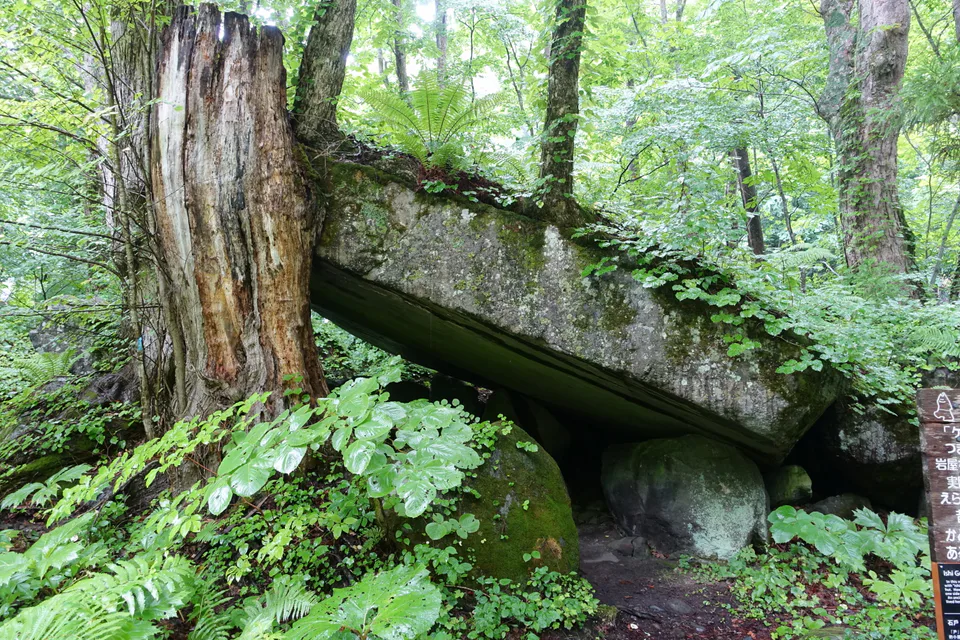
Pair this with
Pair the night-count decision with where to stay for Oirase autumn leaves and Aomoriya vs Oirase Keiryu Hotel. If both properties are on the shortlist, add which Hoshino resort in Aomori
One night: make it deliberately narrow
A good one-night plan is check-in, onsen, one short stream section, dinner, sleep, a protected dawn walk, breakfast and one final short section before departure. Do not try to complete the full gorge, Lake Towada and several activities. One night works by saying no to most options before arrival, not by moving faster once you get there.
The final morning forces dawn, breakfast, packing and departure into the same window
On a one-night stay, the only dawn is also checkout morning. A traveller who wants soft early light may leave the room before breakfast, return to eat, finish packing and then meet a fixed departure. Every delay consumes the same small window. Families and older travellers feel the collision more strongly because getting ready and eating may take longer, while photographers may want to stay outside when the best light finally appears. On two nights, the first dawn belongs to the full middle day: there is no checkout clock immediately behind it. That turns an early walk from a tightly timed excursion into something that can run long if the weather is good.
If bad weather hits the only dawn, the one-night plan has little protection. Use the Japan rainy-day itinerary backup guide to decide whether to shorten the outdoor sector instead of forcing a wet trail only because the hotel is expensive.
Two nights: separate the nature day from hotel time
With two nights, day one can remain an arrival day. Day two becomes the complete nature day, and day three keeps a second dawn and unhurried departure. That makes premium dining, an onsen session or a guided activity easier to schedule because they no longer compete with the only long walk. Families and older travellers can also shorten each walking block without feeling that the entire stay has failed. They can return to the hotel for a rest, skip one stream section and continue later rather than trying to maintain a photographer’s pace from morning to evening.
Autumn peak crowds make the second night a congestion buffer as well as a weather buffer
At peak foliage, road traffic, parking pressure and popular trail sections can make a perfect spreadsheet schedule less reliable. A one-night visitor who loses the arrival afternoon to traffic has no full day left to absorb the delay. A two-night guest can move a planned section to the middle day or the second morning instead of trying to recover every lost minute before dinner. Self-driving gives more control over departure time but does not remove road congestion; public transport removes the parking problem but replaces it with timetable dependence. The second night is valuable because it reduces how much one delay can damage the whole stay.
The second night loses value when the full middle day is spent away from Oirase. If Aomori city or another resort is the real priority, compare Is Aomoriya worth it? and the Aomori first-night hotel guide rather than paying for an Oirase room you barely occupy.
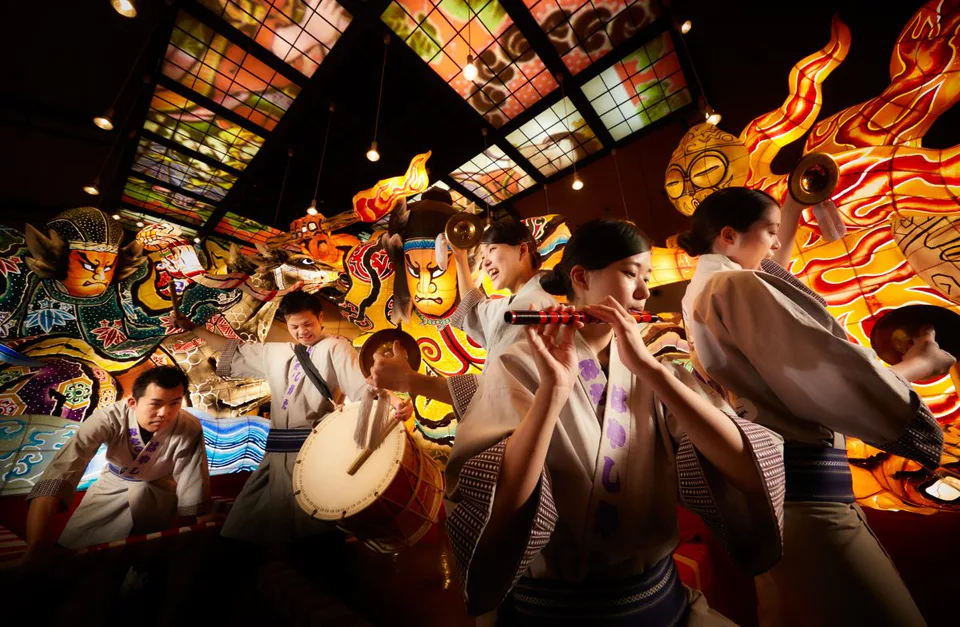
Room upgrade or second night? Time usually wins
For a first visit, I would usually buy the second night before a premium room upgrade because time changes transport, weather margin, activity choice and the number of useful mornings. A useful break-even test is to compare the second-night price with the room-upgrade premium and ask which changes more hours of the trip. A larger or better-view room improves the hours spent inside it. A second night can improve arrival, the entire middle day, two dawn choices and the departure morning. Choose the room upgrade instead when the trip cannot add time, mobility makes longer outings unrealistic, private bathing is the main requirement or you expect to spend much of the stay inside the room.
If luggage is moving through multiple Tohoku hotels, use Japan luggage forwarding to keep the forest stay from becoming a suitcase-transfer day. The second night is more valuable when the middle day is truly free of logistics.
Compare one- and two-night rates
Check Oirase Keiryu Hotel on Booking.com
Check refundable Oirase rates on Expedia
Final verdict
Choose one night only when transport leaves two useful half-days and you are happy with one focused Oirase experience. Choose two nights for fixed-shuttle users, foliage photography, guided activities, families, older travellers, weather uncertainty or anyone treating the gorge as the main destination. For most first visits, the second night changes the trip more than a room upgrade because it buys usable hours rather than a nicer version of the same hours.
Osaka and Kyoto in 7 Days: 3 Nights Each — When One Hotel Move Is Actually Worth It
Biei Day Trip or Overnight? When Staying One Night Is Worth It
Where to Stay in Hakone for One Night: Yumoto, Gora or Lake Ashi
References
Oirase Keiryu Hotel — official access, resident stream shuttle and activities. Recheck shuttle reservations, activity schedules, road conditions and cancellation terms for the actual stay date.