
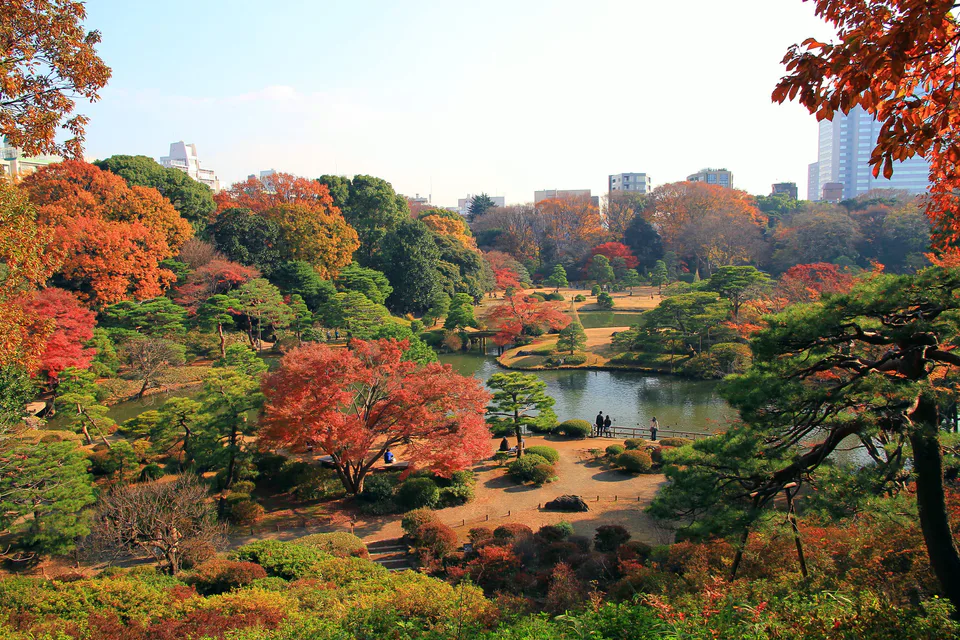
Japan autumn leaves with seniors or children should be rebuilt around walking tolerance, exits, toilets, medication, meals, naps, luggage and final transport—not created by slowing down an adult itinerary. The safest default is one city base for three to six nights, one main sight and one cancellable light activity each day, with a return to the hotel after about 15:00. This is travel planning, not medical advice; health, bathing or altitude concerns require an appropriately qualified professional.
Last checked August 4, 2026. Accessible entrances, lifts, ropeways, buses and construction can change. Wheelchair or mobility-aid users should confirm the exact entrance, surface, gradients, toilets and accessible zone with the official operator for the travel date.
Japan autumn leaves with seniors: choose by mobility and exit ability
↔ Scroll table left or right
Traveller | Safe default | Better base |
Independent slower senior | One main sight plus one light stop | Tokyo, Kanazawa, Sapporo or Osaka |
Limited knees/stamina | Remove stairs, queues and repeated evenings | Station hotel, rail and short taxi |
Wheelchair/mobility aid | Only confirmed ramps, lifts and toilets | City gardens, museums, station districts |
Child age 0–3 | One sight and a protected nap | Single hotel, in-room bath, laundry |
The table is not a step prescription. A traveller who normally walks 10,000 steps may not manage the same amount on gravel, wet leaves, cold stairs and crowded platforms. The stronger test is whether the route has seats, toilets, a taxi point, a simple hotel return and a way for the group to split.
Why Tokyo, Kanazawa, Sapporo and Osaka are easier
Tokyo has the best combination of rail, short taxis, gardens, food and indoor backups. Choose one of Rikugien, Shinjuku Gyoen, Koishikawa Korakuen or Hamarikyu as the main sight, then use a museum, department store or hotel rest. Three gardens in one day still create substantial station and transfer walking.
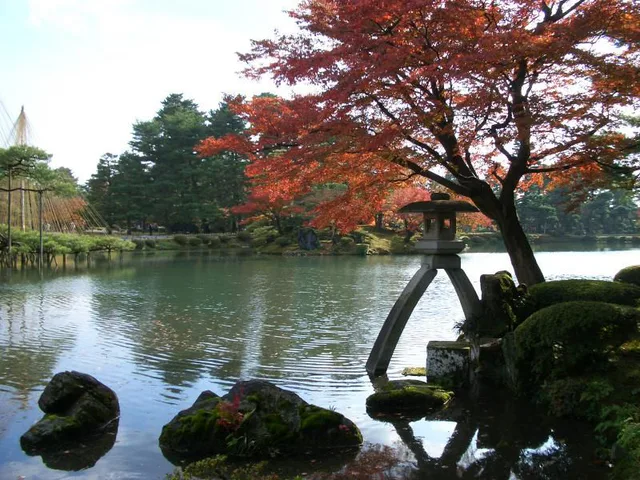
Kanazawa can work for two or three nights when Kenrokuen and the castle area are separated by short taxis, but Kenrokuen still contains slopes, gravel and steps. Confirm the best entrance rather than assuming the nearest map pin is easiest. Sapporo and Osaka provide strong indoor alternatives, transport capacity and city services, making them useful recovery bases for Hokkaido or Kansai.
Kyoto works only with a rail-first redesign
Kyoto's density is deceptive. Kiyomizudera hills, temple steps, crowded buses and illumination queues add together. Use subway or rail first, select Kyoto Gyoen, Toji, the outer Nanzenji area or one garden as the main sight, and return to the hotel in the afternoon. Limit the evening to one event chosen from the hotel base.
Kyoto Station suits regional rail and Toji; Karasuma Oike is useful for the Tozai Subway; Kawaramachi/Gion is close to Higashiyama but crowded. A hotel five to ten minutes from a lift-equipped station can be more valuable than a picturesque property reached by a slope.
A ropeway does not mean step-free access
Mt. Takao still has slopes after the cable car. The Miyajima ropeway does not reach the Mt. Misen summit. Asahidake arrives in exposed alpine terrain affected by wind, rough ground and snow. Kurodake may add a chairlift and uneven mountain surfaces. Always ask what remains after leaving the transport: distance, ground, gradient, toilets and exit options.
Kiyomizudera, Hasedera, Tanzan Shrine, Takachiho Gorge, the Kokonoe suspension bridge and Shirakawa-go viewpoints can be unsuitable because of steps, hills, distance, queues, height exposure or slippery ground. A general 'senior friendly' label cannot replace the traveller's actual ability and the dated route condition.
The hotel creates the easy Kawaguchiko, Hakone or Yufuin route
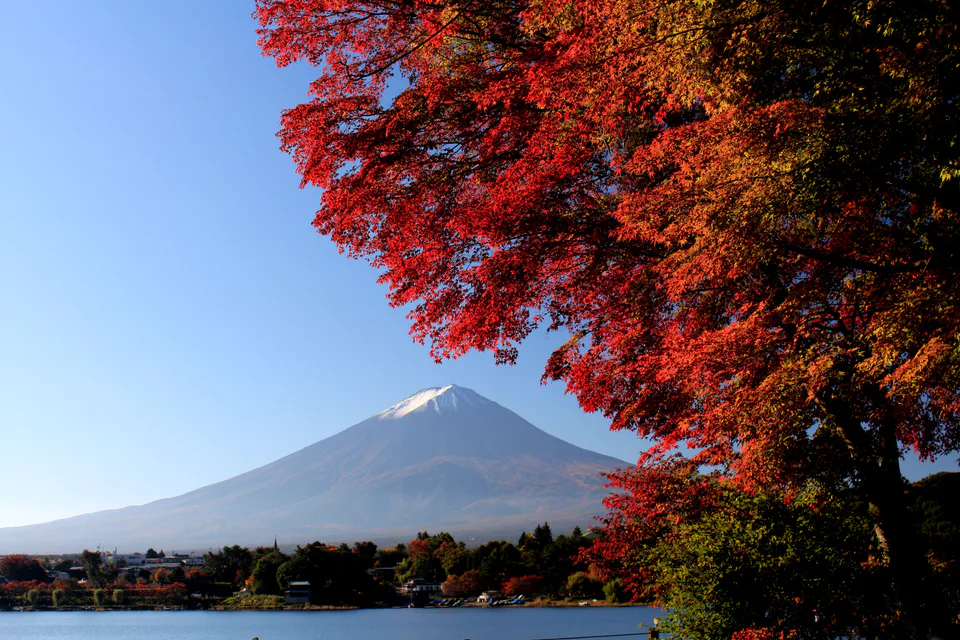
At Lake Kawaguchi, choose one lakeside zone: the maple corridor, Oishi Park or another single stop. Stay overnight for dawn Mount Fuji and evening foliage, and confirm a written hotel shuttle. Do not take large luggage onto a crowded sightseeing bus. When Fuji is hidden, use the lake, museums or hotel onsen rather than adding more transfers.
In Hakone, one museum plus a Gora or Hakone-Yumoto hotel can be a complete day; the full loop is optional. In Yufuin, stay near Lake Kinrin, the station or a property with a shuttle. Travellers prioritising lifts, hotel choice and rail can stay in Beppu and make Yufuin a daytime visit.
Design every day with an exit
Use 7:00–8:00 for breakfast, medication, weather and transport; 8:30–11:15 for the sole main sight; an early lunch; 13:00–15:00 for a light or indoor activity; and hotel rest after 15:00. Every block needs a nearest station, taxi point, toilet, indoor seat and group-splitting option.
If the morning already uses the traveller's capacity, cancel the afternoon. A paid ticket or the idea of a once-in-a-lifetime trip is not a reason to continue. For toddlers, the nap is a fixed itinerary item. One adult can accompany a senior or child back to the hotel while the rest complete a longer route.
Transport and hotel filters
In cities, combine rail with short taxis. For mountain buses, confirm standing risk, wheelchair or stroller handling, the final service and toilets. A rental car removes transfers but adds child seats, luggage capacity, snow, parking, alcohol restrictions and driver fatigue. Travellers without winter-driving experience should not enter mountain roads after early snow at night.
Prioritise a hotel within five to ten minutes of a major station with lifts, an in-room bathroom, early breakfast, laundry, luggage storage and a nearby pharmacy. Confirm bed configuration, not just the room label: twin beds, a double, futons, extra beds and child-sharing rules affect sleep and getting up. At a scenic ryokan, confirm shuttle, latest arrival, dinner and stairs between the room, restaurant and bath.
Onsen, medicine and food
Travellers with cardiovascular, dizziness or other bathing concerns should ask a qualified clinician. Check private-bath options, slippery floors, stairs, child and diaper rules; do not bathe after alcohol. An in-room bathroom may matter more than a natural hot spring for a traveller who cannot use the public bath.
Medication, medical devices, allergy information, child supplies and one change of clothing stay with the traveller, not in forwarded luggage. If a restaurant cannot handle soft food, allergies or a child seat, use a department-store food hall, convenience store or hotel restaurant. A half-board ryokan requires an agreed dinner time.
Rain, early snow and fatigue Plan B
Pain, breathing difficulty, fatigue or a toddler nap cancels the second sight. Return by taxi or split the group. Heavy rain removes gorges, bridges, slippery stone steps and long approaches. If an accessible entrance closes, a surface freezes or a ropeway stops, do not lift a wheelchair over the route or improvise on site.
When foliage is green or fallen, switch elevation or a city garden from the same hotel base rather than moving hotels immediately. If one traveller does not use onsen, the ryokan needs an in-room bath, lounge or nearby non-bathing activity so the evening is not reduced to waiting.
Compare cancellable multigenerational hotels on Booking.com
Compare senior and family hotels on Expedia
Frequently asked questions
Which city is easiest for a first multigenerational trip?
Tokyo usually offers the strongest combination of rail, short taxis, gardens, food and indoor backups.
Does a ropeway make a mountain accessible?
No. Confirm the remaining ground, gradient, toilets, distance and accessible zone after leaving the lift.
How many sights should one day include?
One main sight plus one cancellable light activity is the safest default; remove the second item when fatigue appears.