
Kurashiki is easiest to enjoy when you stop trying to do the canal, museum, shopping and riverboat in one continuous midday block. In summer 2026, the riverboat’s final departure is 15:00, while Ohara Museum stays open until 17:00. The practical plan is therefore: secure the boat first, use the hottest hours for art and food, then come back to the canal after the commercial rush starts to fade. If Kurashiki is part of a wider Setouchi trip, compare the day with the Hiroshima and Miyajima 2-day itinerary before adding another hotel change.
Kurashiki in 30 seconds: morning boat, midday art, evening canal
Morning: reach Kurashiki-kan around 09:00 and buy a same-day boat ticket. Midday: use Ohara Museum, lunch and a fruit stop while the stone streets are hottest. Late afternoon: finish shopping before most doors close. Evening: return to the canal for softer light and fewer day-trippers. If your wider trip also includes island art, compare the timing with the Naoshima e-bike day guide
The riverboat is the least flexible part of the day
Kurashiki’s official 2026 riverboat information lists departures every 30 minutes from 09:30. From July 1 through September 30, the final boat leaves at 15:00 because of summer heat. Tickets are sold at Kurashiki-kan from 09:00 for that day only. The current summer fare is ¥700 for adults and ¥350 for children aged five through elementary school; under-fives ride free. Each boat holds six passengers.
That makes the boat the first thing to decide, not the last. If the desired slot is gone, remove the boat instead of rebuilding the entire day around waiting. From October 1, 2026, the official fare rises to ¥1,000 for adults and ¥500 for children, and limited web reservations begin for October sailings, so summer booking advice should not be copied into autumn without checking again.
Ohara Museum is the right place to spend the hottest hours
Ohara Museum currently charges ¥2,000 for adults and ¥500 for visitors under 18. From March through November, the main museum is open 09:00–17:00 with final admission at 16:30; August is currently open daily. This makes it a much better midday anchor than treating the museum as a quick backup after everything outside becomes uncomfortable.
Give the museum at least 90 minutes if the collection is a real priority. If you are only using it to escape the heat, the Main Gallery still deserves enough time to justify the ticket. For another city where museum timing changes the route, compare the Nara Prison Museum half-day plan
Luggage changes whether Kurashiki feels charming or irritating
Stone paving, narrow bridges and restored shop interiors are not good places for a full-size suitcase. Store the bag at the station, hotel or an available local locker before entering the Bikan area. If Kurashiki sits between two overnight cities, the Japan luggage-forwarding guide can be more useful than designing the whole day around locker opening hours.
Food and shopping should support the rhythm, not become extra obligations
A peach parfait or fruit drink works best as an afternoon recovery stop rather than another item to complete. Denim shopping is similar: Kurashiki’s textile story is meaningful, but the useful decision is whether you want a real Kojima-made garment or simply a small blue souvenir. Finish higher-consideration shopping before late afternoon so fitting, tax-free questions and exchanges do not collide with closing time.
If food is a major part of the wider route, the Hiroshima Station food guide and the Sanuki udon-making comparison help decide whether Kurashiki needs to carry a major meal as well as sightseeing.
Pair this with
If the next decision is another Setouchi nature-and-view day, pair Kurashiki with the Shodoshima Kankakei guide. If you are continuing into Shikoku without a car, the four-day Shikoku itinerary exposes how much transport time the next region actually needs.
Blue hour is worth returning for because the district changes after five
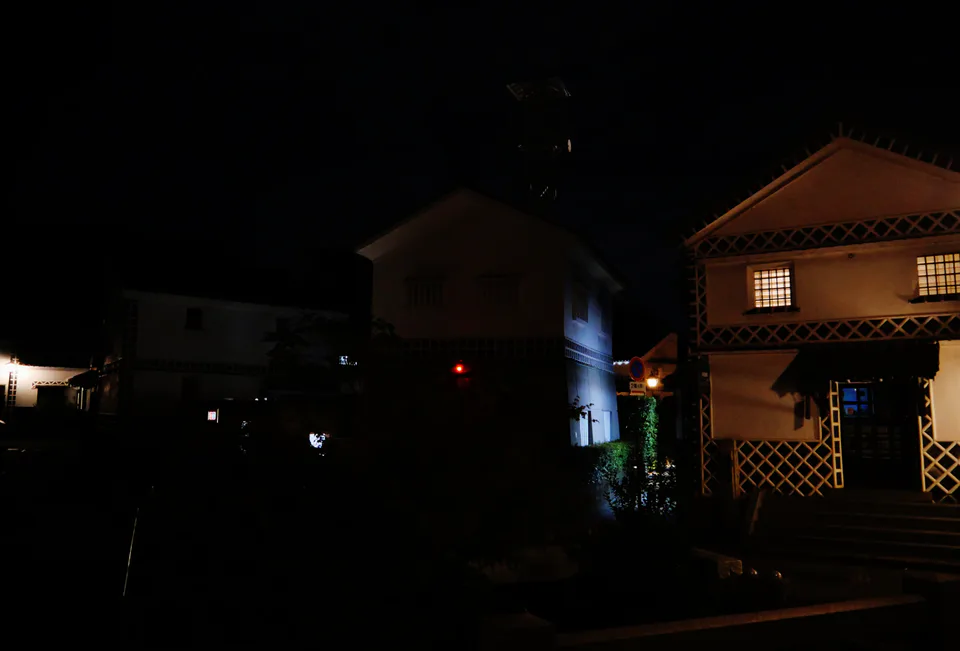
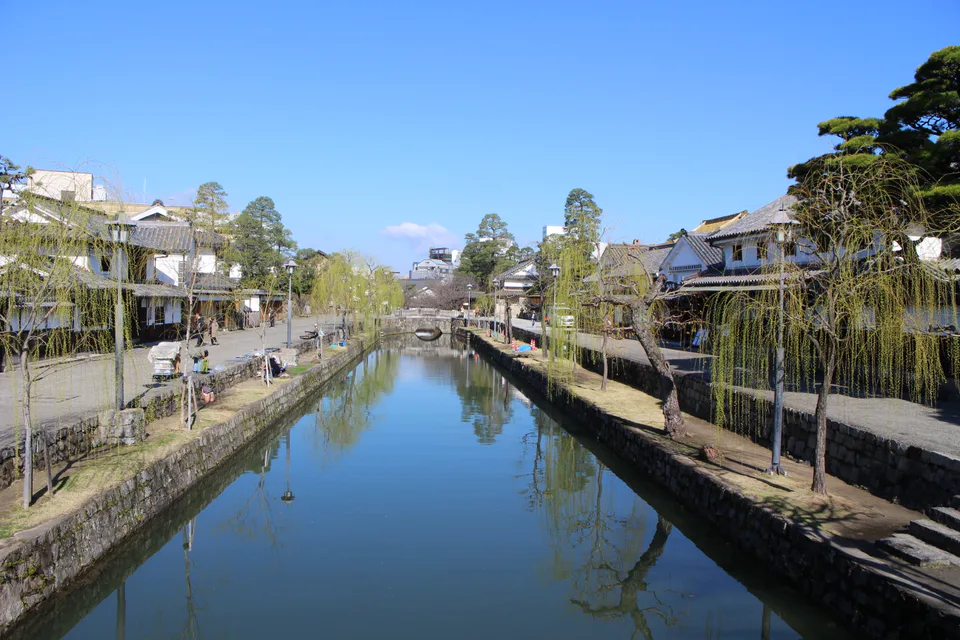
After many museums and shops close, the canal stops behaving like a continuous queue of attractions. White walls hold softer light, willows become more visible in the reflections and the same bridges are easier to frame. Returning to the canal is not repetition: morning is for operations and open doors; evening is for atmosphere.
If the forecast turns wet, do not force the same outdoor loop. Light rain can improve tile and stone colour, but heavy rain should push more time indoors. Use the Japan rainy-day itinerary backup guide to decide which day in the wider route should move.
Four hours vs a full day
With four hours in the morning, choose the boat, the canal and one serious indoor stop. Do not add every shopping street. With a full day, the strongest version is boat and old-town lanes in the morning, Ohara Museum and food around midday, then a second canal pass near sunset. If Kurashiki is only one specialist stop in a first trip, the first-time Japan itinerary helps judge whether one night here is worth taking from Kyoto, Osaka or Hiroshima.
If the whole Japan route is still open, start with How to Plan a Trip to Japan. If Hiroshima is next, the Hiroshima one-day itinerary helps avoid duplicating museum-heavy days back to back.
Verdict
Kurashiki works best when the riverboat sets the morning, the museum absorbs the heat and the canal gets a second look near blue hour. The biggest mistake is not missing one shop; it is spending the whole day in the district at its busiest and hottest moment.
September Grand Sumo Tokyo 2026 Is Sold Out: Official Resale and No Walk-Ups
Karuizawa Autumn Leaves 2026: Kumoba Pond, Shiraito, Cycling and Trains
Fukuoka Hotels: Stop Ranking Properties—Choose by Trip Shape, Area and Who You Travel With
Where to Stay in Fukui: Keep the Dinosaur Museum and Eiheiji Near the Rails, or Sleep in Awara Onsen
Tateyama Kurobe Traverse or Round Trip? Transport, Luggage and Where to Stay
References
Kurashiki Tourism — official riverboat schedule, fares and booking rules · Ohara Museum of Art — current admission and opening hours · Kurashiki Tourism — Bikan Historical Area