
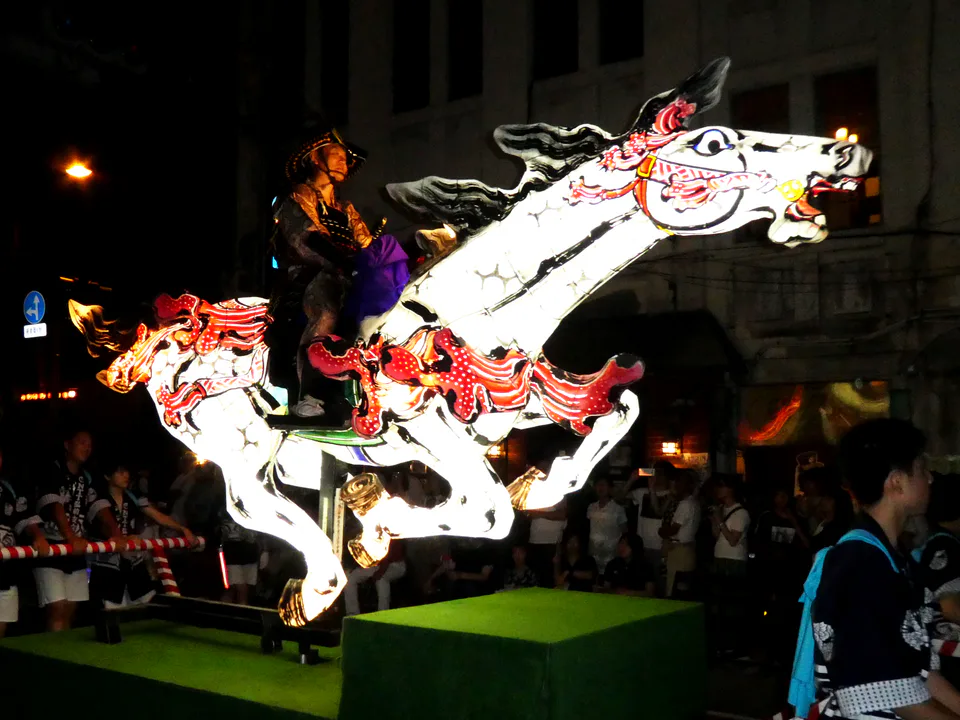
Hirosaki Neputa 2026 ran August 1–7 and has ended. The route decision is still useful for a future visit: Dotemachi on the first four nights for classic downtown atmosphere, the Station Area on August 5–6 for easier JR access and darker-sky photography, or the August 7 daytime finale when family stamina or onward travel matters more than the illuminated night effect.
If you have not yet decided between Hirosaki and Aomori, start with Aomori Nebuta vs Hirosaki Neputa. If both cities are already in the plan, the Tohoku one-week festival itinerary should set the city order before you optimise one parade night.
Hirosaki Neputa route choice in 30 seconds
First visit: choose a Dotemachi night. Late rail arrival or photography-first trip: choose the Station Area. Family or onward-travel morning: choose the August 7 daytime procession. Want the most complete 2026 finale experience: the daytime parade and Nanukabi Okuri were separate events and needed separate planning.
Dotemachi is the strongest default because the street itself changes the scale
The 2026 Dotemachi course ran at 19:00 on August 1–4. The official tourism site described the route as roughly 10–30 minutes on foot from JR Hirosaki Station depending on the section. That is precisely why the choice matters: arriving at the station is not the same as being settled along the route.
Dotemachi rewards travellers who care about the floats feeling physically close to the older commercial streets. If you are comparing that with a larger city-night procession, use the Aomori Nebuta 2026 main guide and the Aomori free-viewing vs reserved-seat guide to understand why the two Aomori festivals solve different viewing problems.
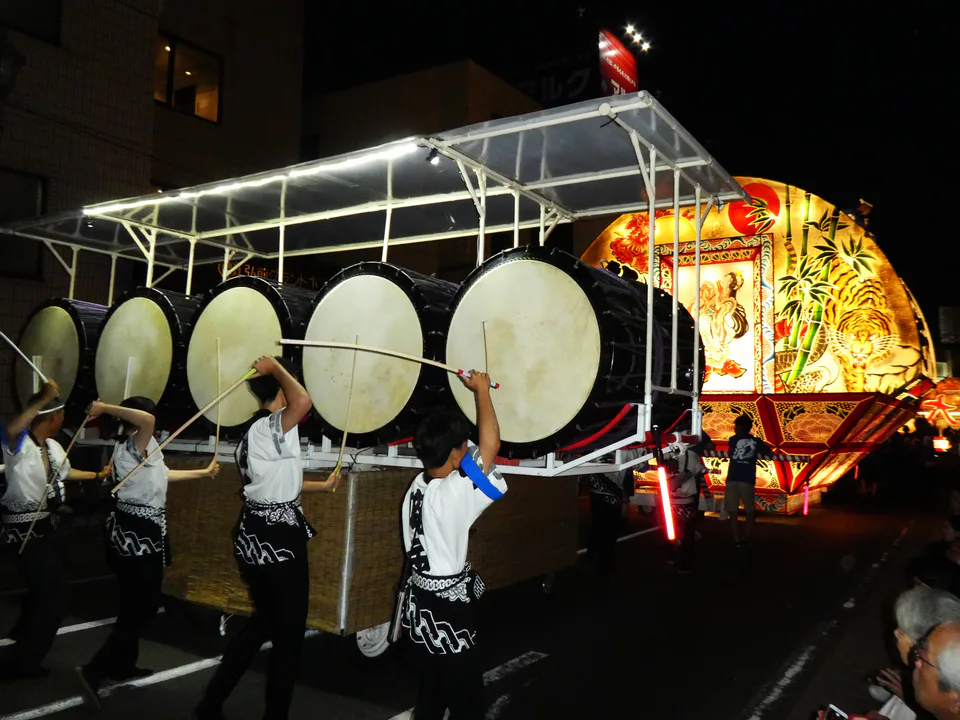
The Station Area wins when the train is part of the constraint
On August 5–6 the parade still began at 19:00, but moved to the Station Area. That made it the better fit for late-afternoon rail arrivals and travellers who wanted a simpler route back to JR Hirosaki after the procession. The more open street also made the full outline of the illuminated fan-shaped floats easier to frame.
If luggage is the reason the station route feels safer, solve the root problem with the Japan luggage-forwarding guide rather than designing the whole festival night around a suitcase. For general local-bus mechanics, the Japan bus guide is only a baseline; festival traffic notices still take priority.
Pair this with
Pair the route choice with Japan Summer Festivals Compared if you are still deciding whether another Tohoku parade night adds a genuinely different experience.
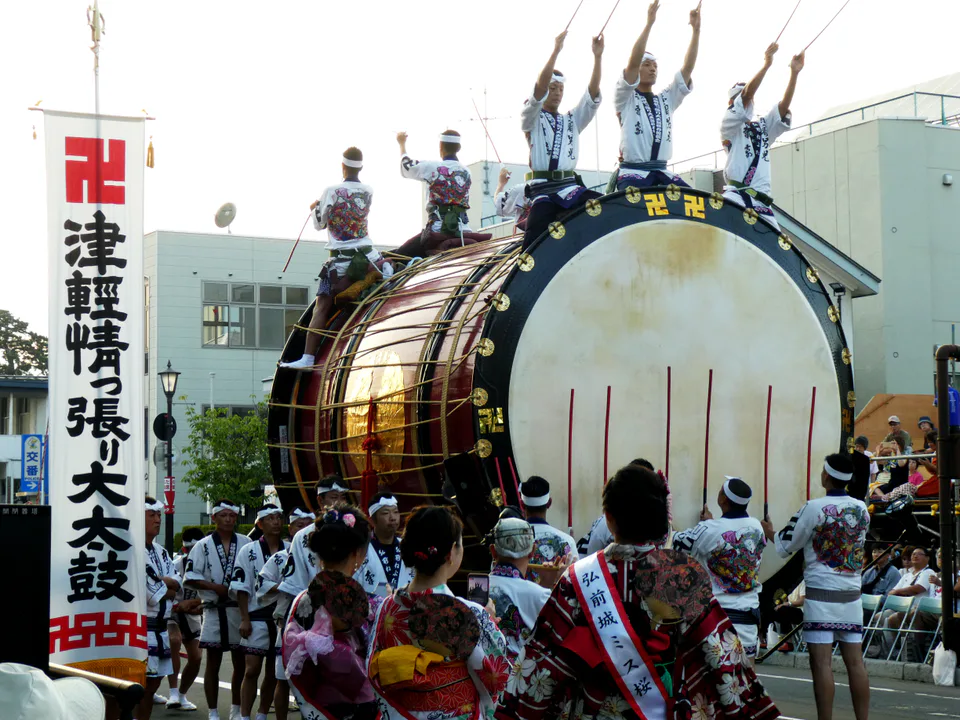
August 7 was a daytime finale, not a seventh night parade
The final-day Dotemachi procession began at 10:00. It solved a real travel problem for families, older visitors and travellers continuing elsewhere in the afternoon, but it gave up the signature illuminated-float contrast. If you only had one Hirosaki Neputa slot and could choose freely, a night procession remained the stronger first experience.
Travellers who stayed into the evening could add Nanukabi Okuri, which in 2026 ran on the Iwaki River bank with display, flowing and burning ceremonies. If your route continued south after Hirosaki, compare the next night with Morioka Sansa Odori free viewing or Sendai Tanabata 2026 before adding another festival just because it falls on the route.
Rain changes the risk, not the route logic
The official 2026 page said the festival could be postponed or cancelled in rain, while general reserved seating was uncovered and umbrellas or parasols were not permitted there. The practical response was a rain jacket and same-day official check, not automatically abandoning the city in the morning.
For wider weather disruption, use What to Do When It Rains in Japan. If Hirosaki is one specialist stop in a first trip, the 10-, 12- or 14-day Japan itinerary helps judge whether the extra hotel night is worth it.
Final verdict
For a future first visit, use a Dotemachi night as the default. Move to the Station Area when rail convenience or full-float photography matters more, and choose the daytime finale only when schedule or stamina makes it the better fit. If the whole trip is still open, use How to Plan a Trip to Japan before locking several specialist festival nights into the same week.
More to read
Nishimonai Bon Odori Arrival Time · Omagari Fireworks Transport Guide
Ghibli Park Tickets 2026: Before You Buy Standard, Name the Buildings You Refuse to Miss
Tokyo Yosakoi 2026: October 10 or 11? Use the Published Schedule Without Overplanning
Yokohama Anpanman Children's Museum 2026: Age 1 Pays the Adult Price — Check the Free 1F First
40 Best Things to Do in Tokyo in 2026 — What’s Actually Worth Your Time by Area
SHIBUYA SKY Tickets 2026: Is Sunset Worth the Extra ¥700? Klook vs KKday vs Official
References
Hirosaki Tourism — official 2026 Hirosaki Neputa dates, routes, reserved seating and Nanukabi Okuri